Birds in flight photography: six frames from Manitoba
Birds in flight photography is where a fast shutter earns its keep. The bird is moving, the light is changing, and you get a second or two to find it, lock on, and hold it in the frame. However, when it works, you get the wing detail and the eye in one clean frame, with nothing else to compete.
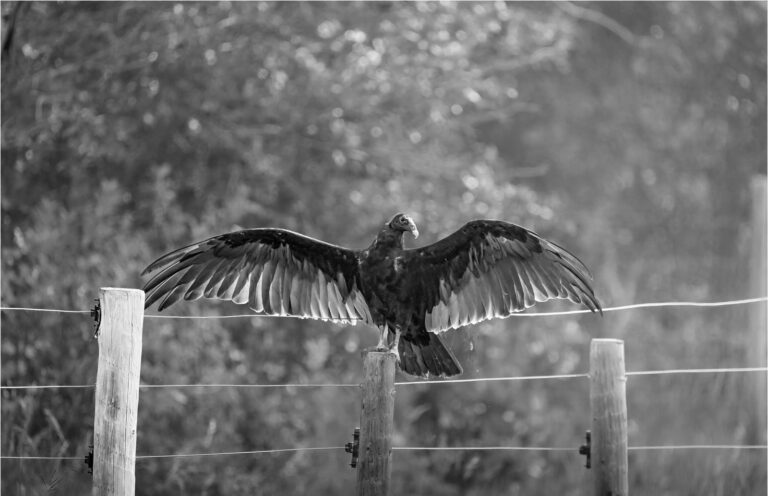
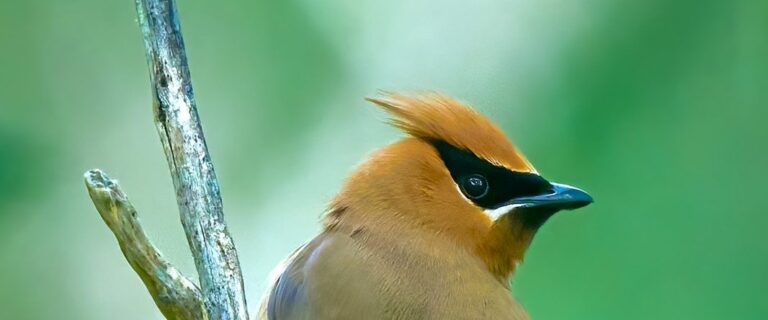
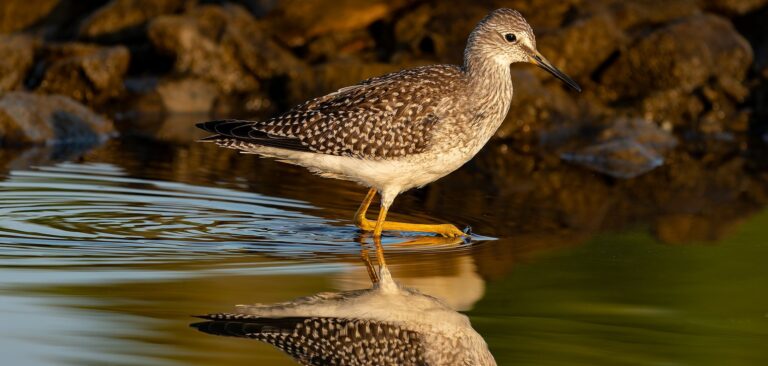
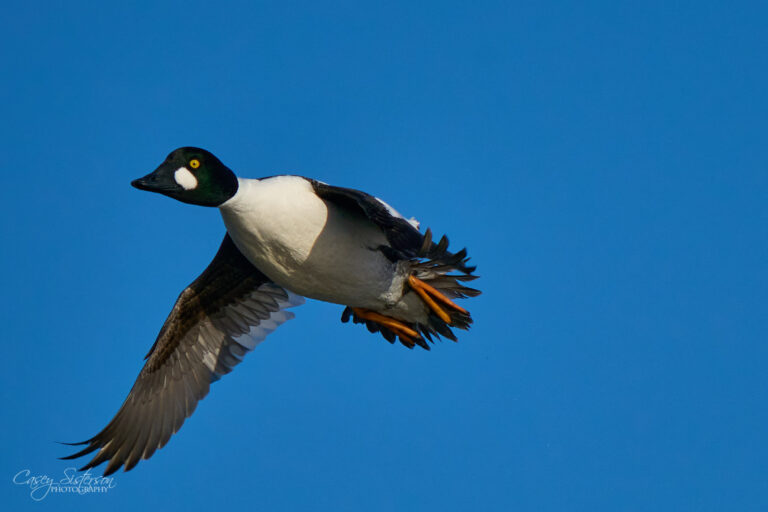
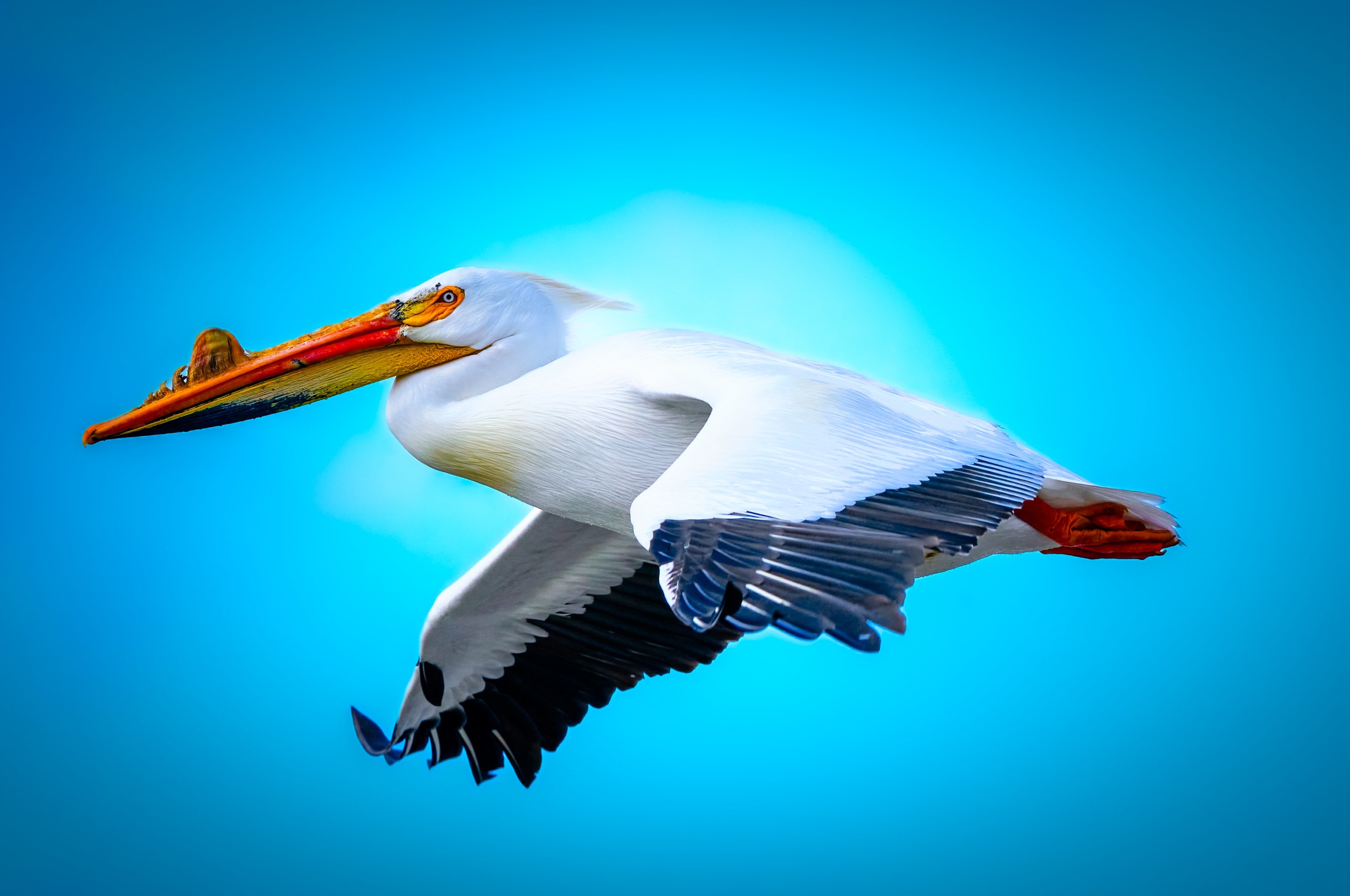
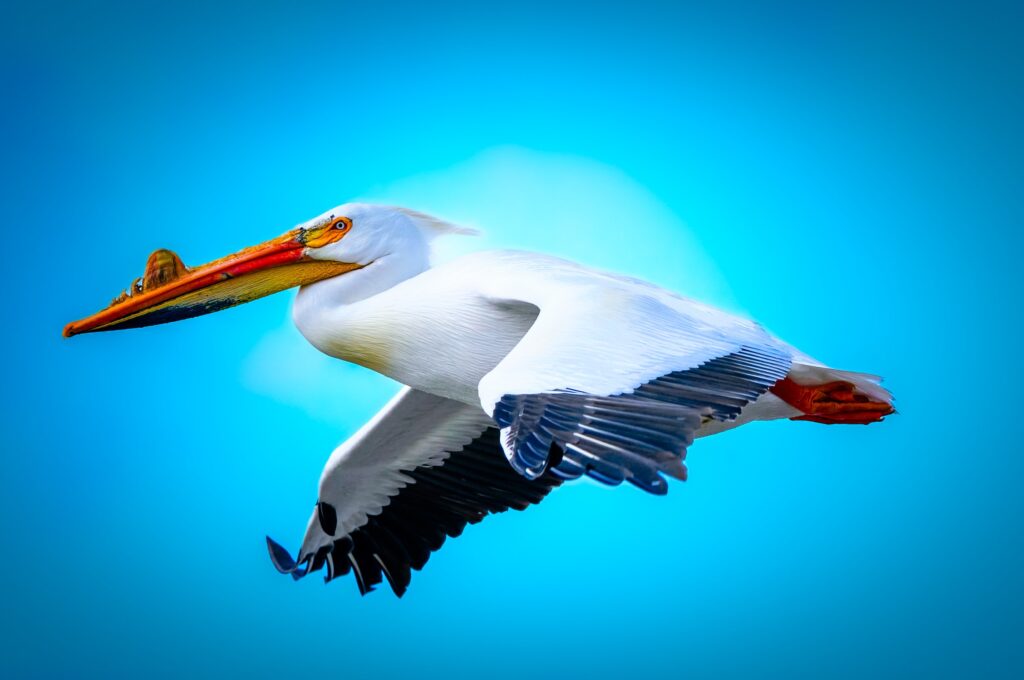
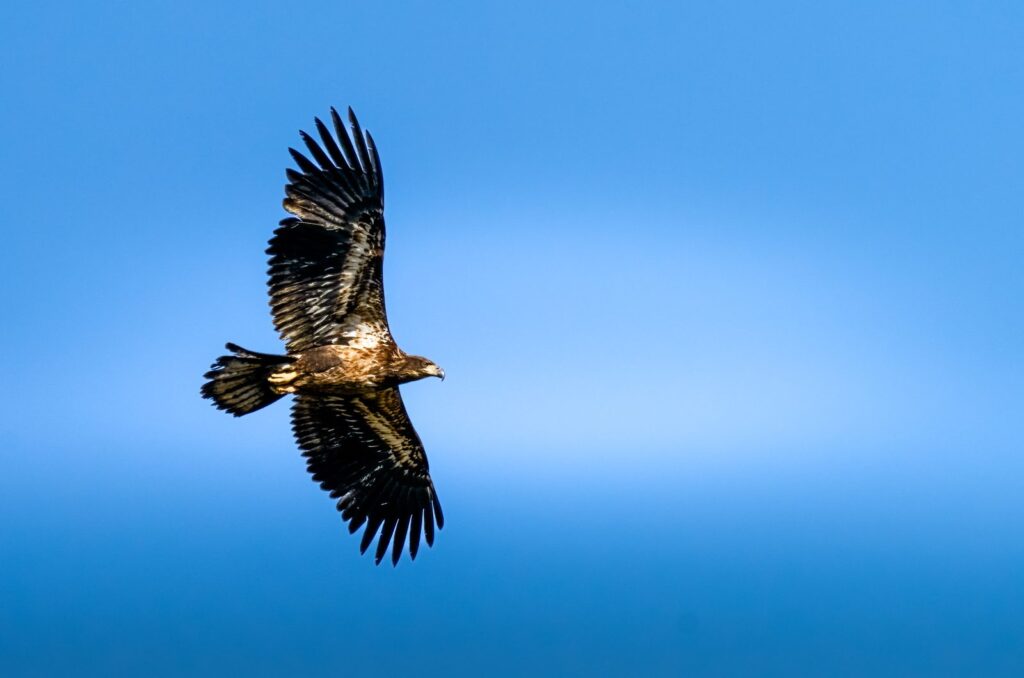
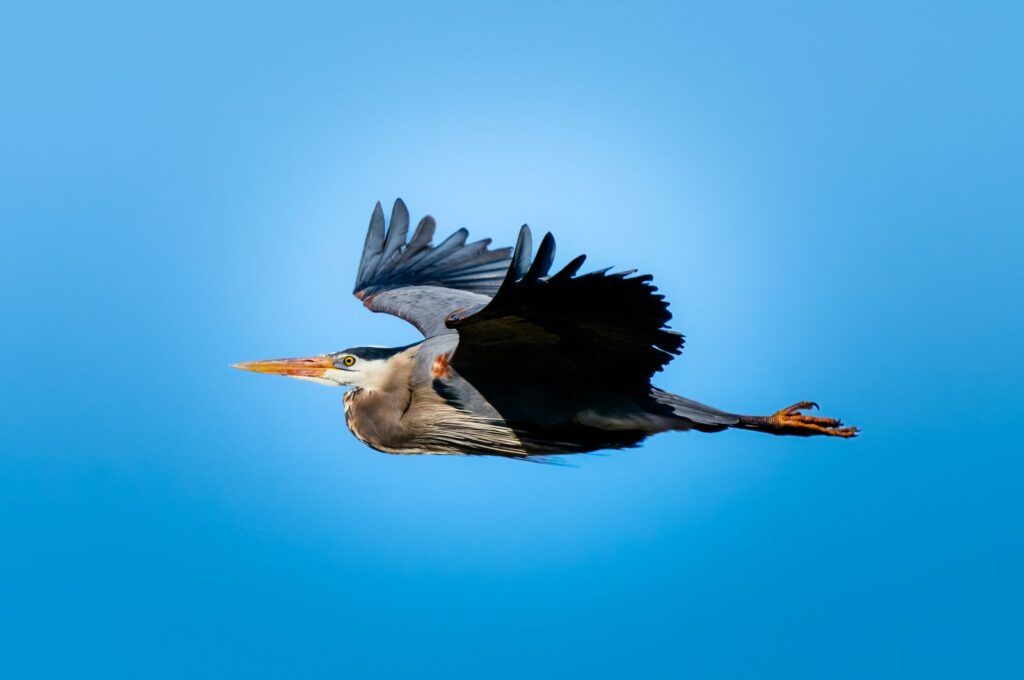
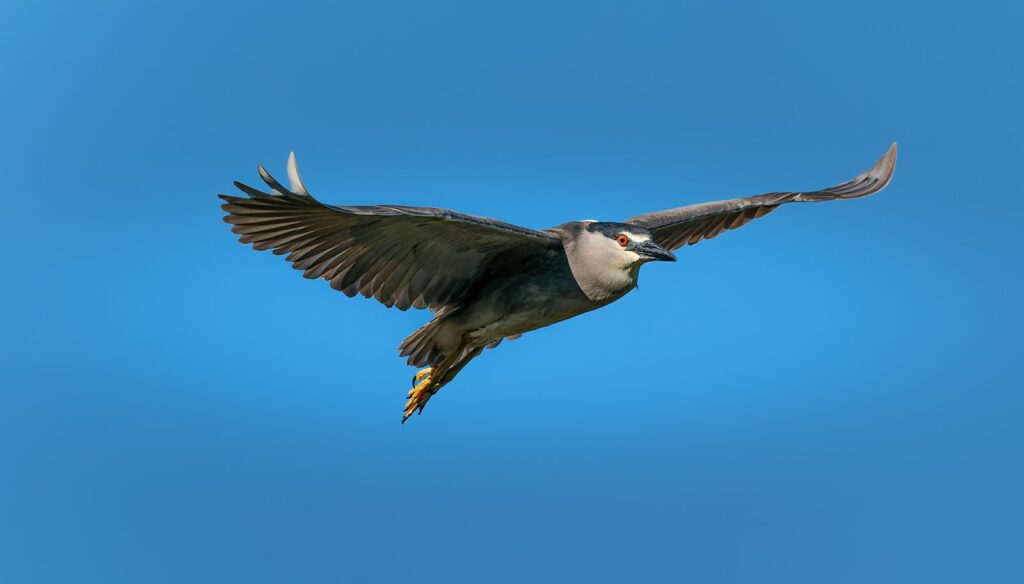
Here are six flight frames from Manitoba skies and wetlands, from an American white pelican gliding past to a black-crowned night heron against a clear blue sky. Every one was shot at 1/2000 of a second or faster, so the wings stay sharp.
Birds in flight photography, one frame at a time
The magic of flight
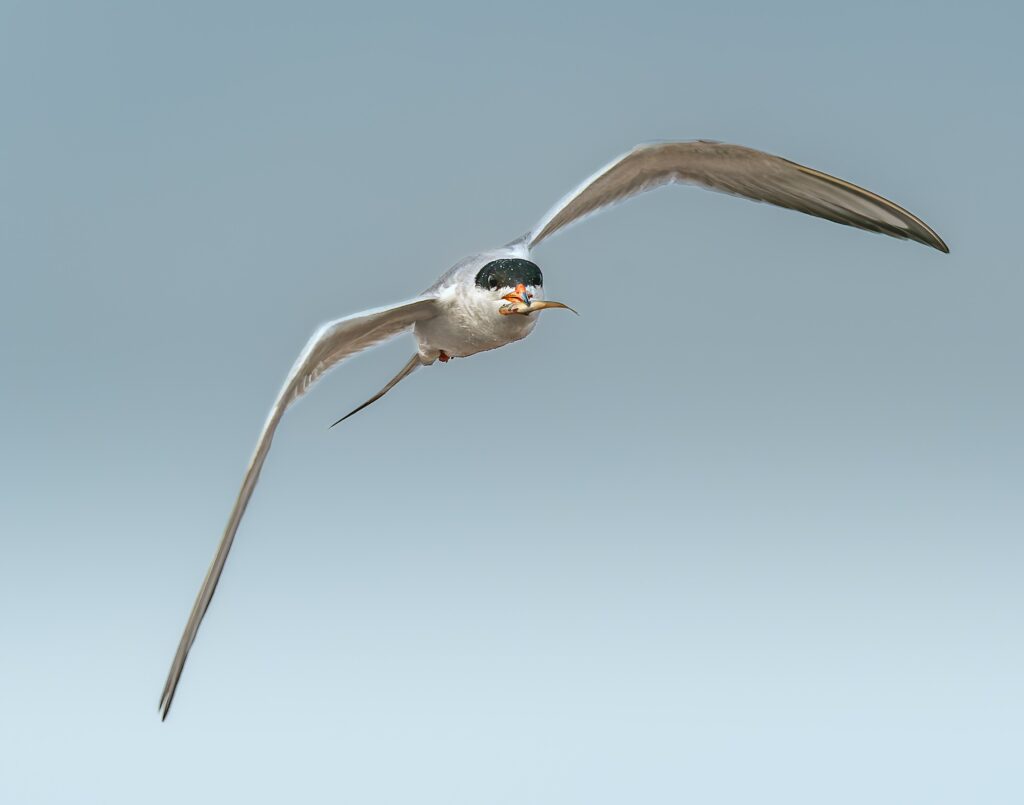
I am always amazed by the magic of flight, and by how good birds are at it. For example, a heron lifts off with a few slow wingbeats, a pelican rides the air as if gravity were an afterthought, and a tern hangs on the breeze before folding into a dive. None of it looks like effort. Yet every wing, tail, and feather is adjusting from one moment to the next.
That is a lot of what keeps me out with a long lens. Because I can spend an hour waiting for a single pass overhead, I am reminded when it finally comes that I am only watching. The bird is doing the hard part, and doing it better than any machine I have ever pointed a camera at.
How to get started with birds in flight photography
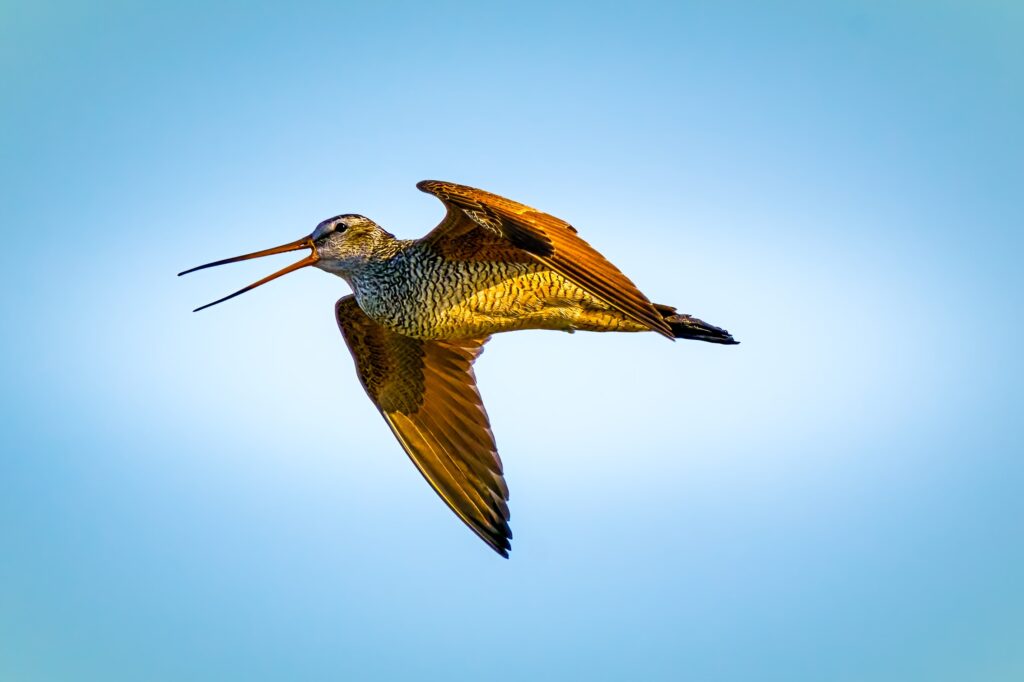
Shutter speed does most of the work. First, keep it fast enough to freeze the wings, and let the ISO rise as high as it needs to. After that, it comes down to tracking: start on the bird early, keep it in the frame as it moves, and let the camera do the rest. Also, a clean sky or a plain stretch of water behind the bird helps the autofocus stay locked.
The settings for every frame are listed under the photo, and they point the same way: fast shutter speeds, long focal lengths, and a clean sky behind the bird. If you are new to birds in flight photography, therefore, start with large, slow flyers like pelicans and herons. Then work your way up to terns and ducks as your tracking improves.
Every one of these species has its own page with more frames and a Manitoba sightings map. Start at the Manitoba birds hub, and for current sightings near you, check eBird or Birds Canada.