
Bald eagle
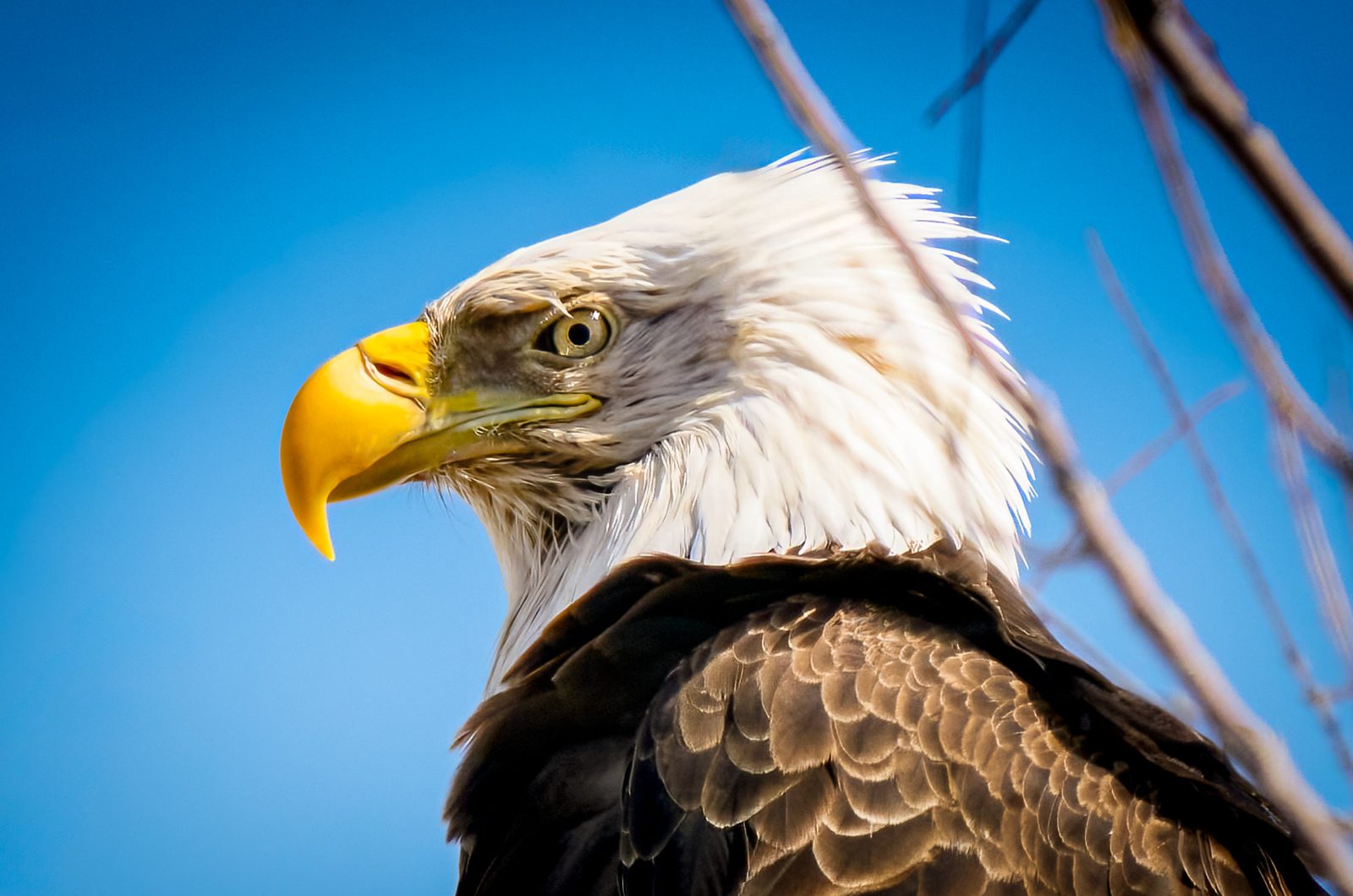
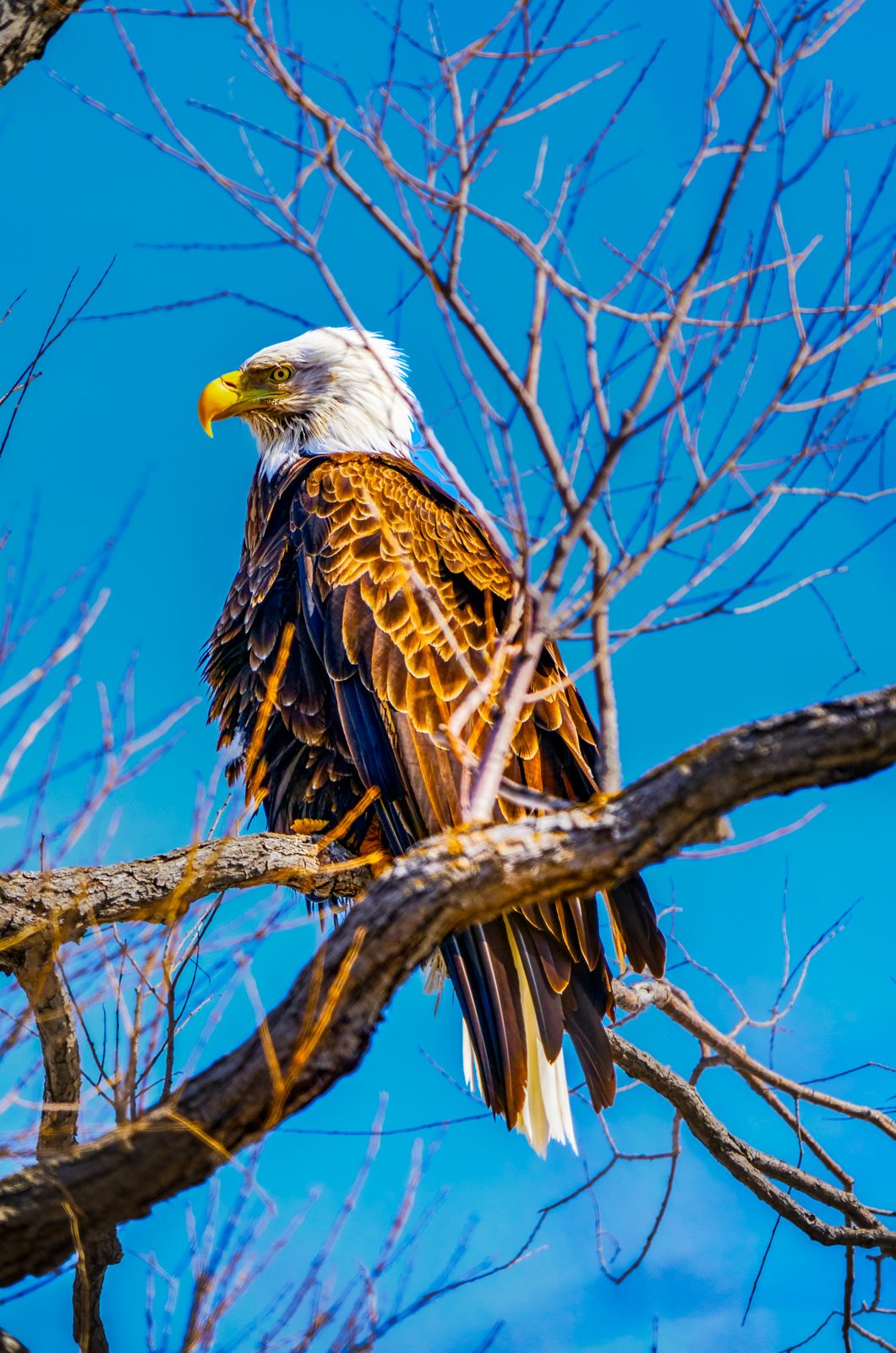
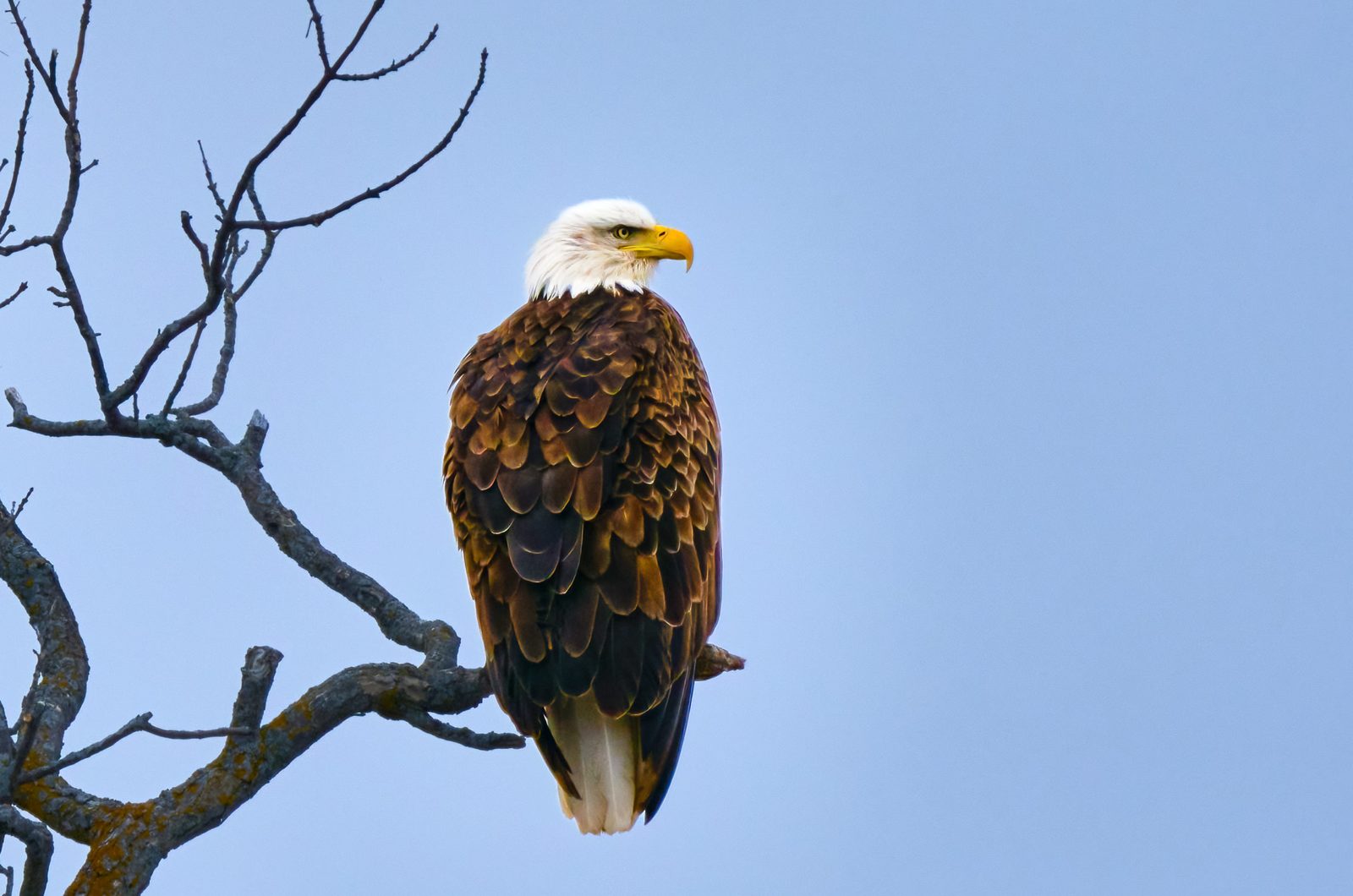
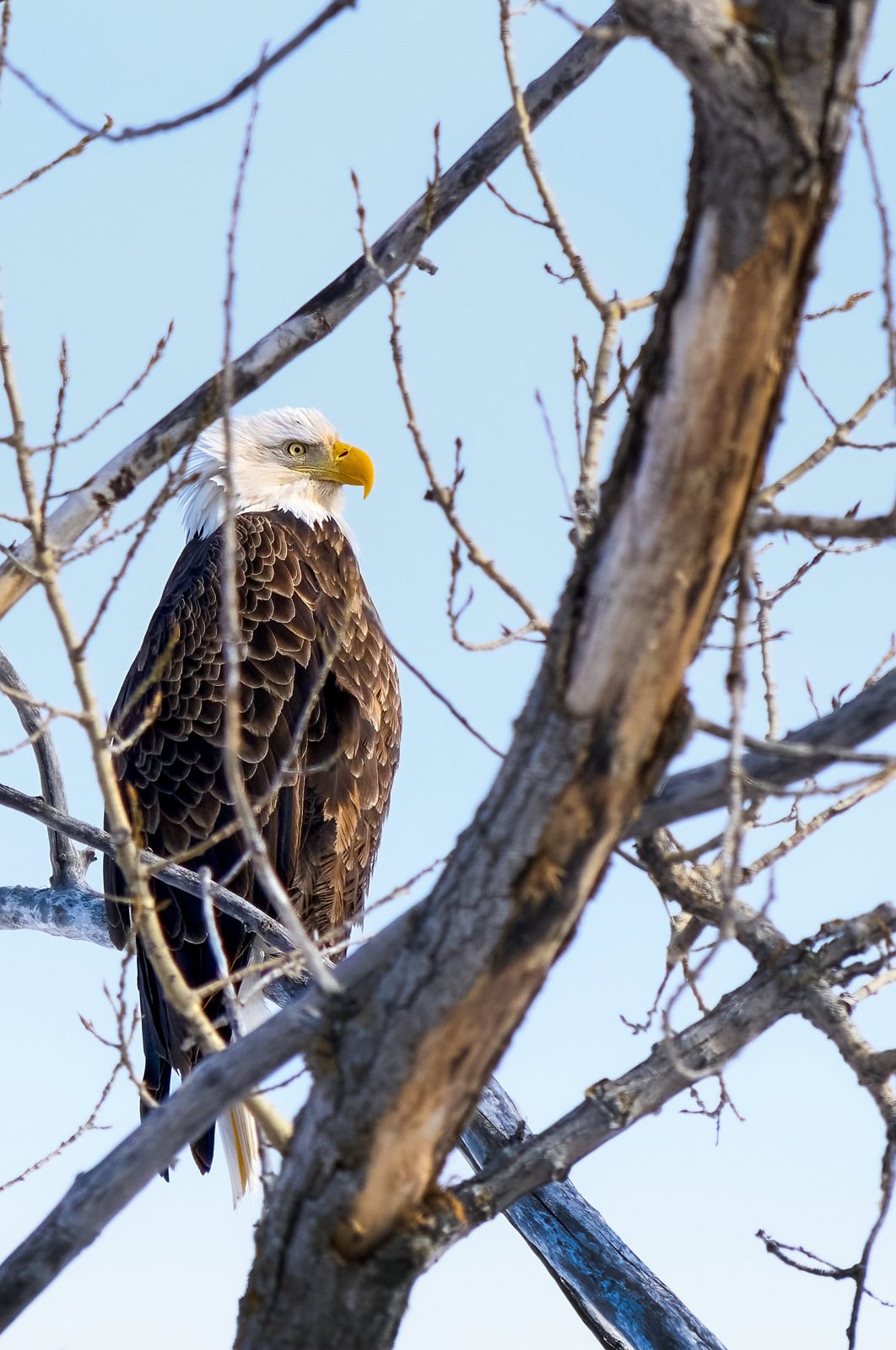
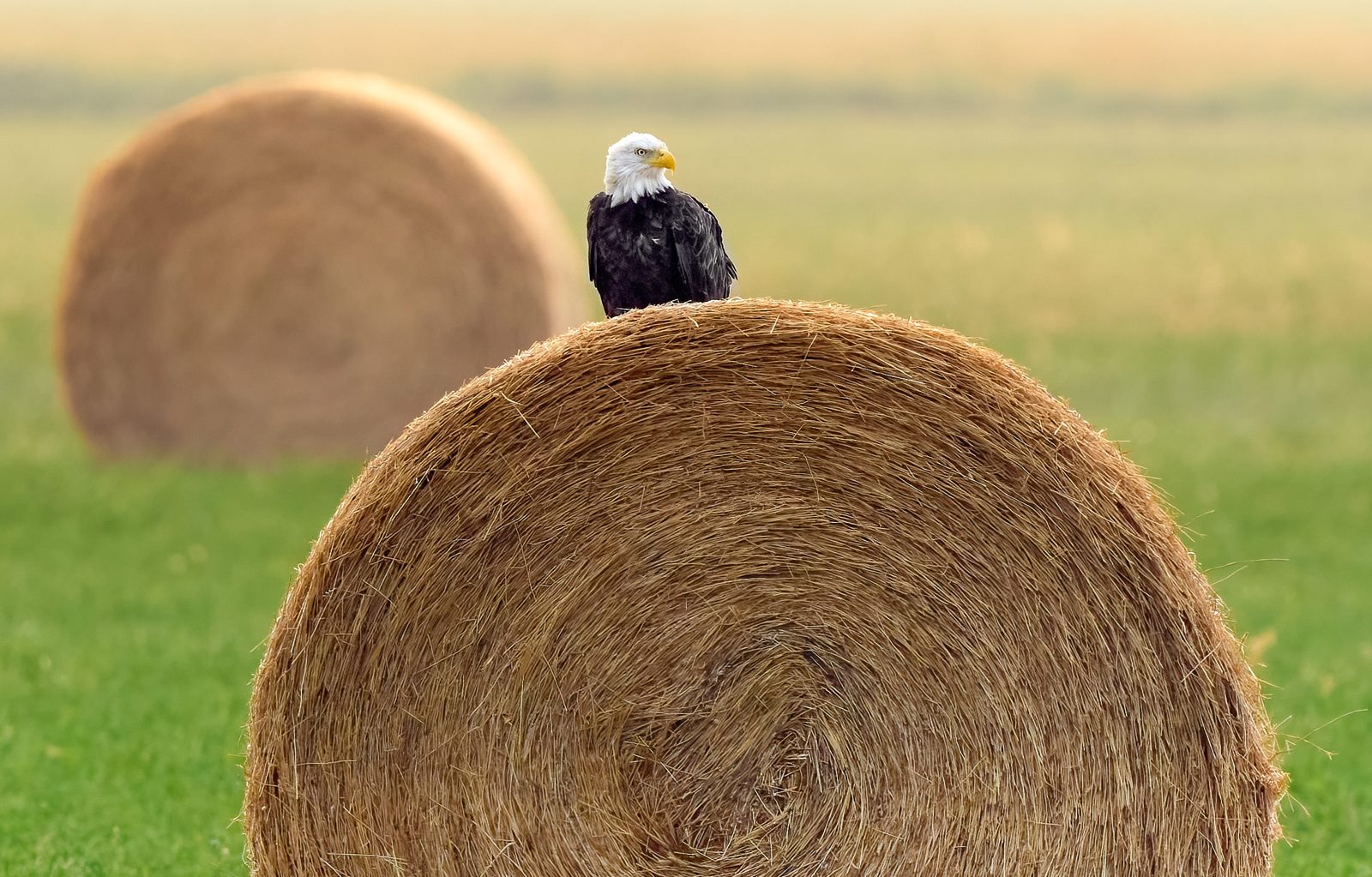
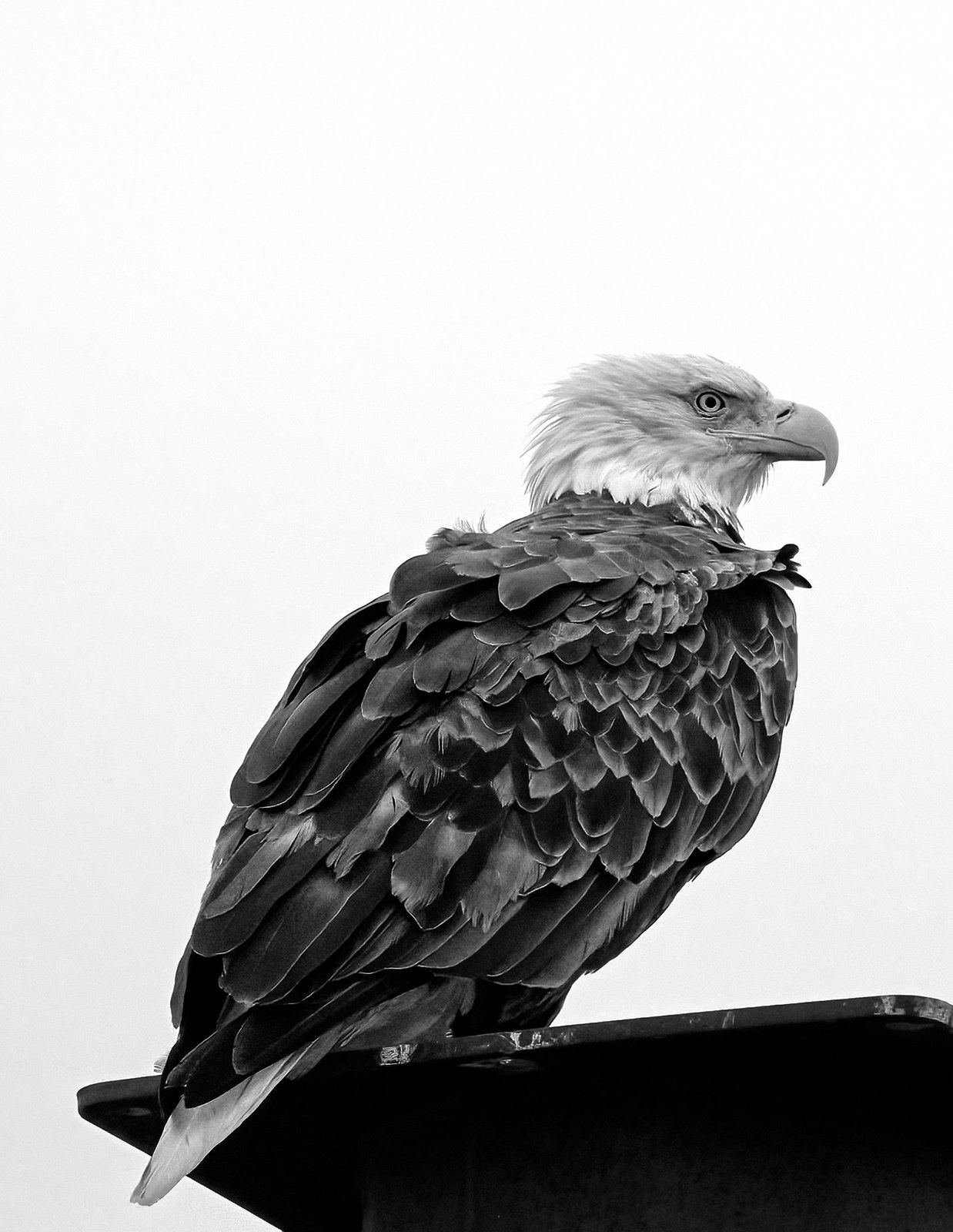
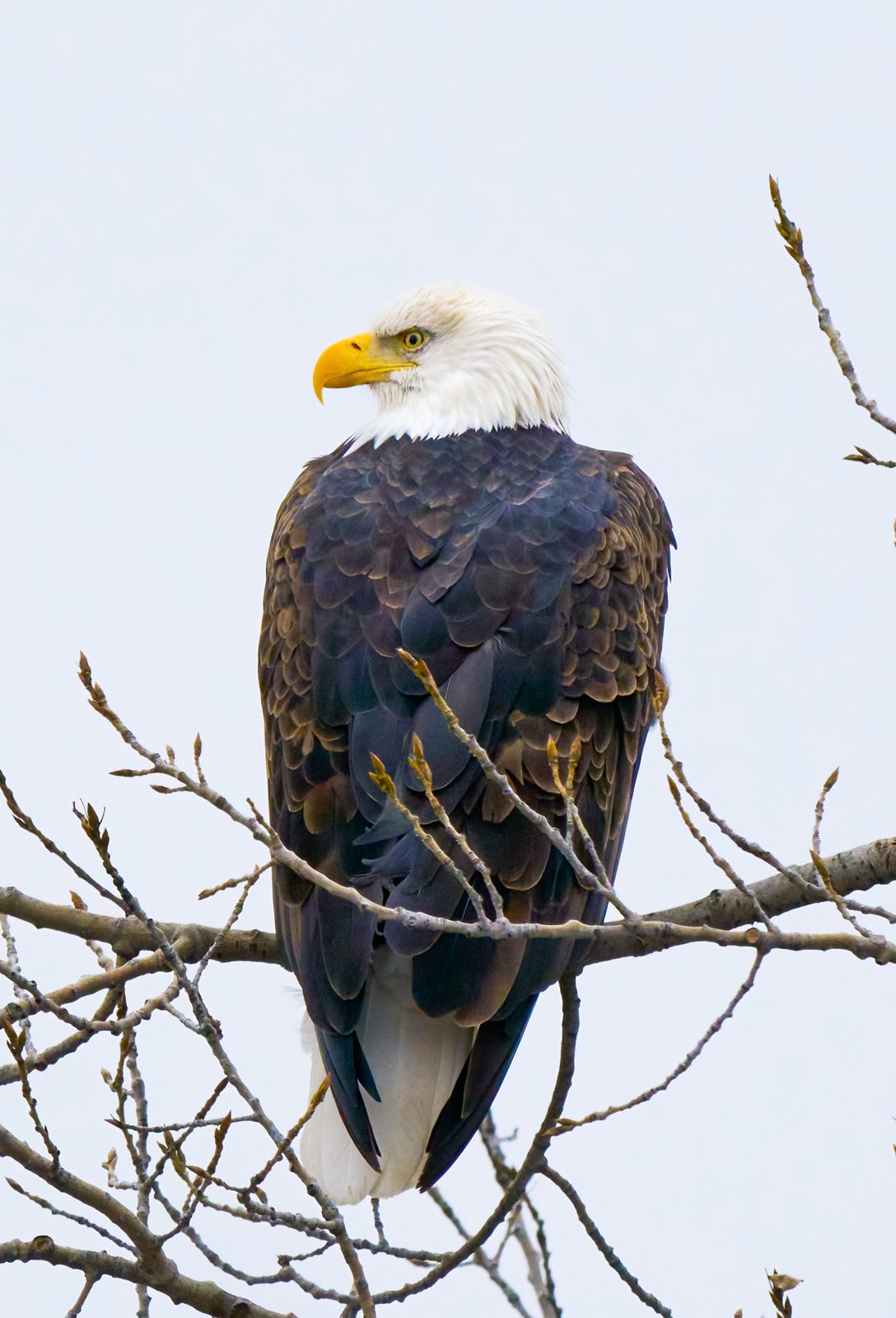
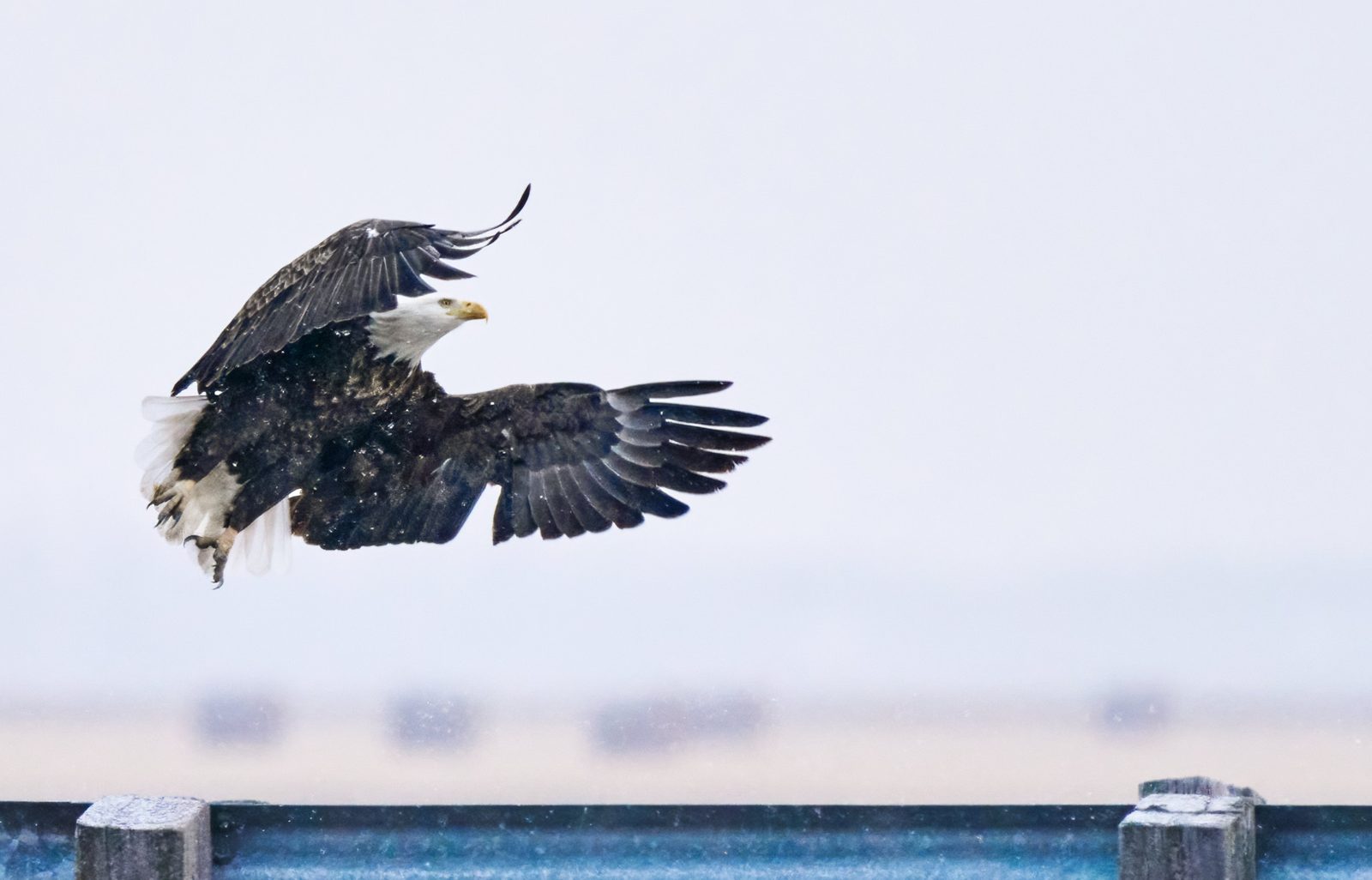
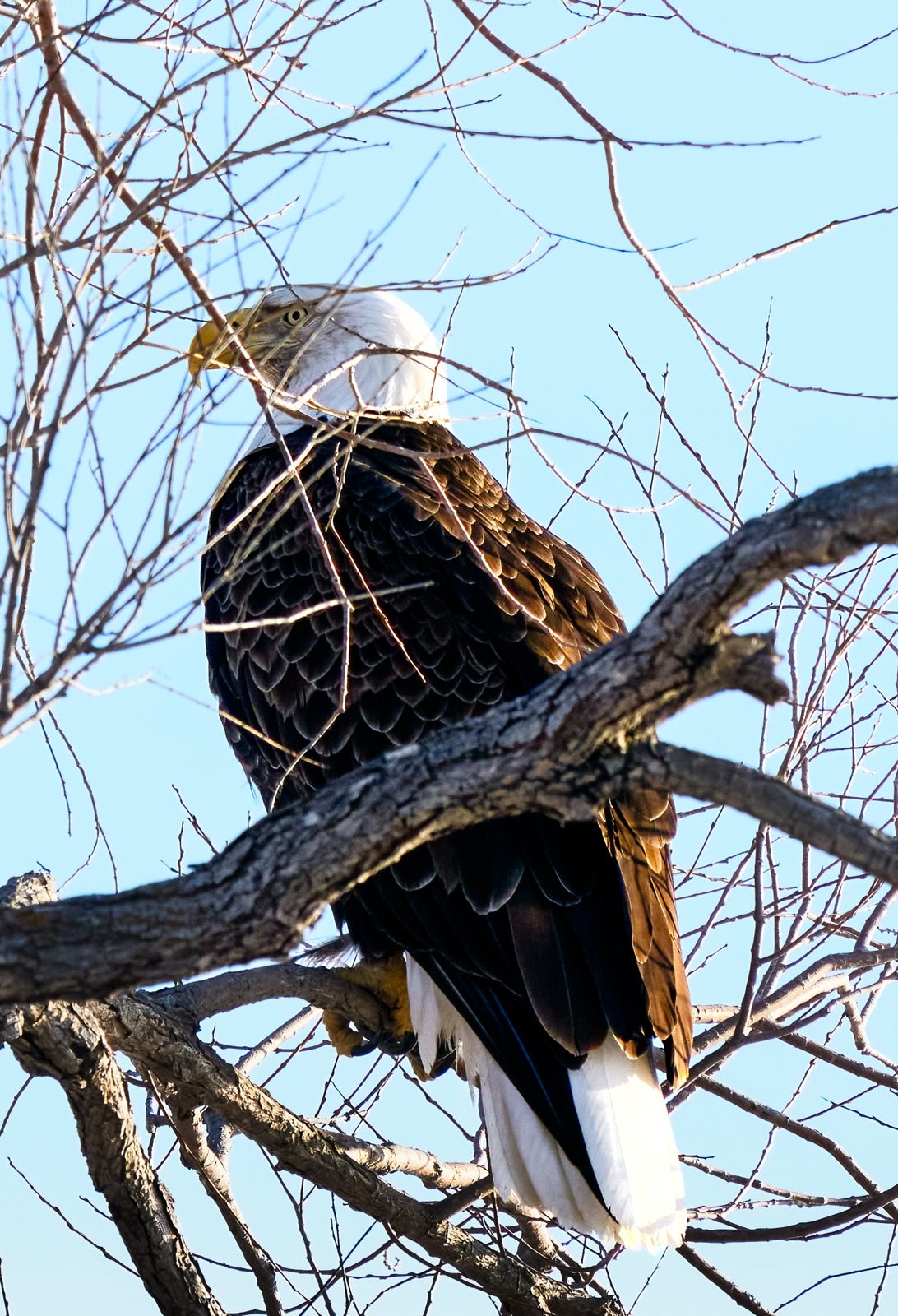
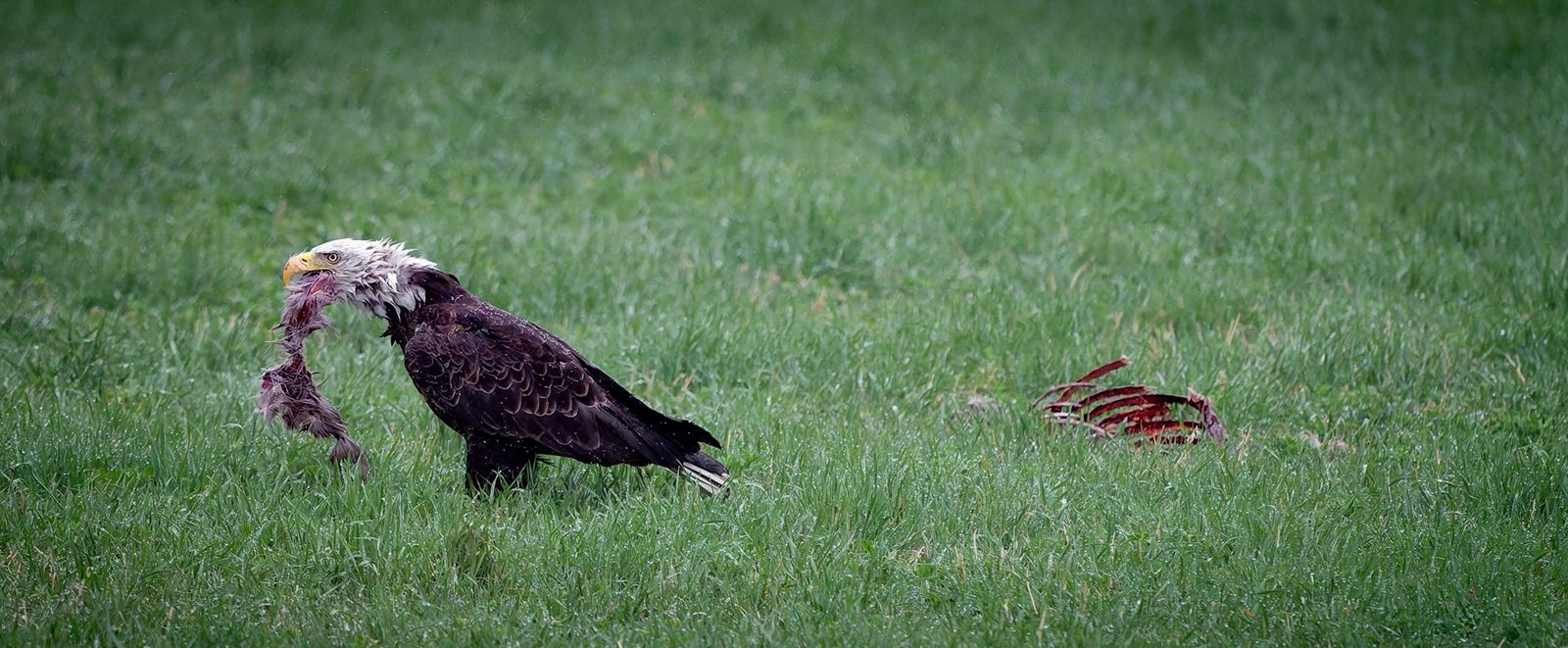
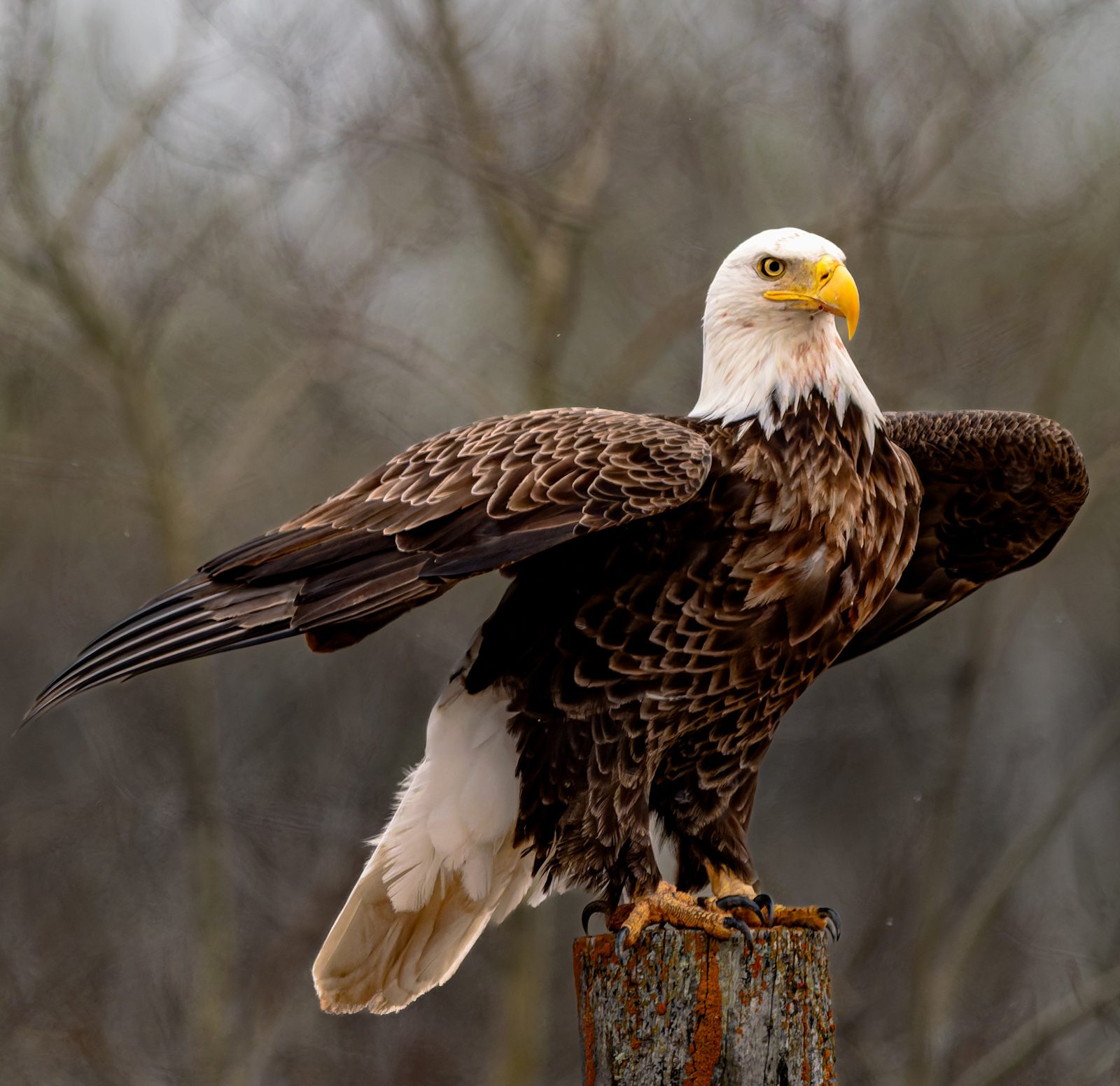
The first eagles of the year often show up in March, perched in bare cottonwoods along open stretches of river while the rest of the landscape is still locked in winter. A bald eagle on a branch looks like it has all the time in the world, but it is watching everything: the water, the sky, the neighbours. Many pairs come back to the same nest year after year, and spring is when you see them at their most active.
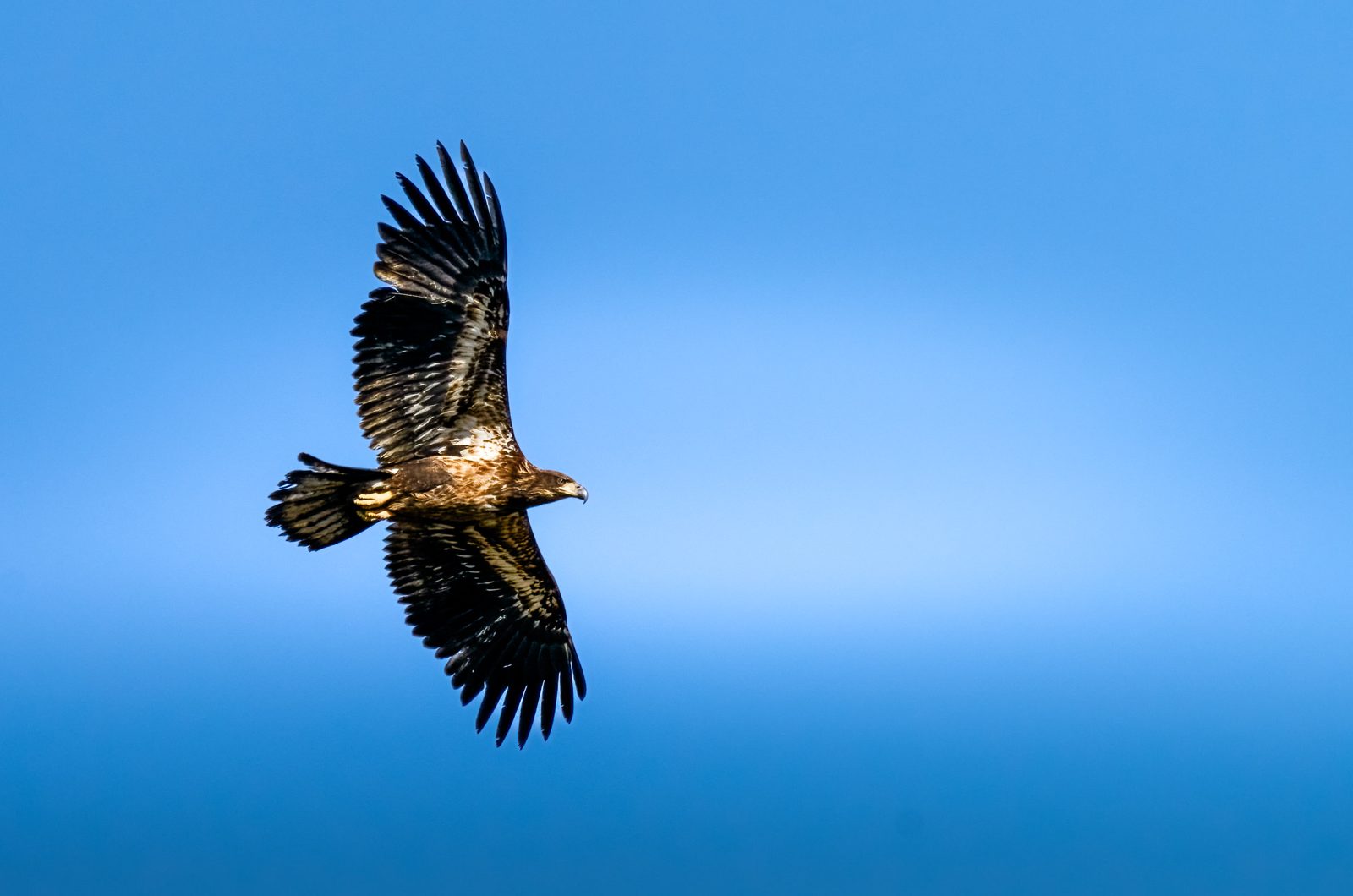
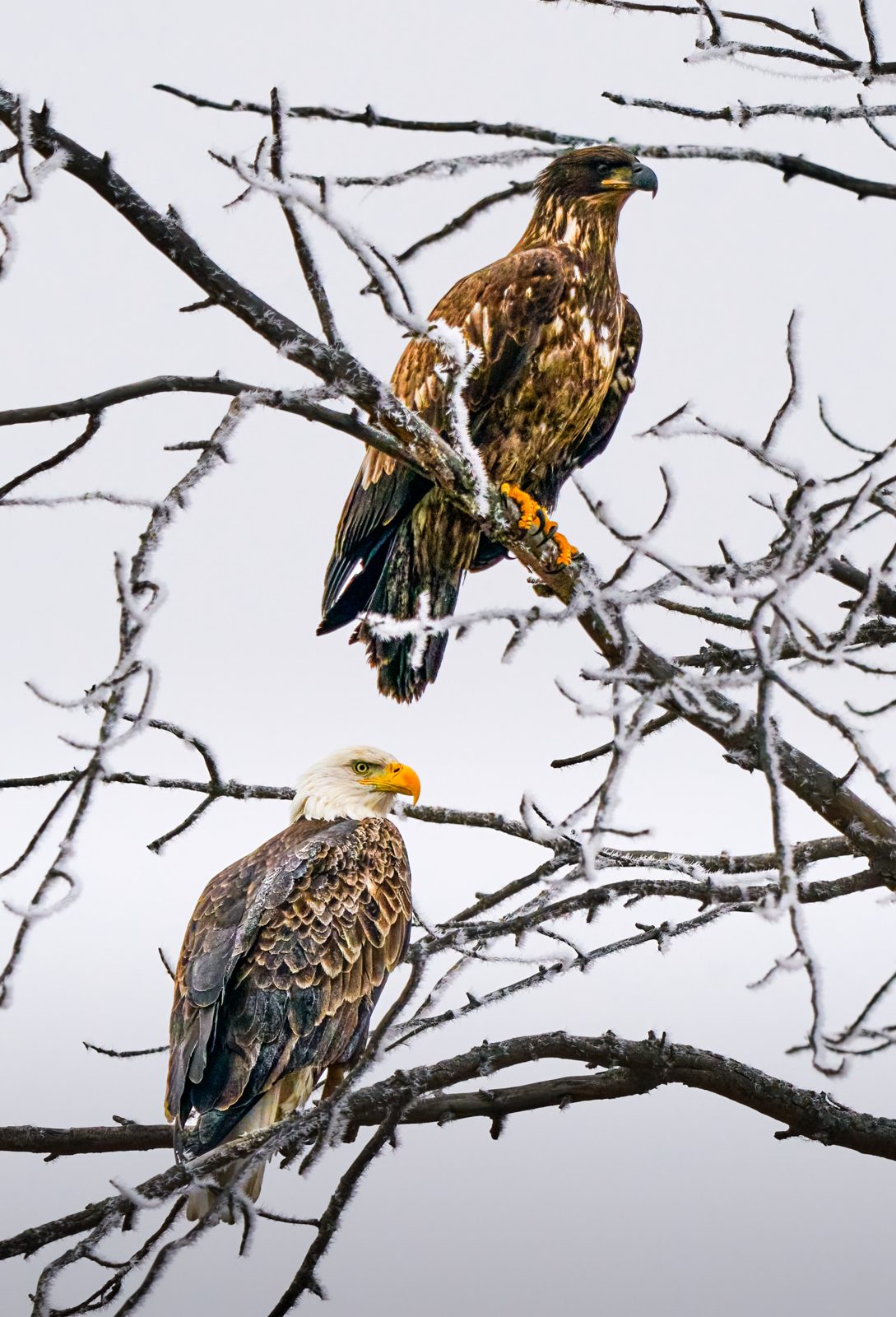
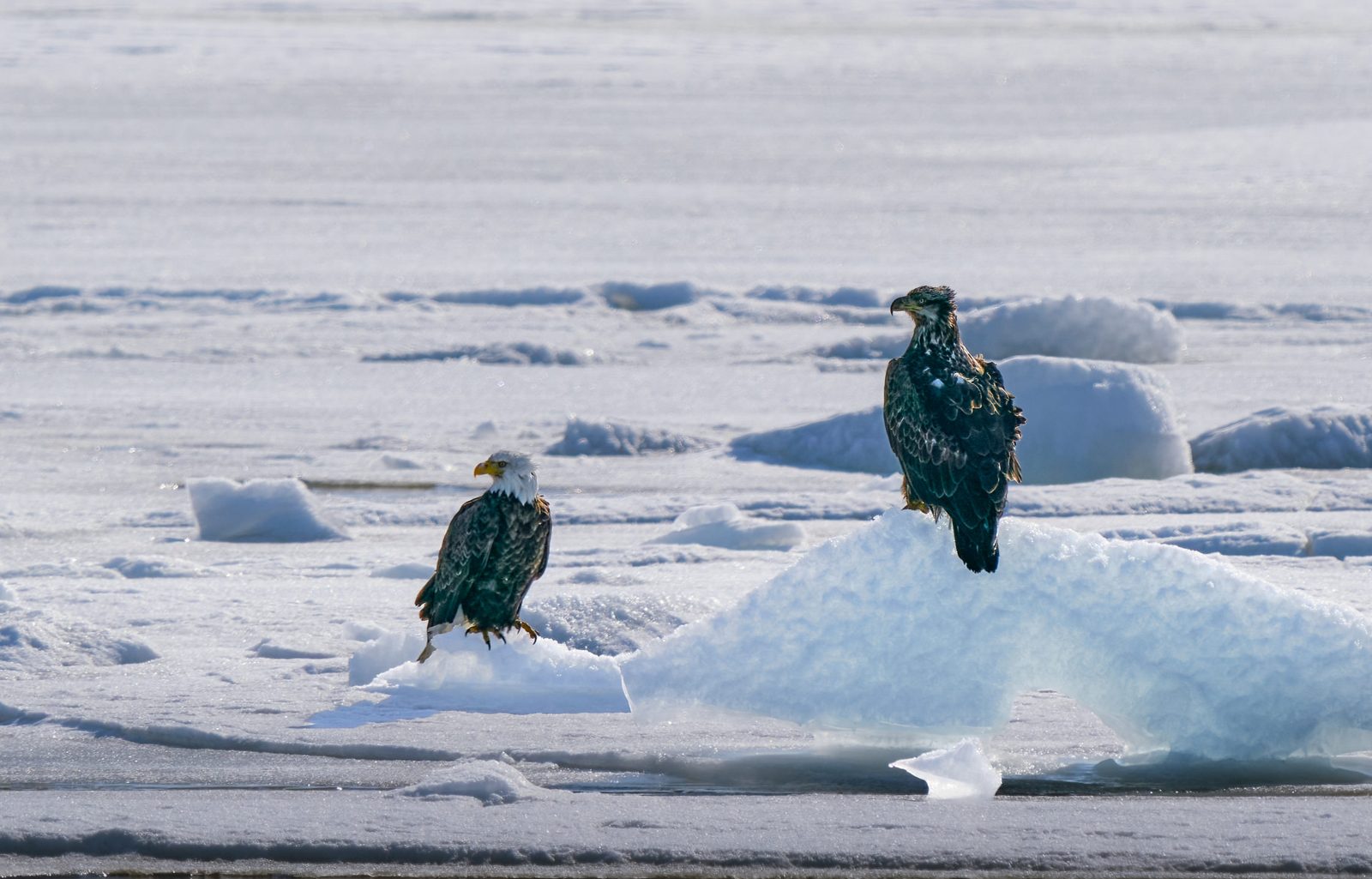
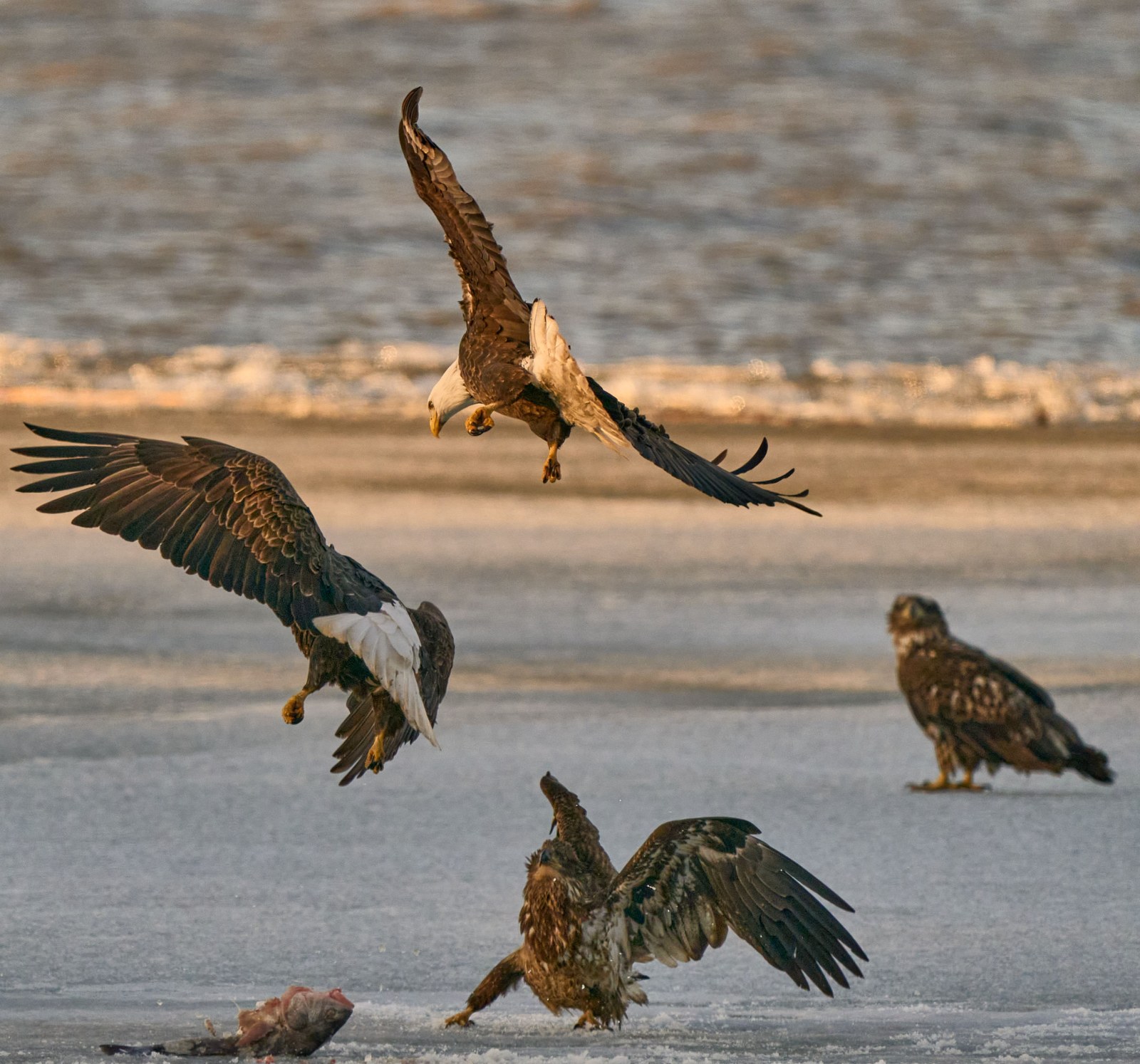
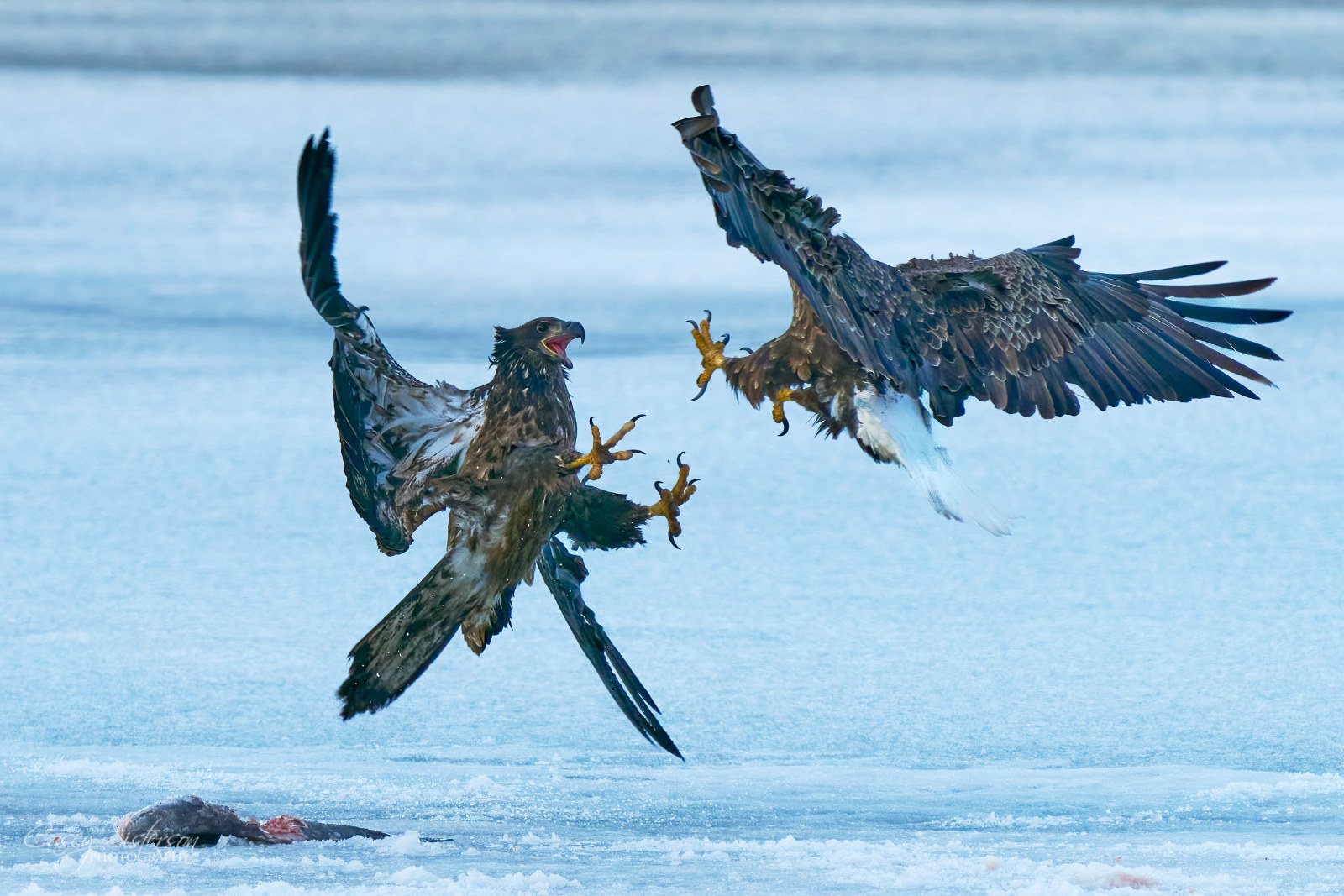
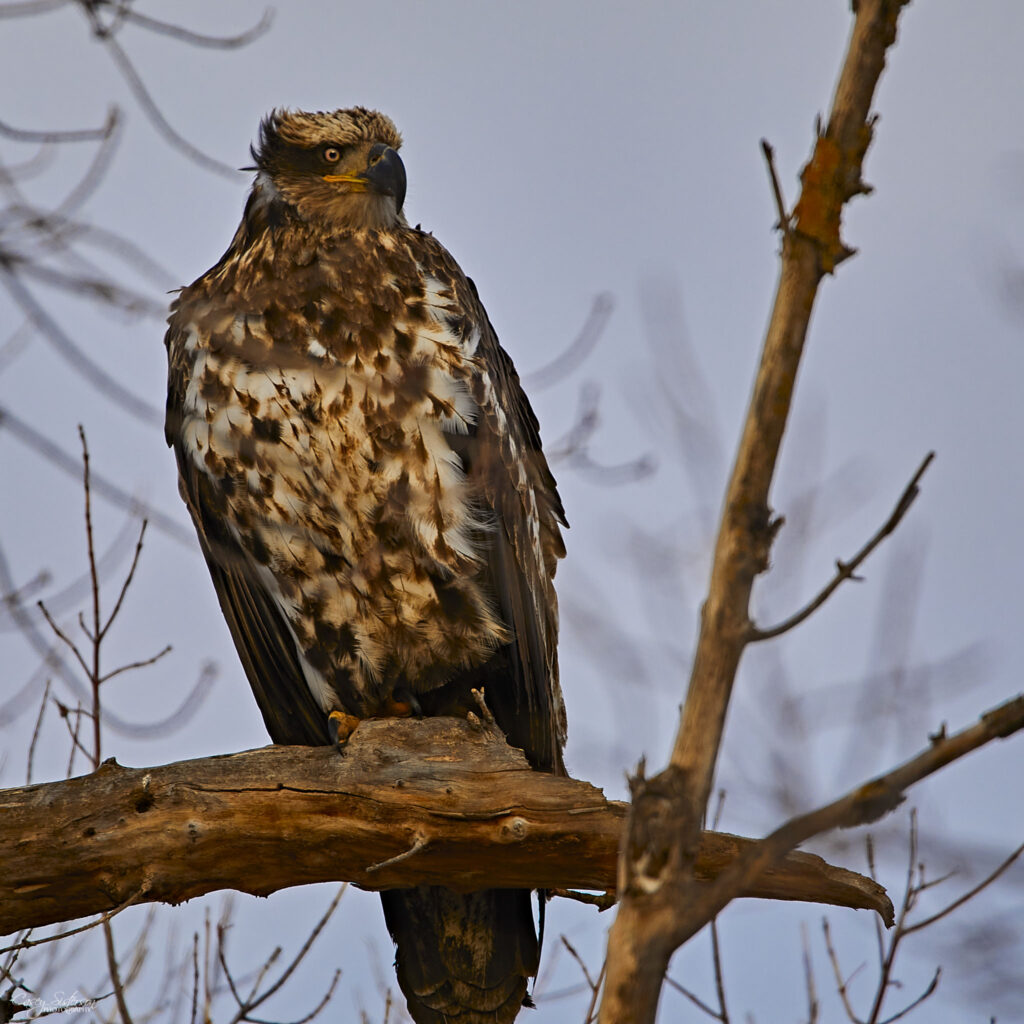
Bald eagles pair for life and keep adding to the same nest until it can weigh hundreds of kilograms. The famous white head and tail don’t appear until a bird is about four or five years old; young eagles are mottled brown and are often mistaken for a different species. Their eyesight is several times sharper than ours. Most leave Manitoba as the rivers freeze in late fall, though a few stay wherever open water and food hold out.
Want to learn more about the bald eagle and where it lives? Visit its page at All About Birds.
Field notes in photographs
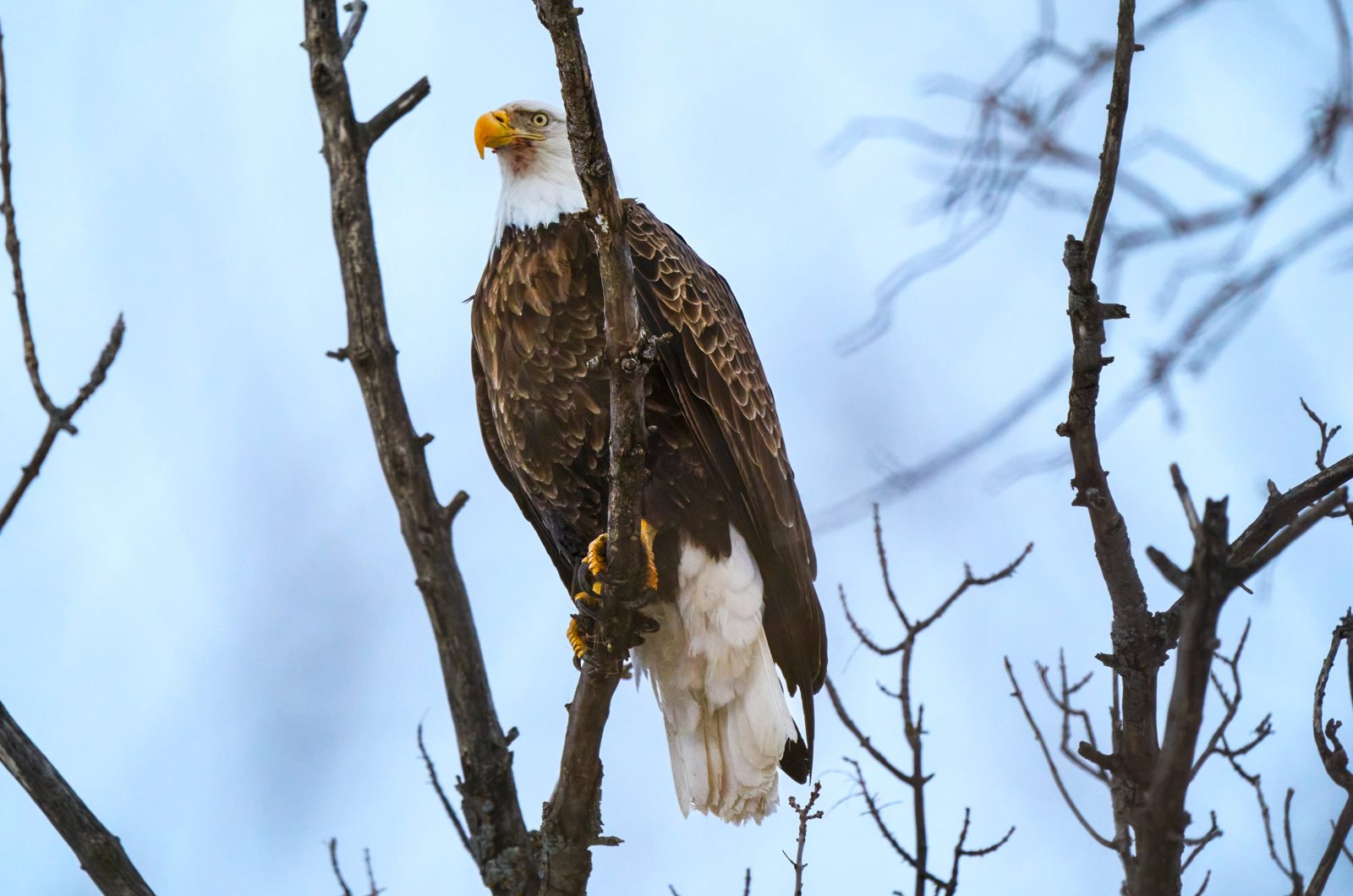
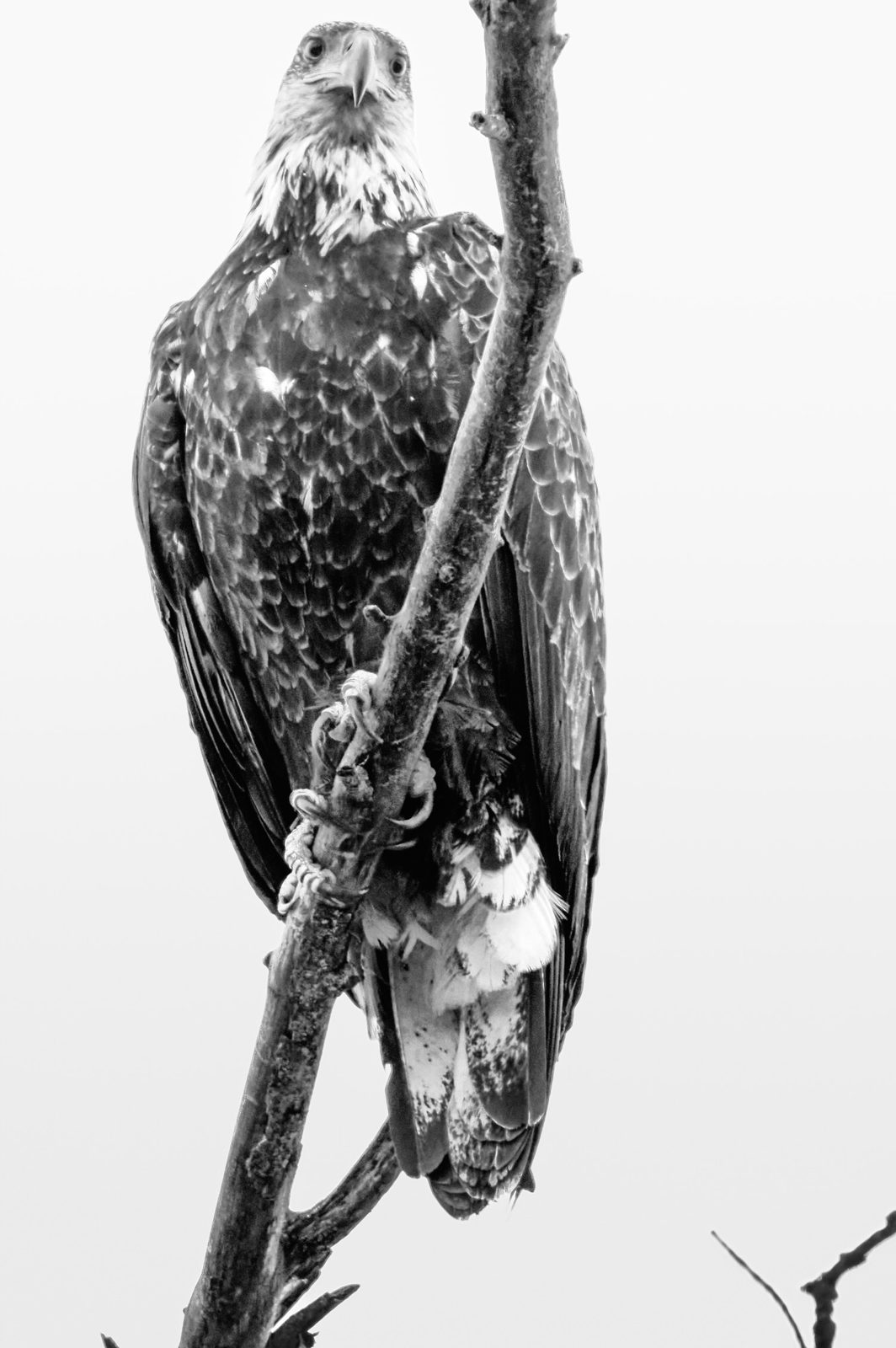
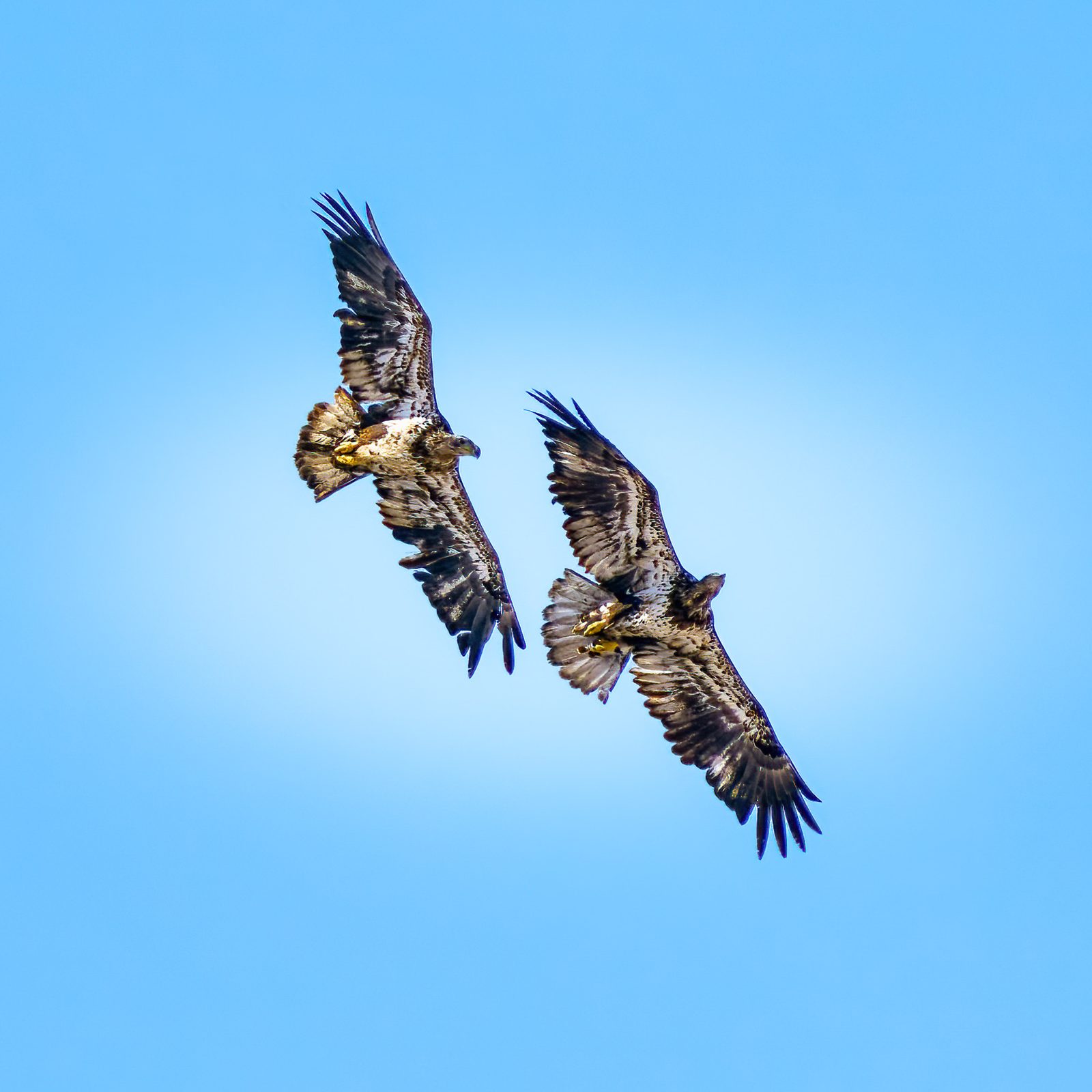
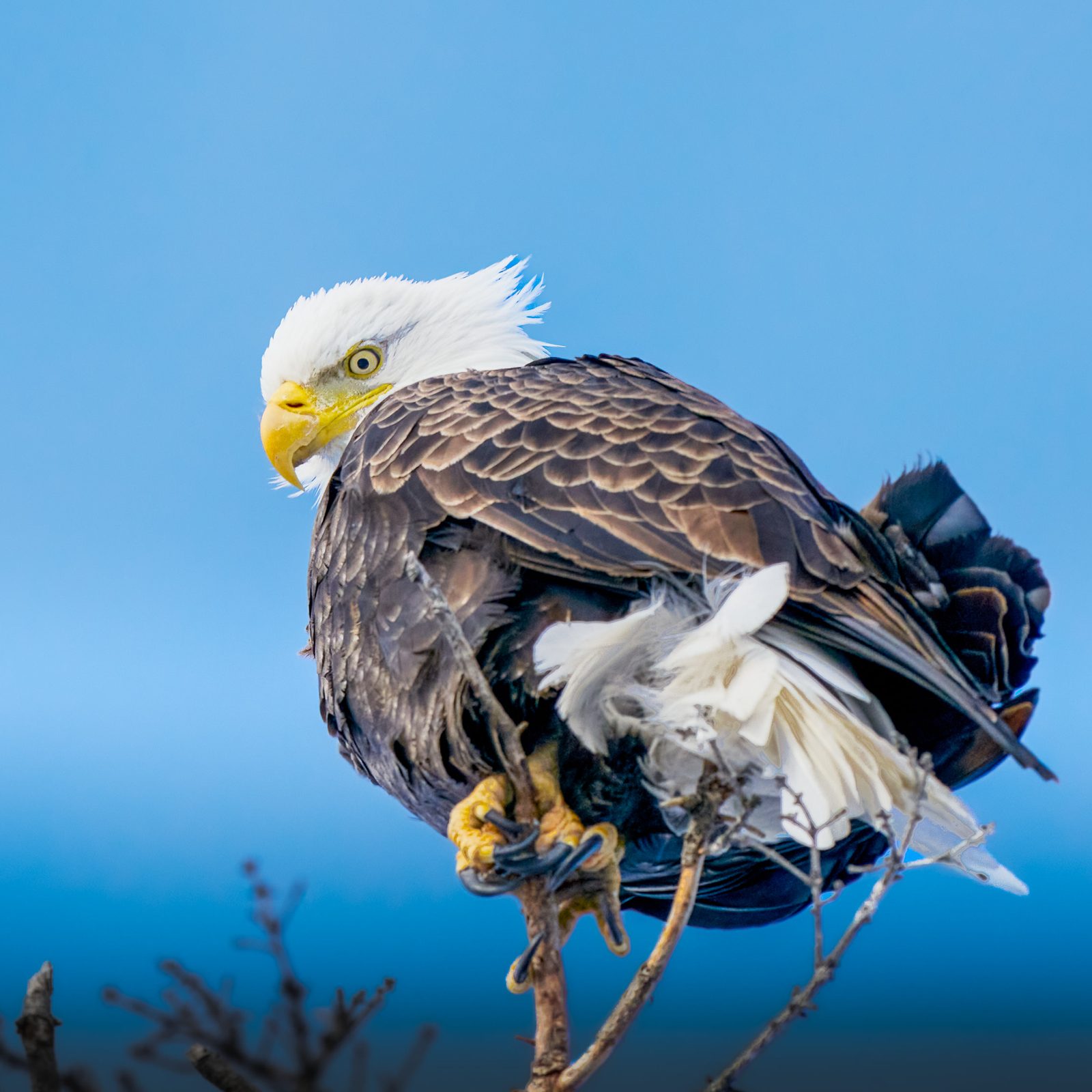
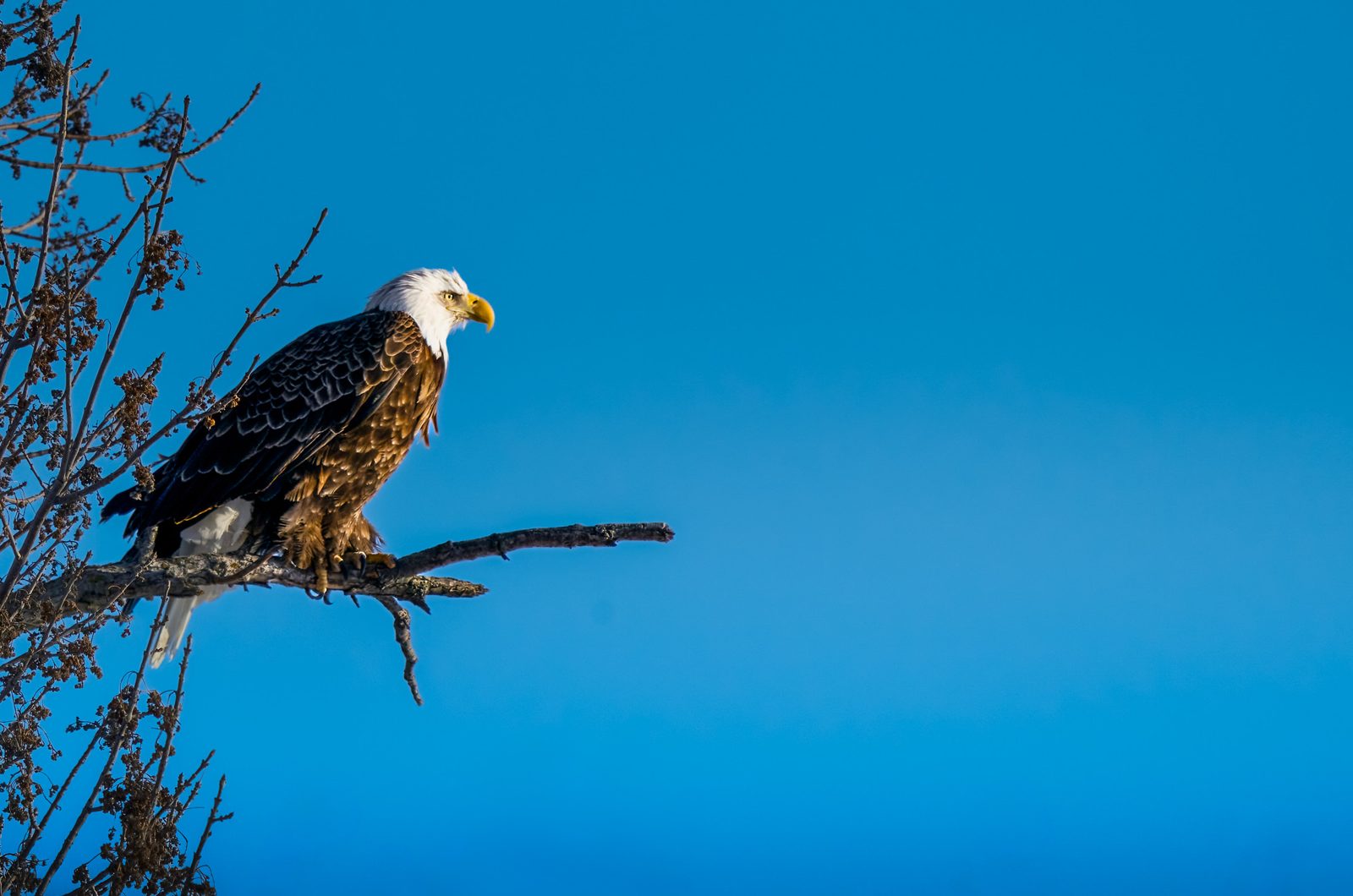
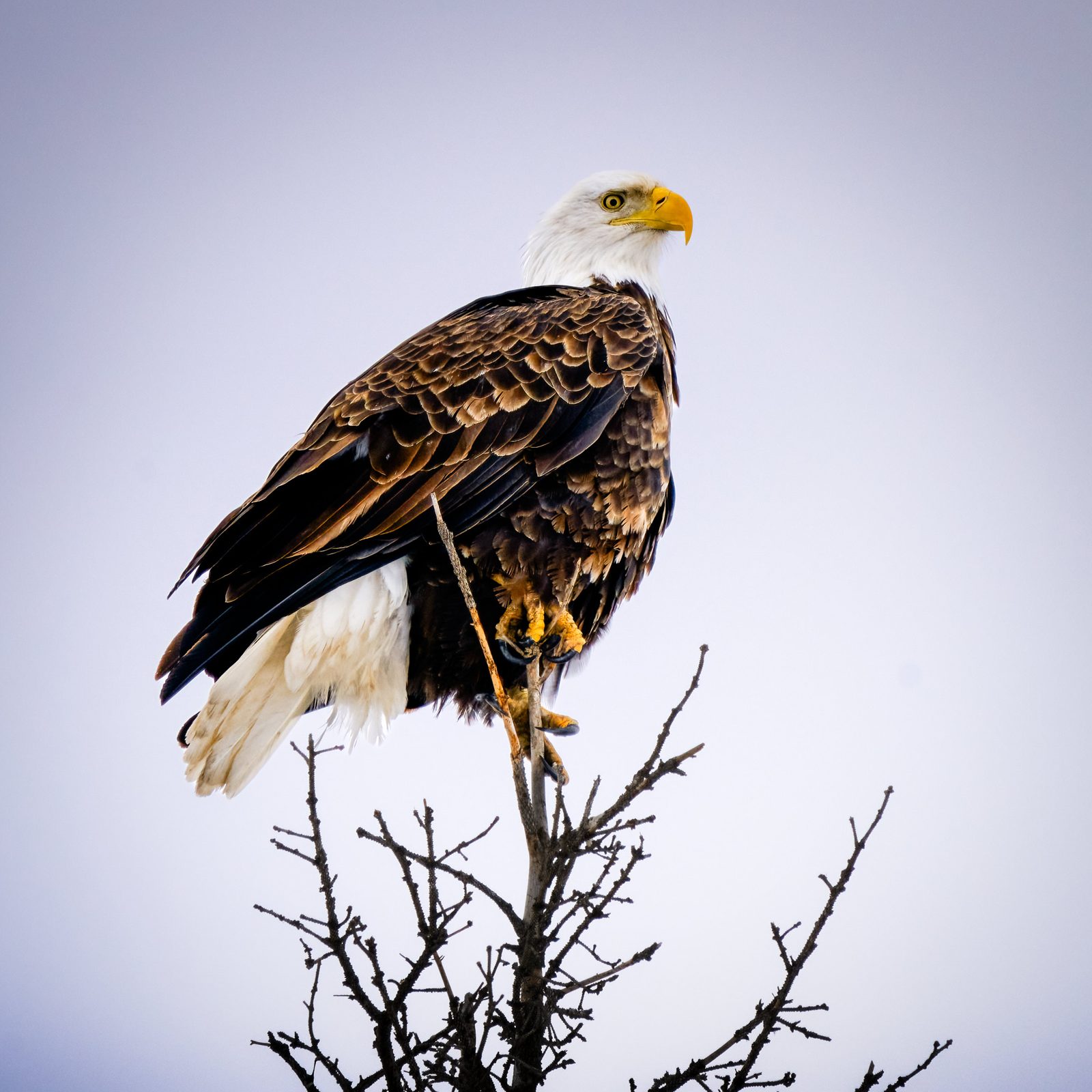
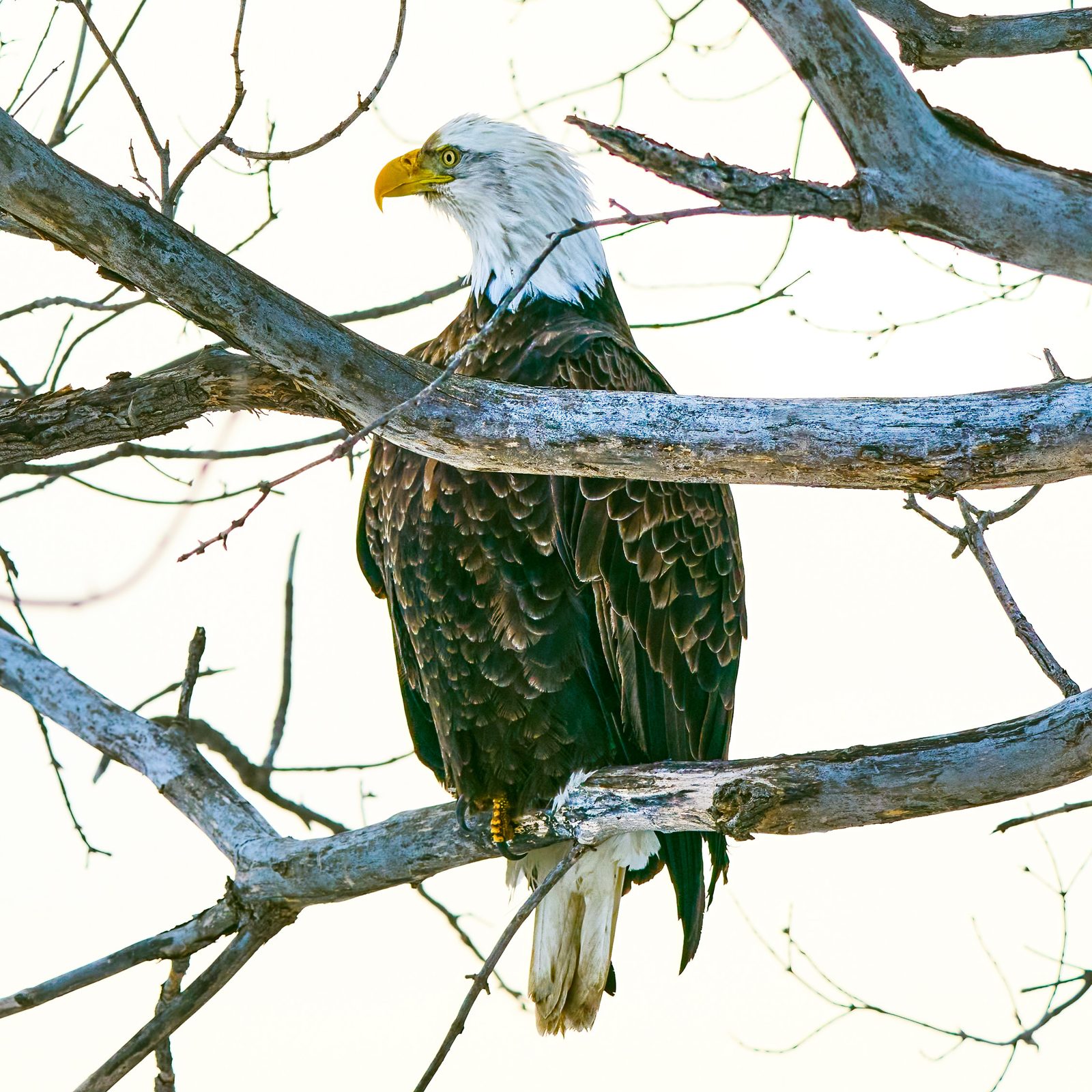
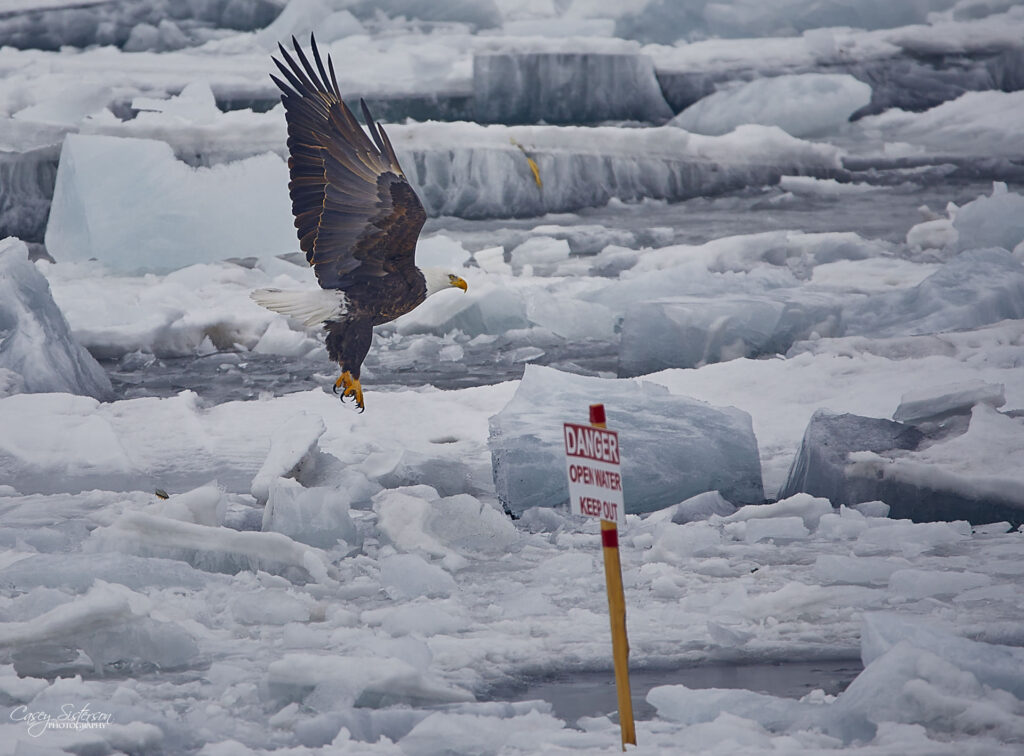
Bald eagle Manitoba sightings
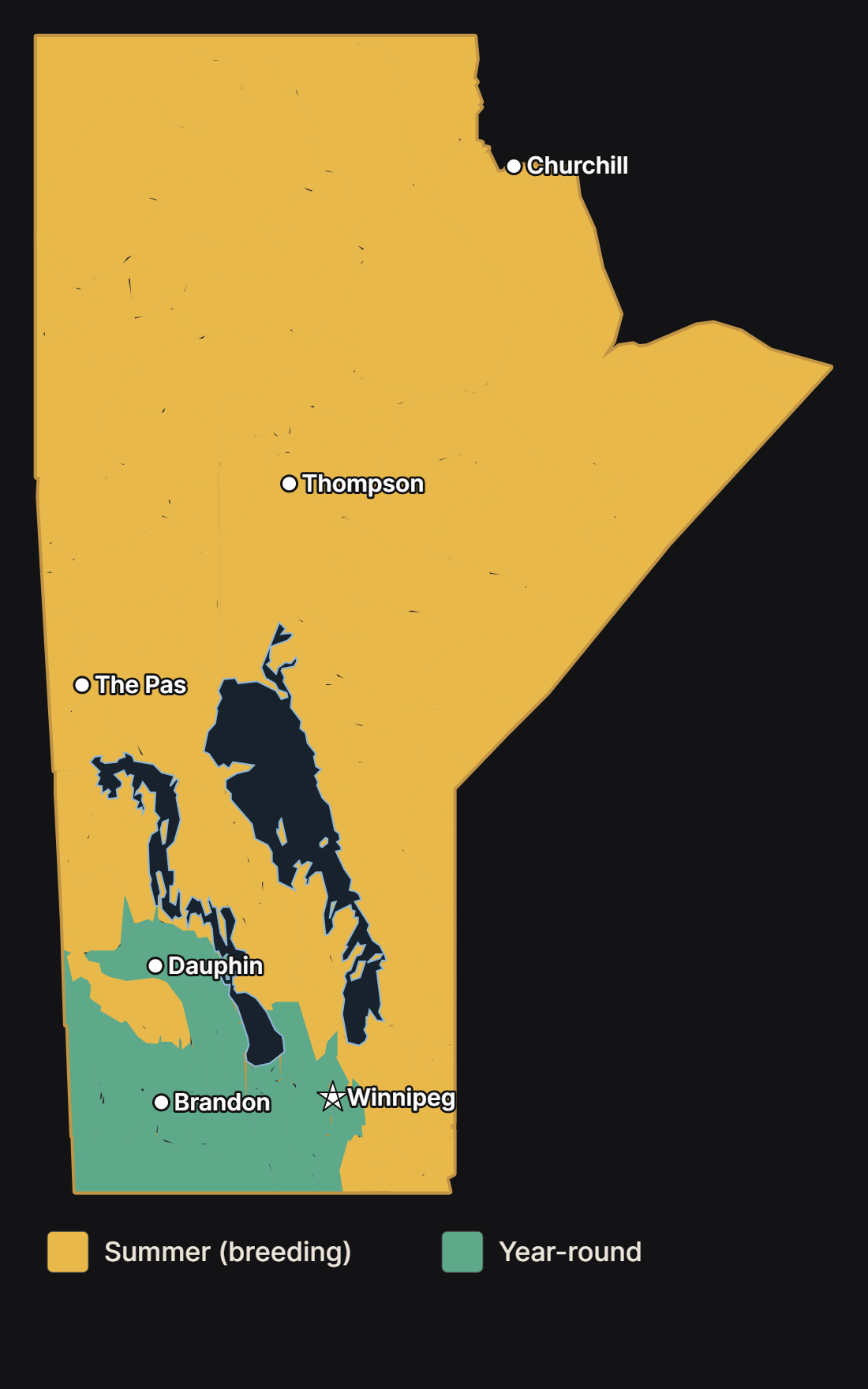
Where and when you can find the bald eagle in Manitoba depends on the season and the habitat. You can see more species in the Manitoba birds section.
Back to Manitoba bird photography, or see the portfolio.