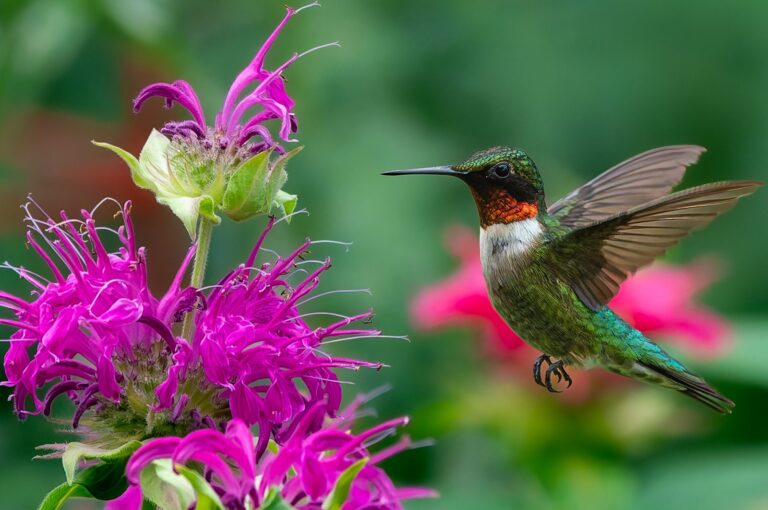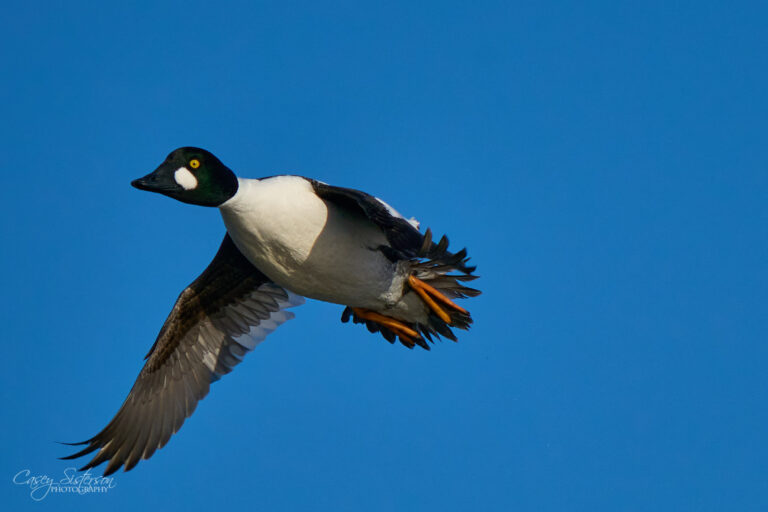
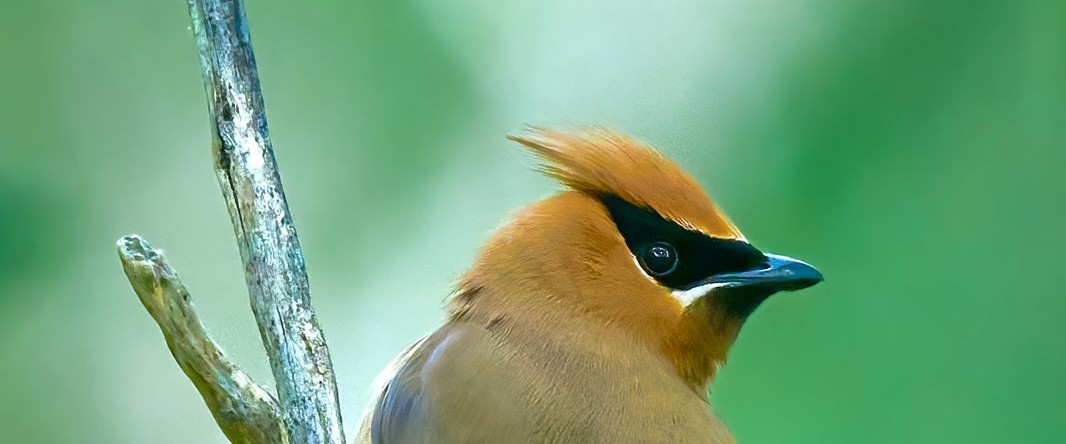
Bird portrait photography: six frames with soft backgrounds
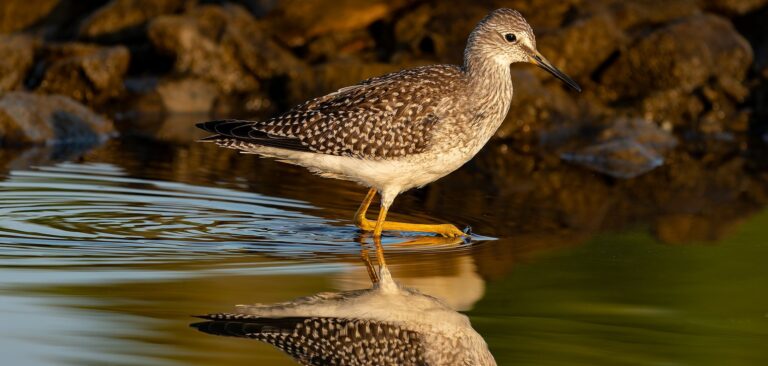
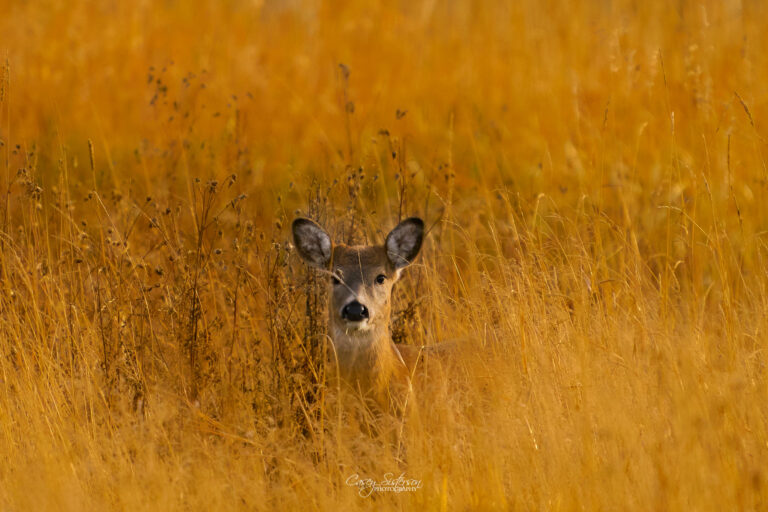
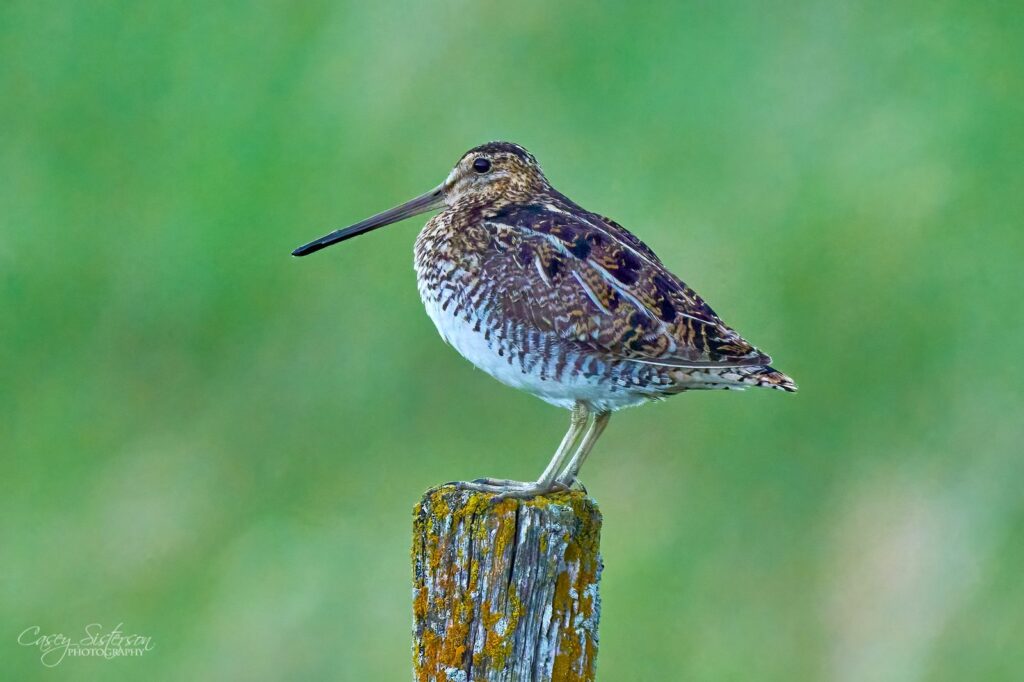
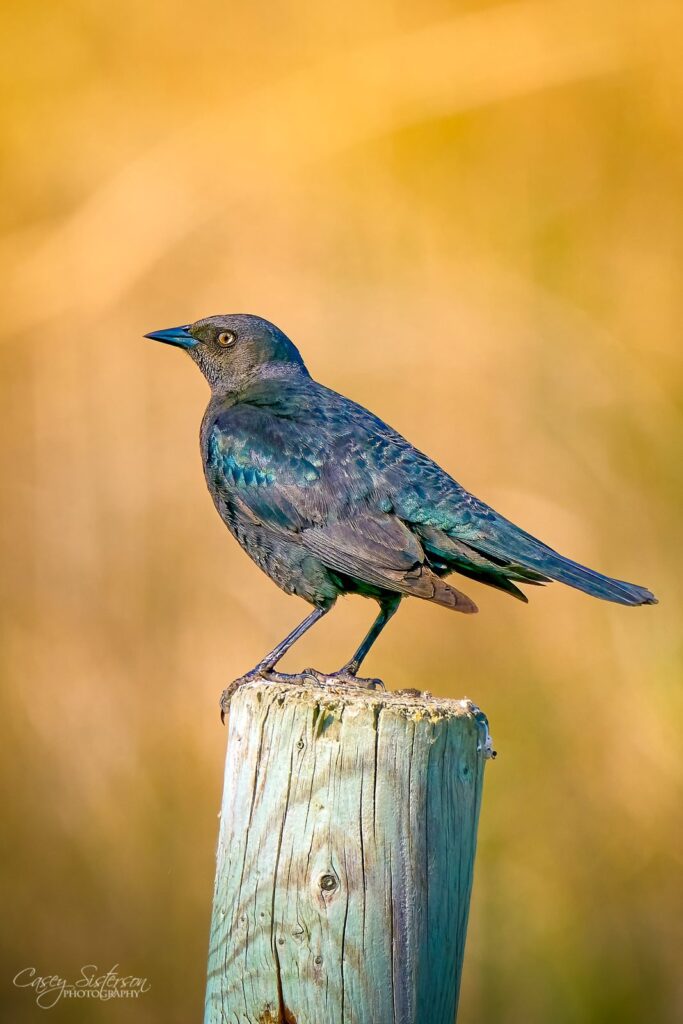
Bird portrait photography is a subtraction exercise. First, pick the bird. Then remove everything else: the clutter behind it, the branches in front of it, and the second thing competing for your eye. As a result, what is left is a bird, a little light, and a background so soft it turns into colour.
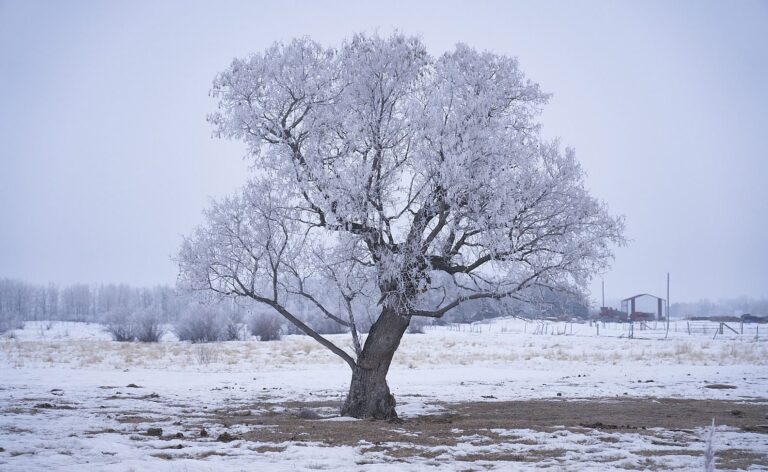
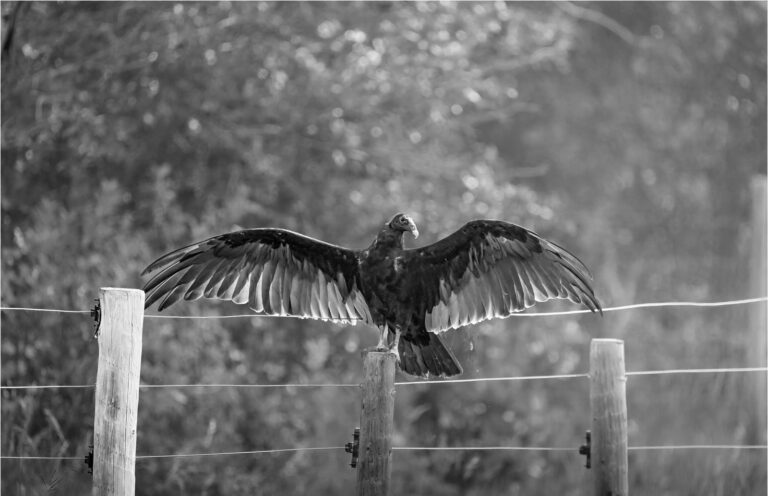
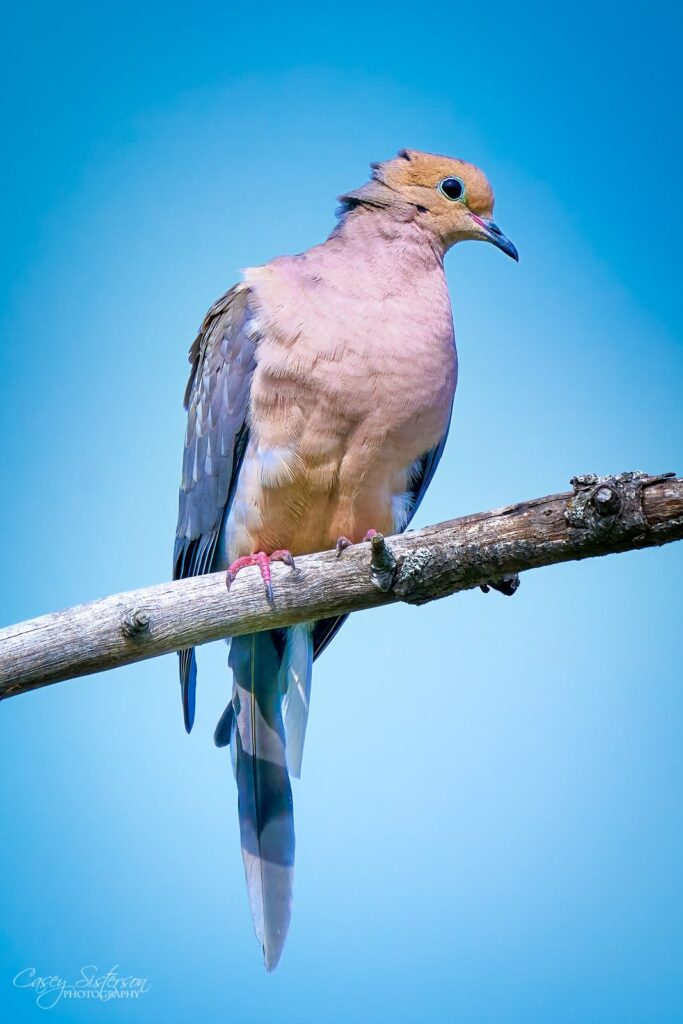
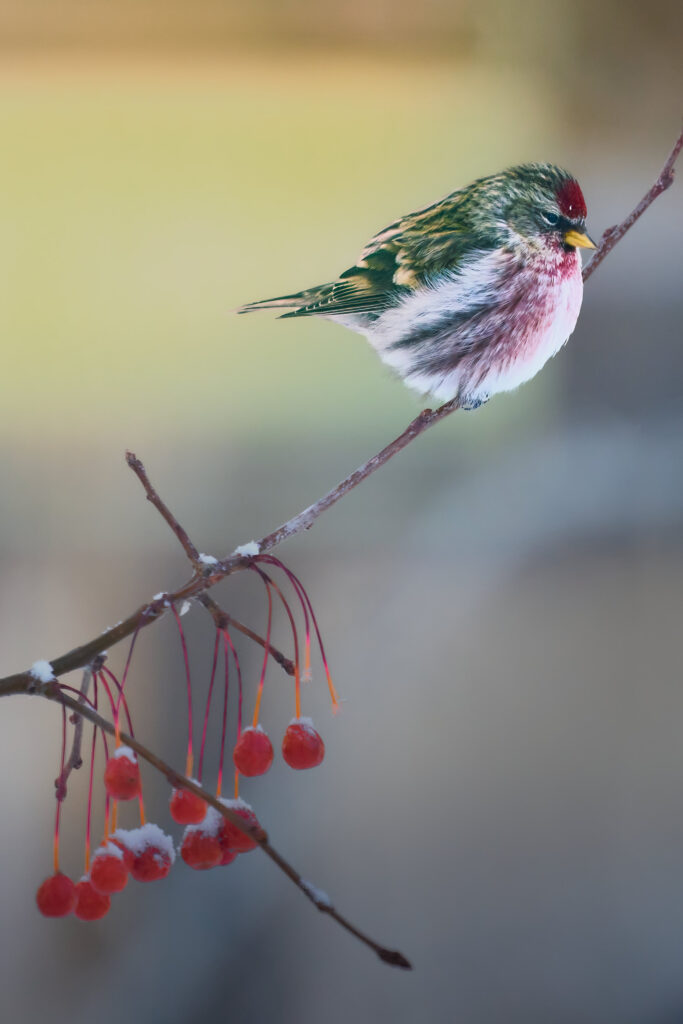
Here are six frames where that worked, from cedar waxwings in summer to a common redpoll in the snow. Each was shot long and wide open, or close to it, and the bird sat well away from whatever was behind it.
Six bird portraits, one bird at a time
Photographing a bird portrait feels a lot like working with a model, except the model never takes direction. First, you slow down, pick a spot, and wait for the head to turn just right. If the bird shifts, you shift with it, a step left, a little lower, until the light catches the eye and the best angle lines up. Then you hold your breath and hope it stays put for one more frame. Still, in all my years of doing this, not one bird has ever complained about not getting its best side. Instead, they just sit there looking perfect from every angle, and I am the one who has to find it.
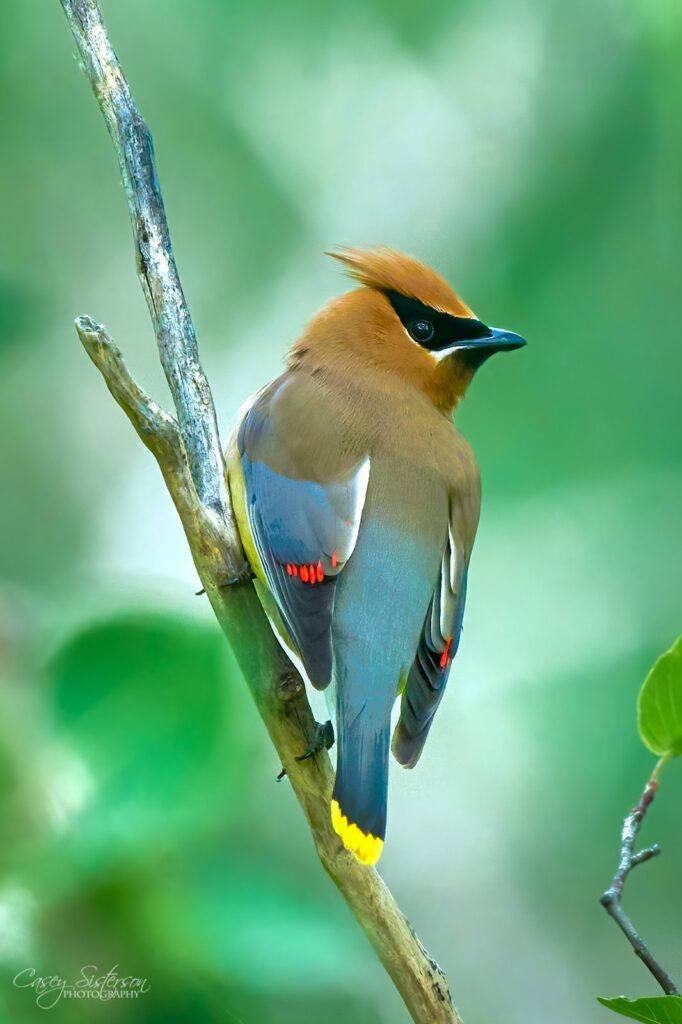
Simple perches, soft light
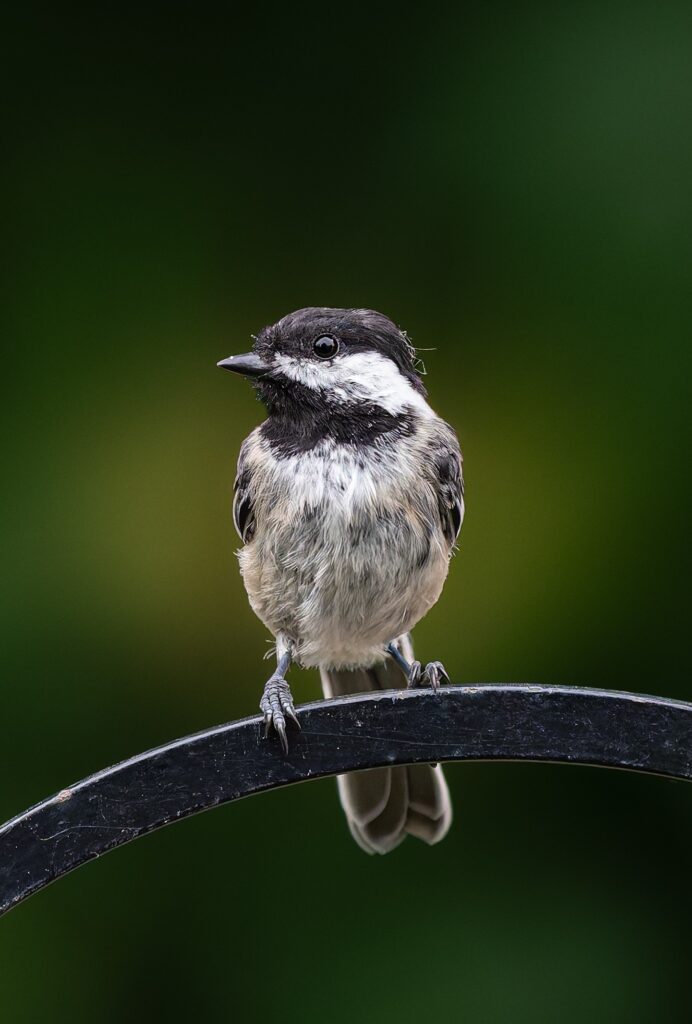
Notice that each of these birds is on a simple perch, such as a thin branch, a weathered post, or a bare twig. Because the perch is plain, the eye goes straight to the bird. Meanwhile, the soft colour behind it does the rest, so nothing pulls attention away from the feathers and the eye.
How to improve your bird portrait photography
Most of it is distance, not gear. A long lens at a wide aperture shrinks the slice of the scene that stays sharp, but the real gain comes from the gap between the bird and its background. Therefore, move until the nearest clutter is as far behind the bird as you can manage. Also, keep your own position low and square to the bird, so the eye lands where you want it.
The settings for each frame are listed under the photo, and they tell a simple story: long focal lengths, wide apertures, and shutter speeds fast enough to freeze a small bird on a windy day. Because the background does so much of the work, choose it before you choose the bird. Then wait for the bird to arrive in front of it. For example, a bare branch against open sky or a distant row of trees will melt away far better than a busy hedge.
Every one of these species has its own page with more frames and a Manitoba sightings map. If you enjoy bird portrait photography, start at the Manitoba birds hub, and for current sightings near you, check eBird or Birds Canada.