
Black-capped chickadee
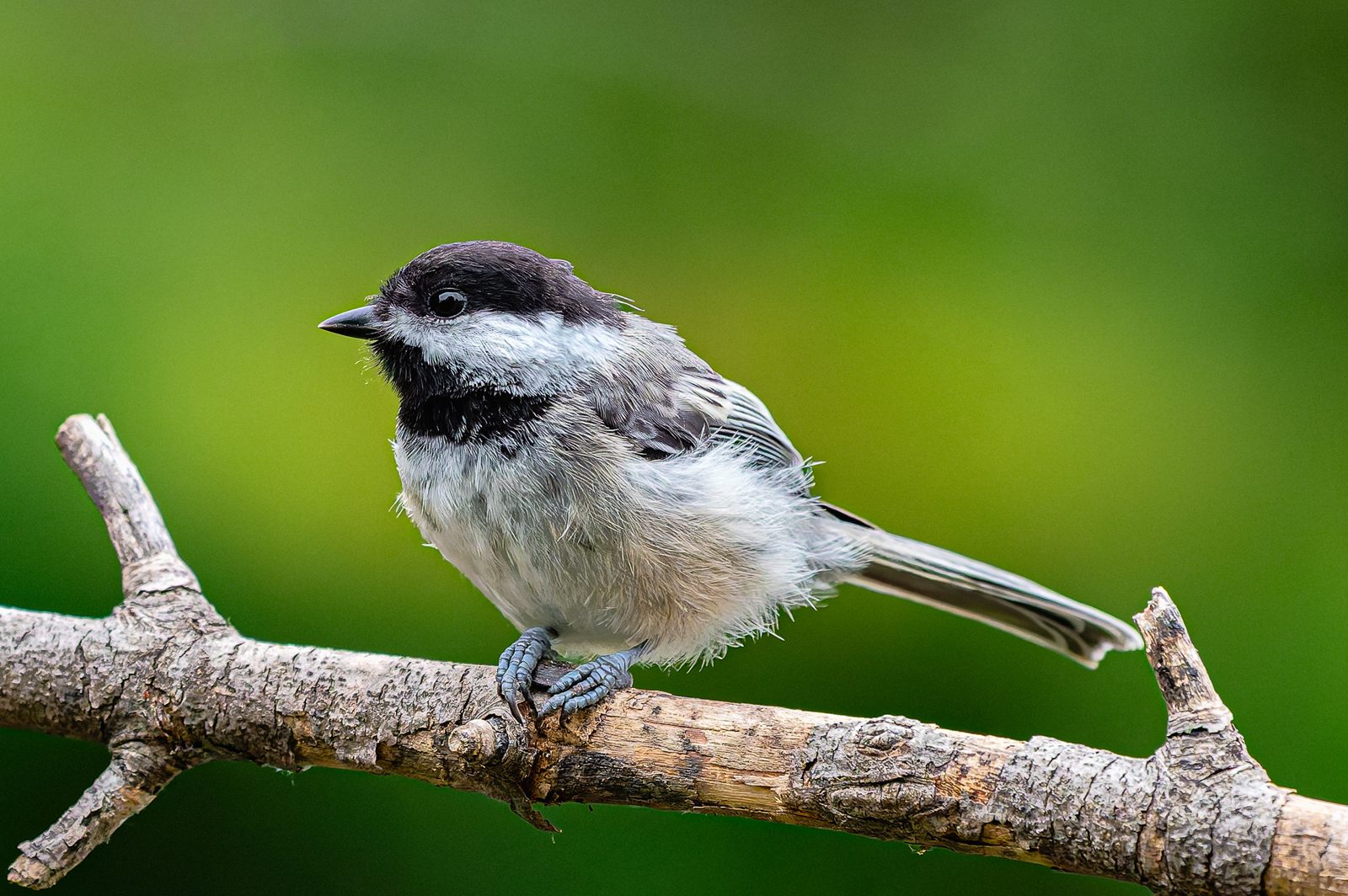
While most birds have long since fled for warmer places, the chickadee is still here at forty below, cheerfully working the feeder and calling out its own name. It is the songbird that makes a Manitoba January feel friendly. In spring it trades the feeder for new buds and insects, and by summer it is flitting through the branches with a beak full of food for nestlings.
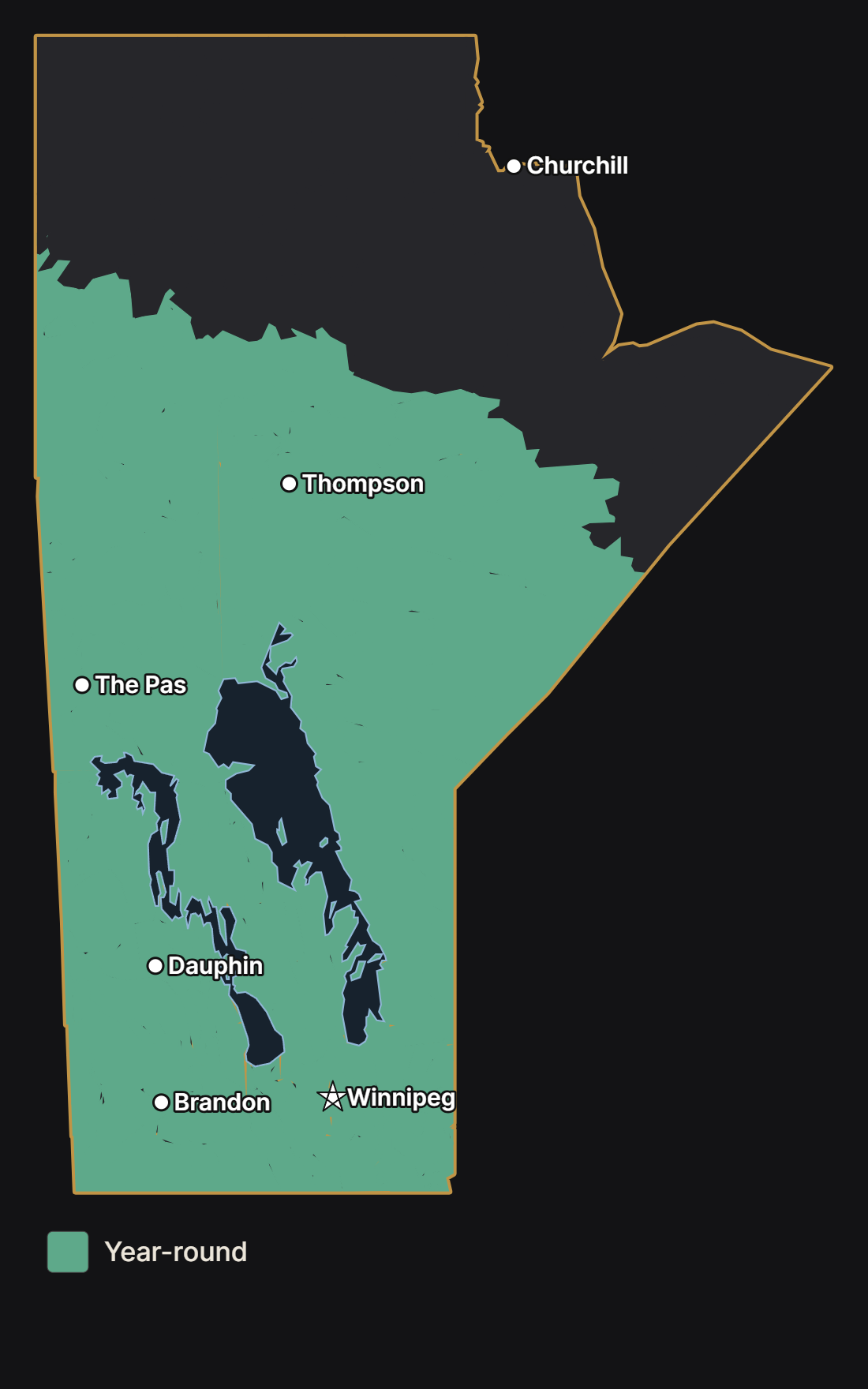
Black-capped chickadees stay in Manitoba all year, and they have tricks to survive the cold: at night they can lower their body temperature to save energy, and in fall they hide thousands of seeds, each remembered by location, while the memory centre of their brain grows to keep track. A chickadee weighs only about 11 grams. Its chick-a-dee call carries information too: more dee notes at the end means a bigger threat nearby.
To find out more about the black-capped chickadee and the places it lives, visit All About Birds.
Field notes in photographs
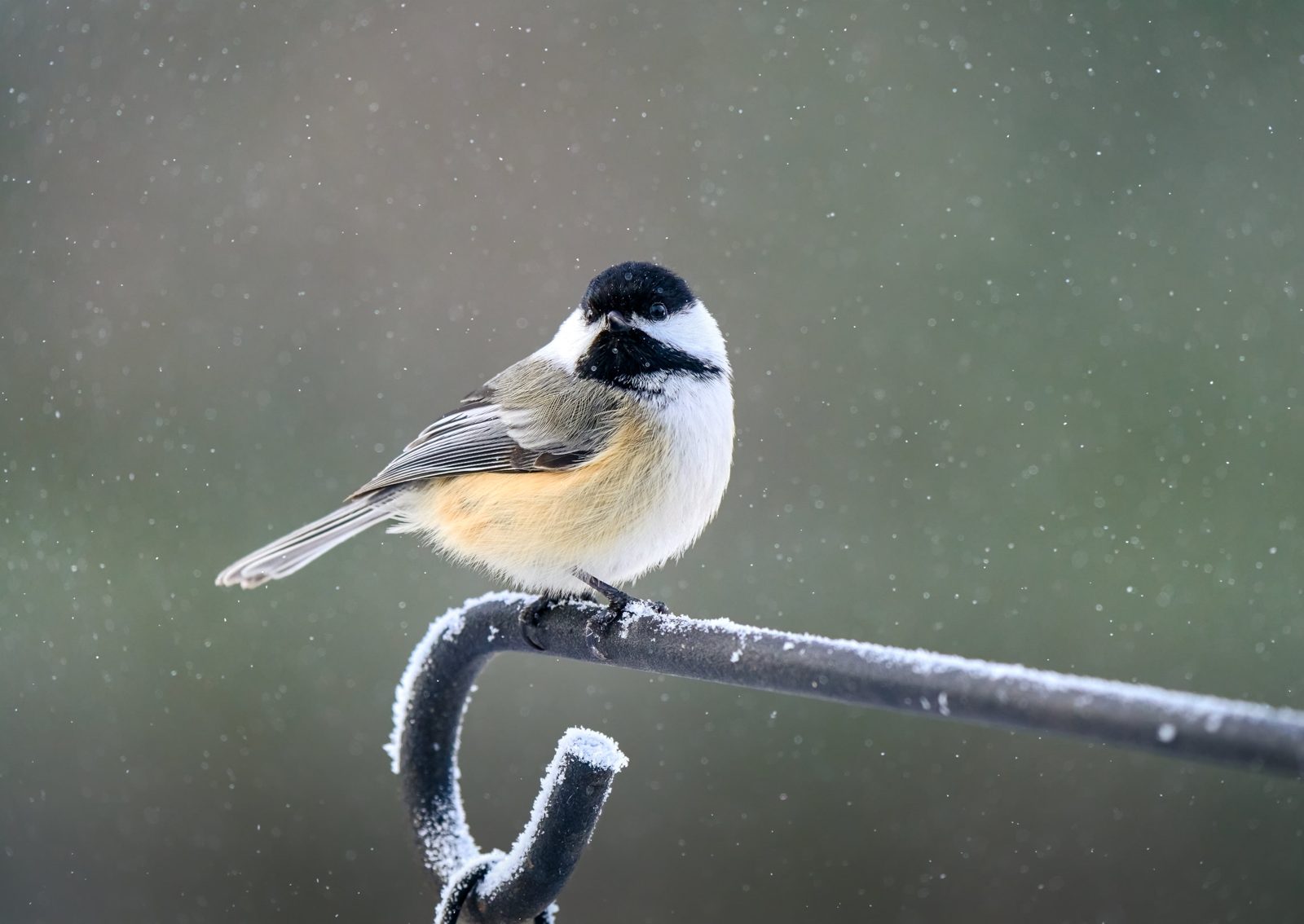
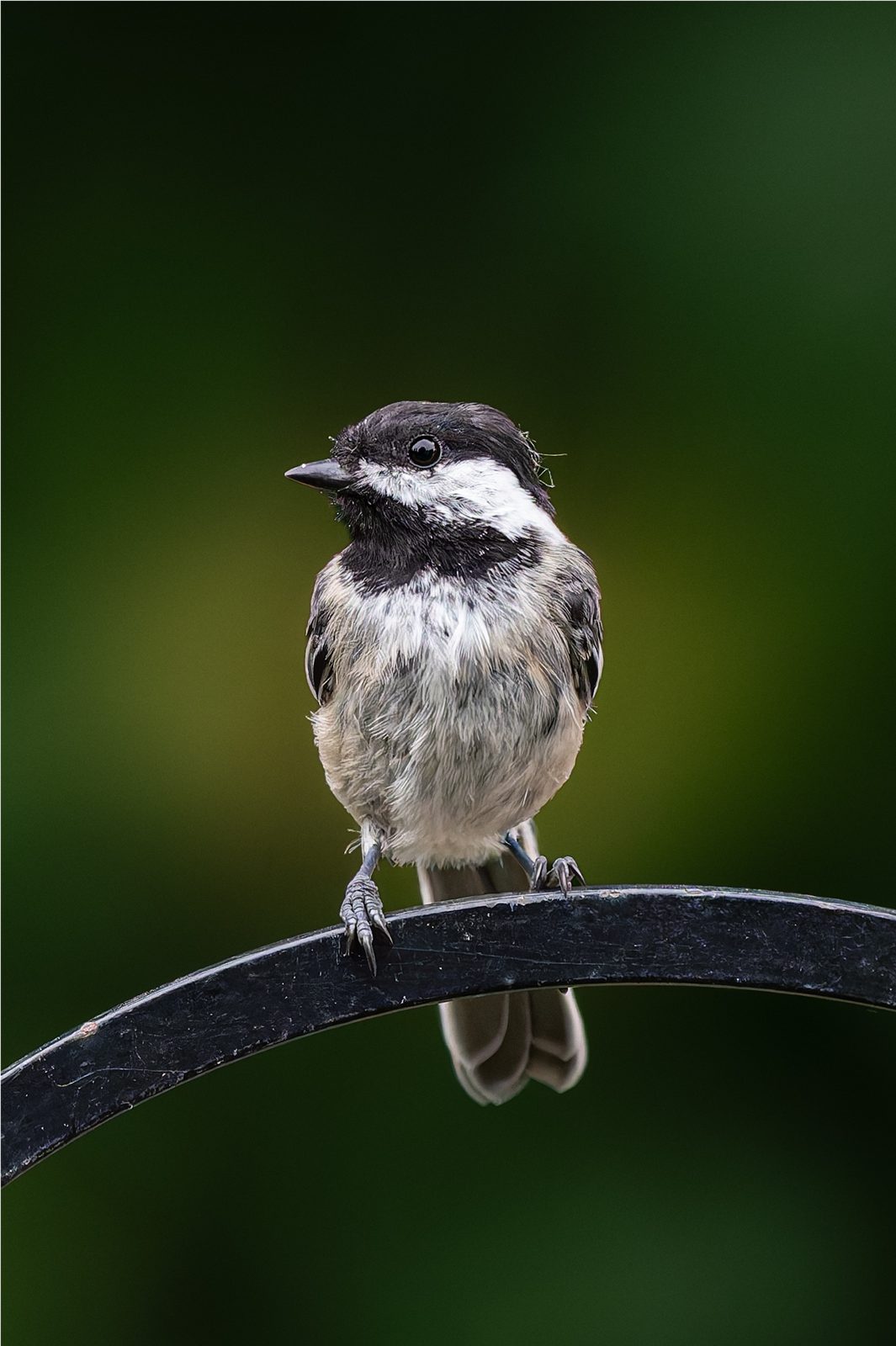
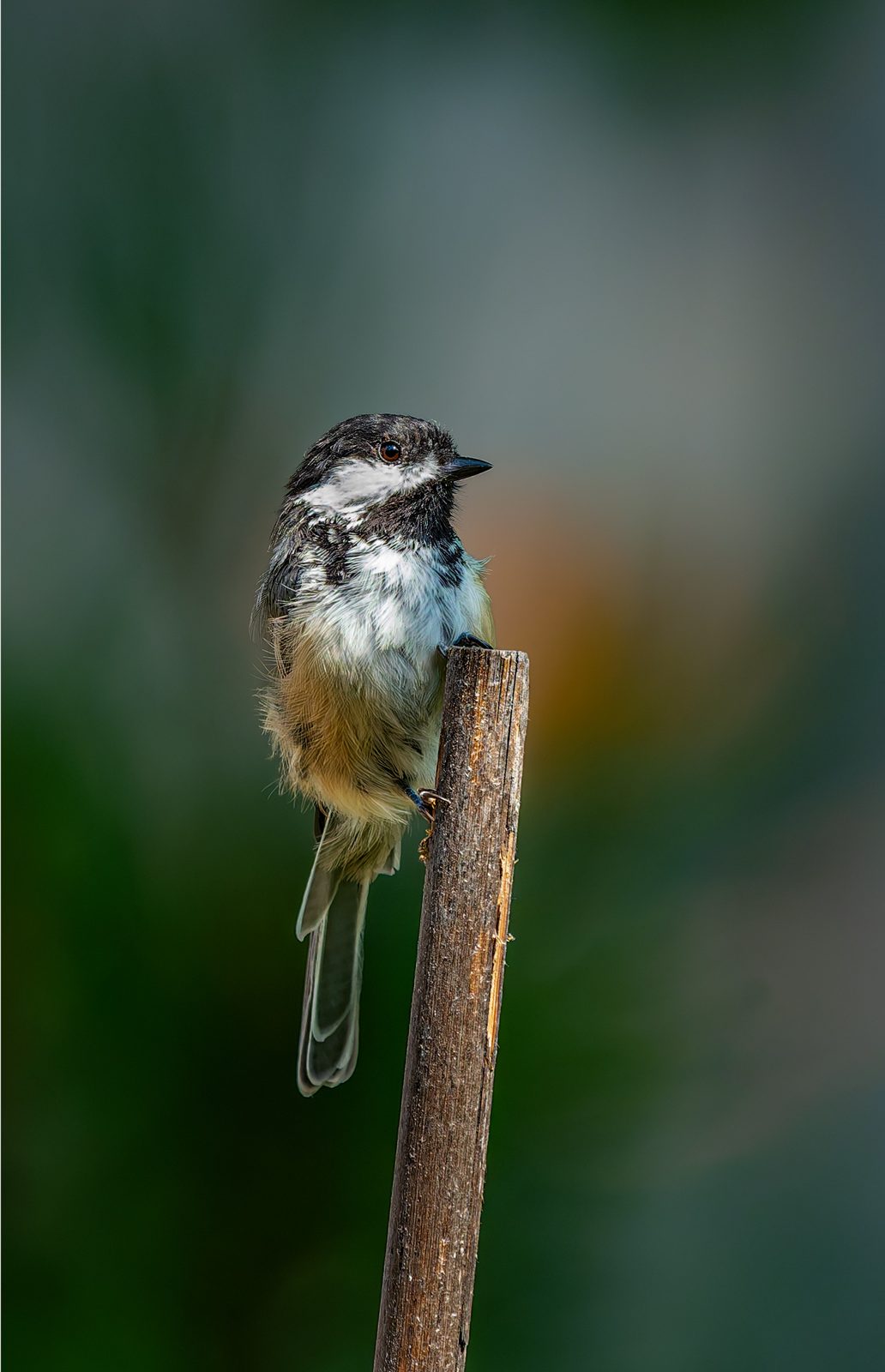
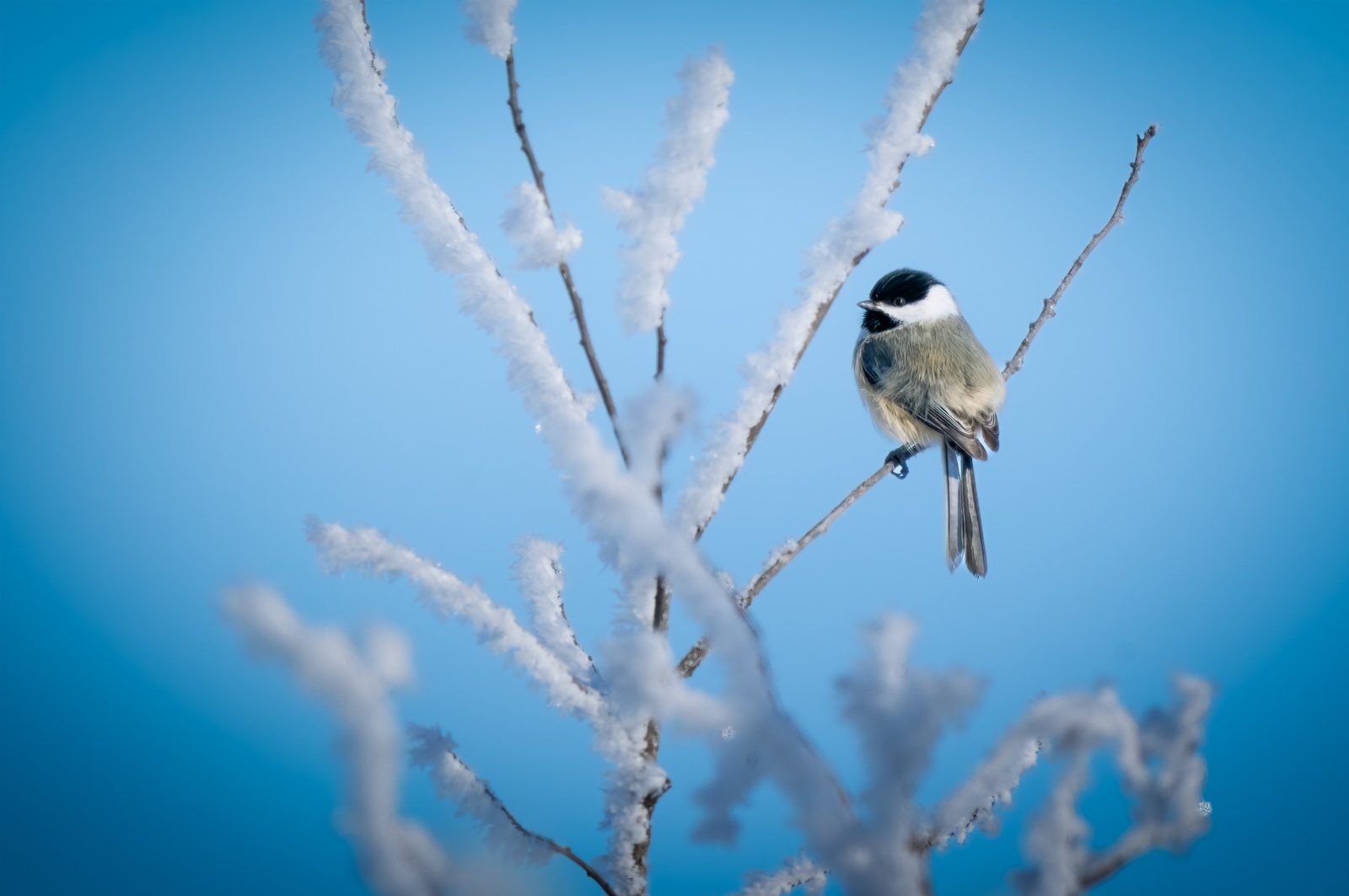
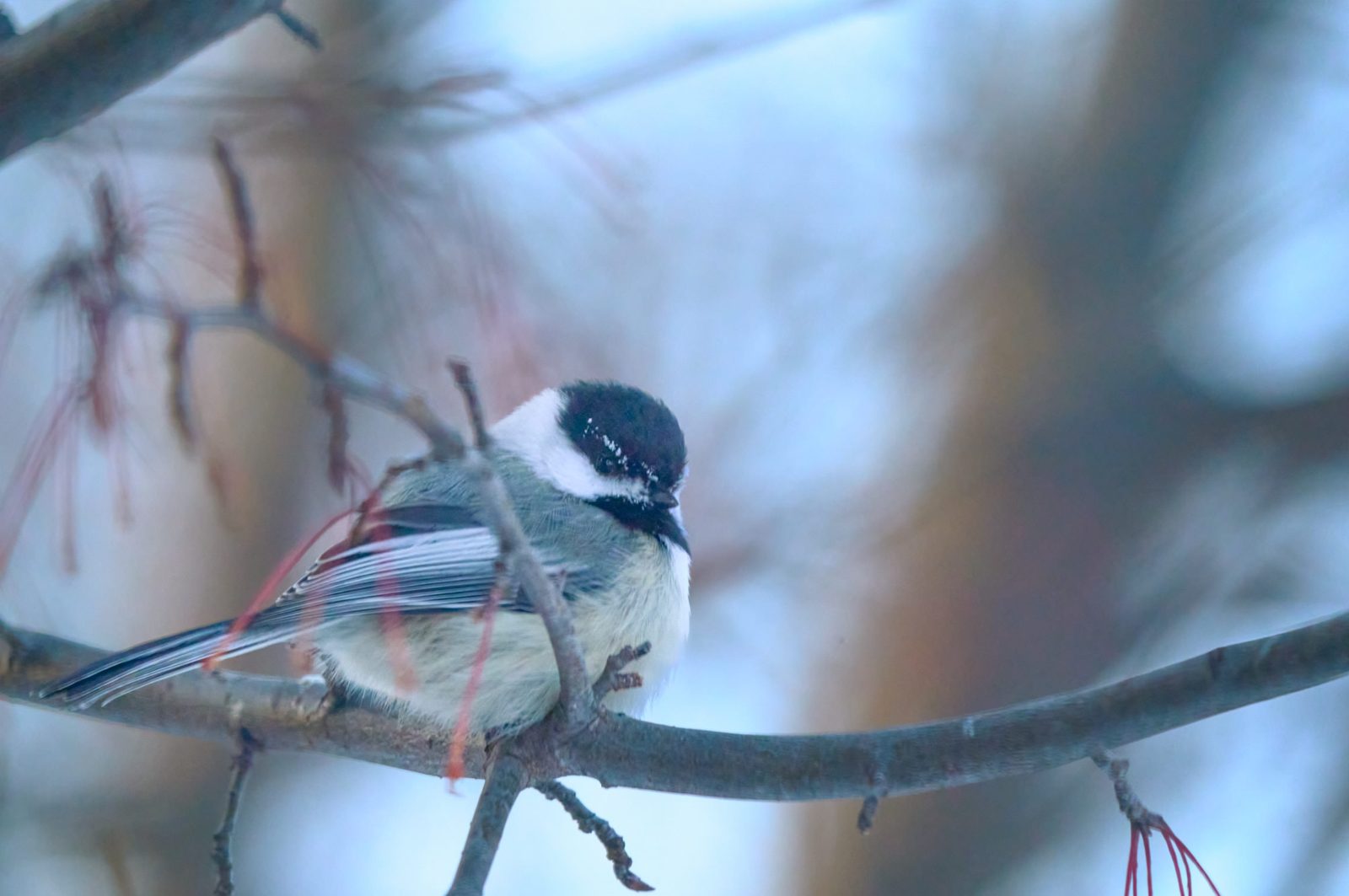
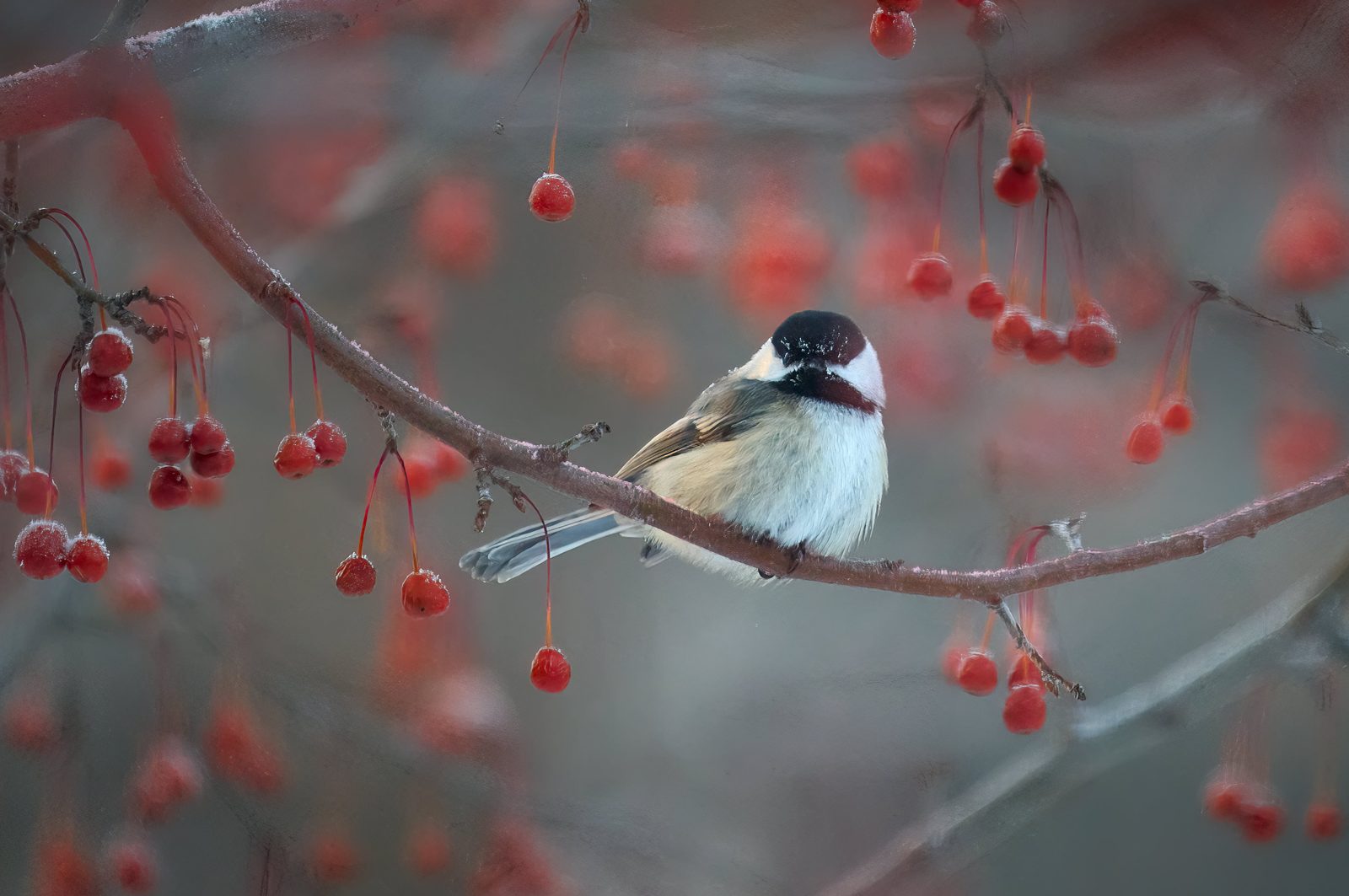
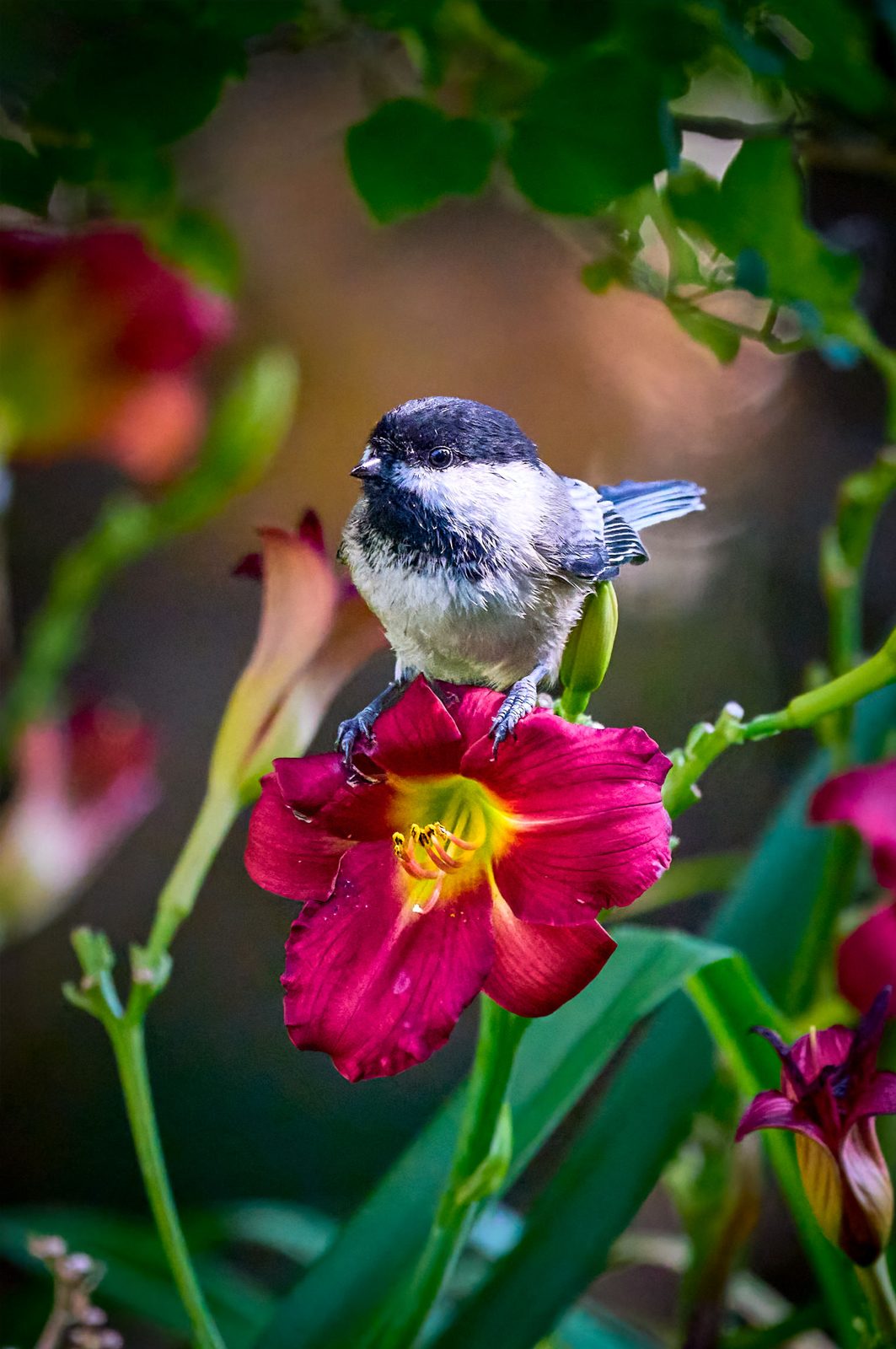
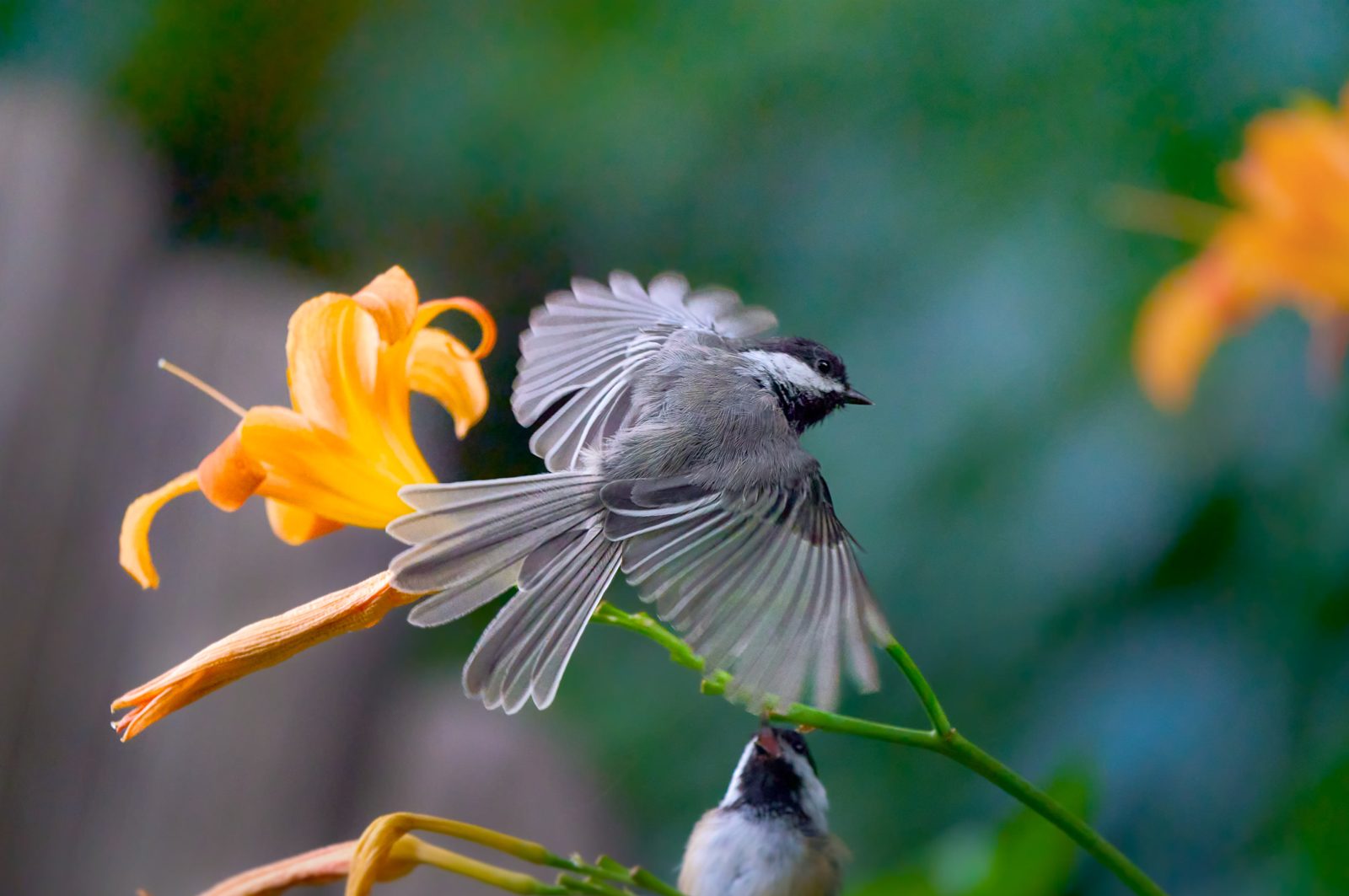
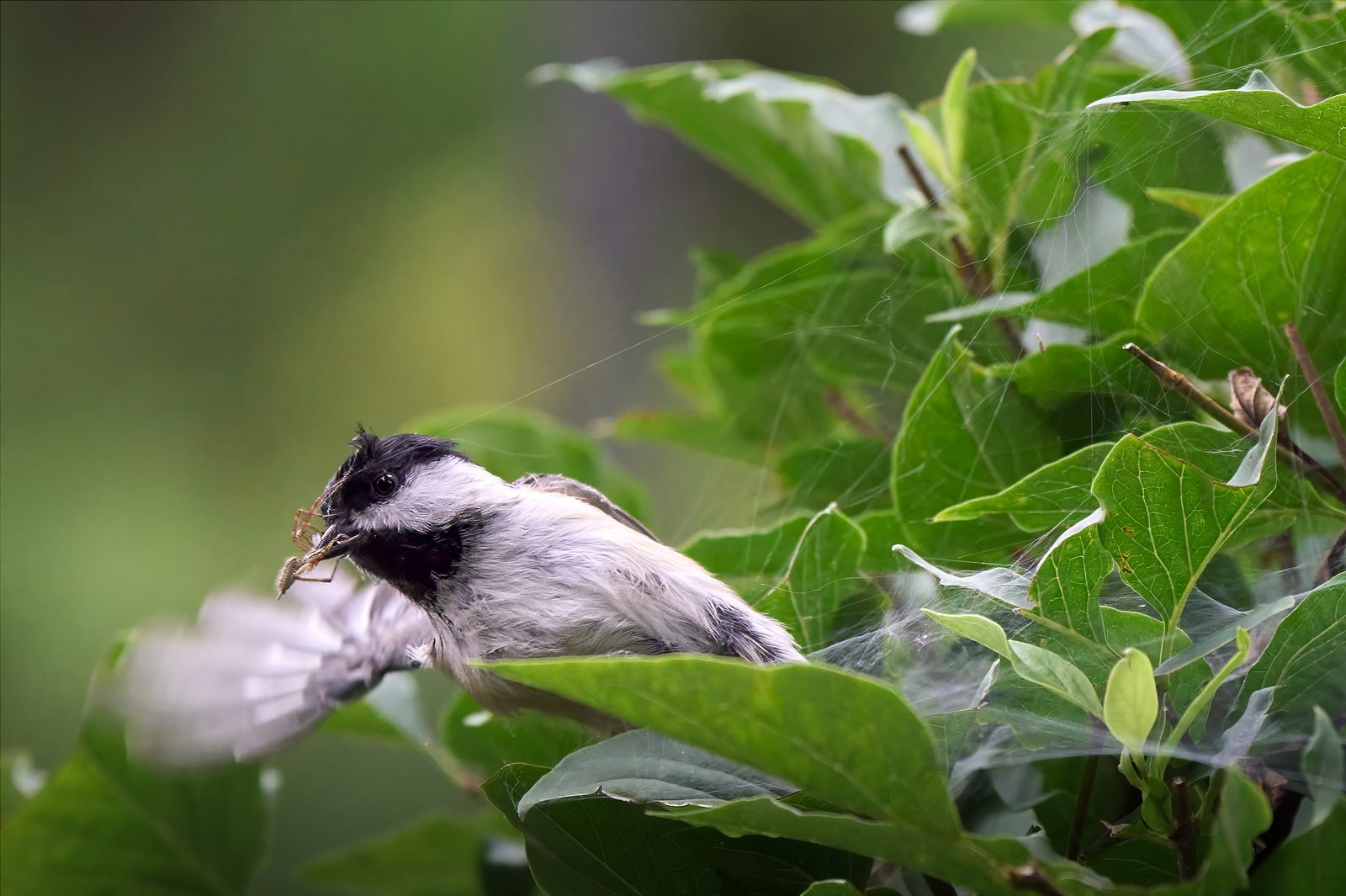
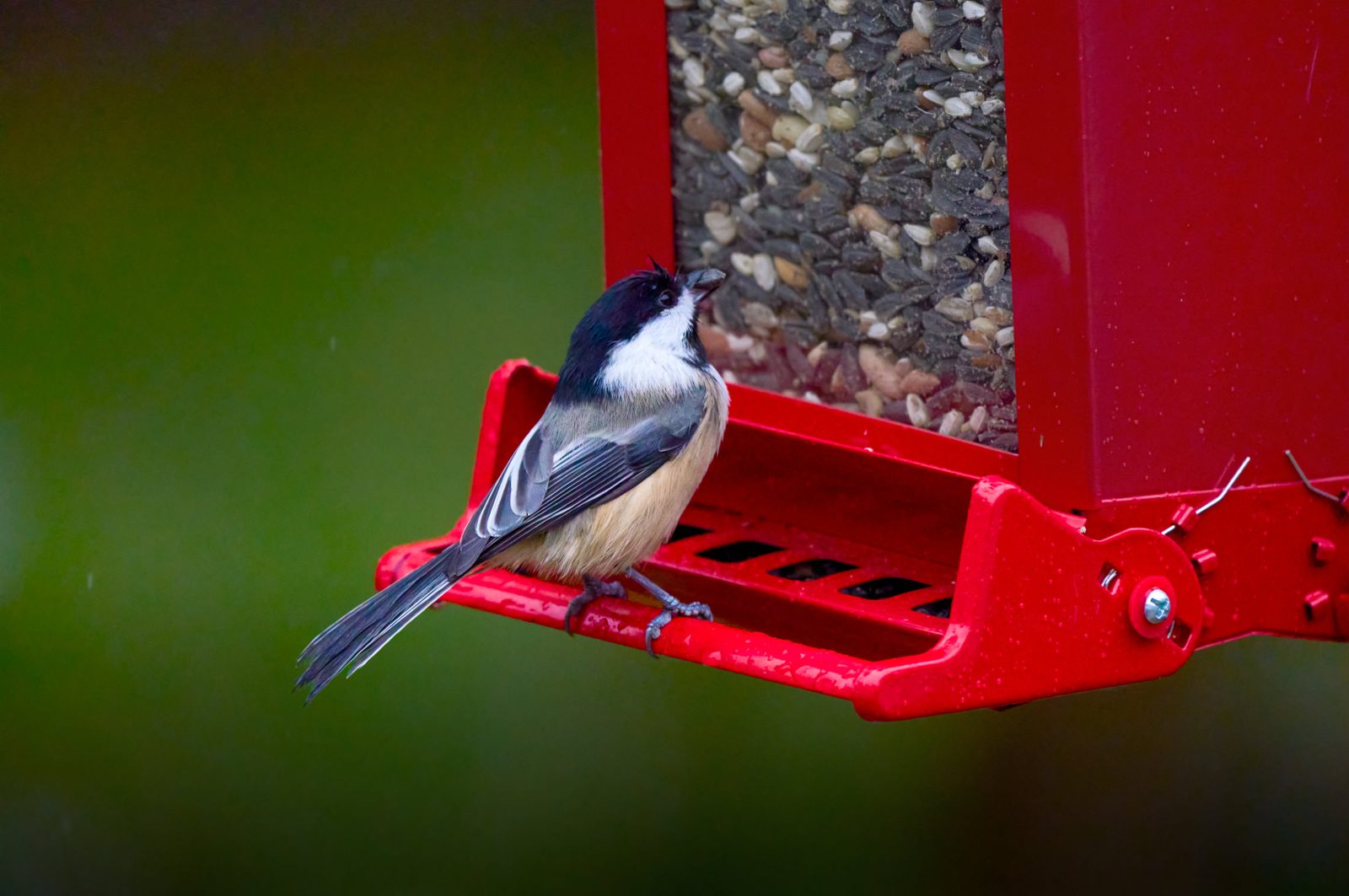
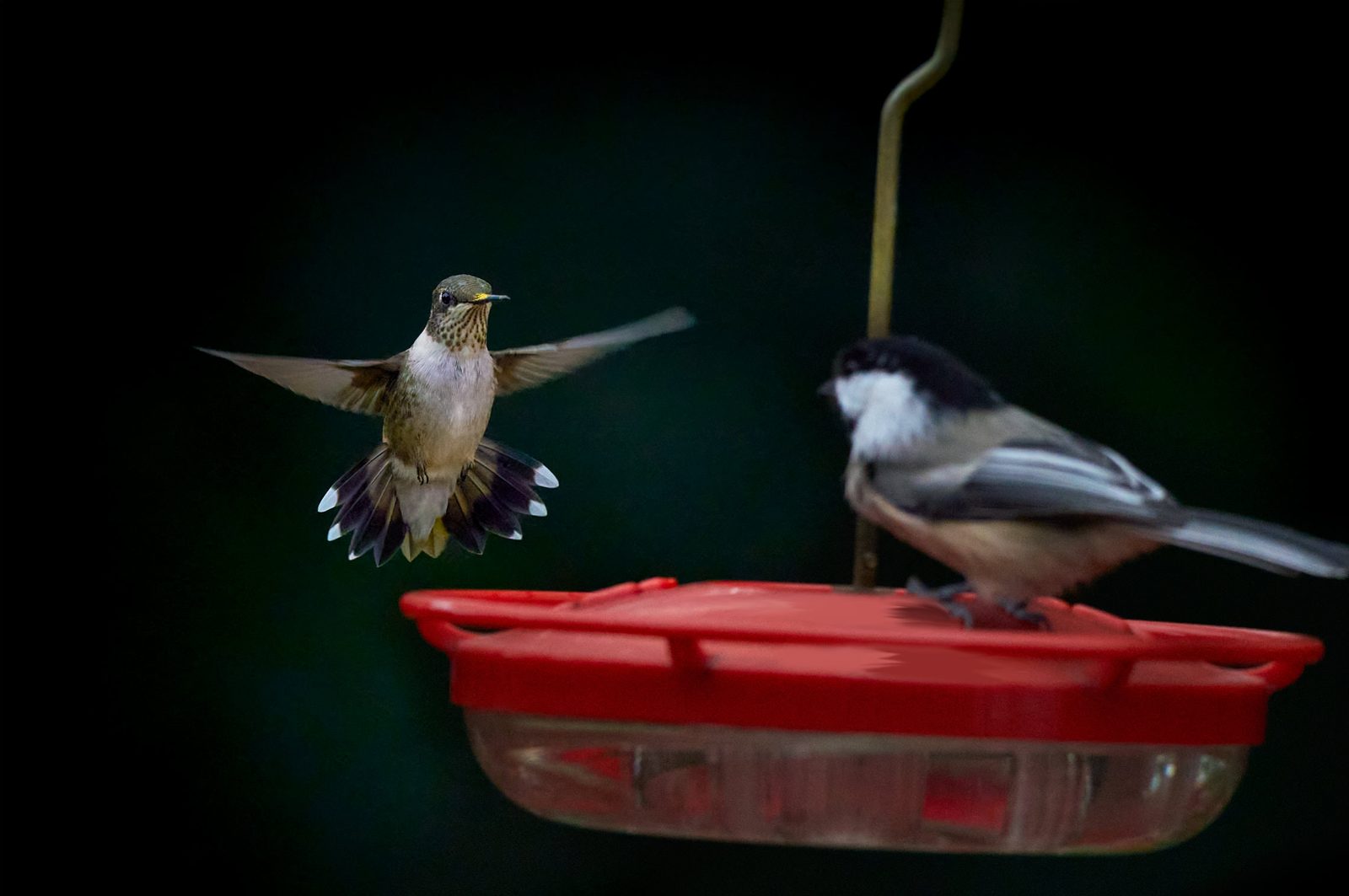
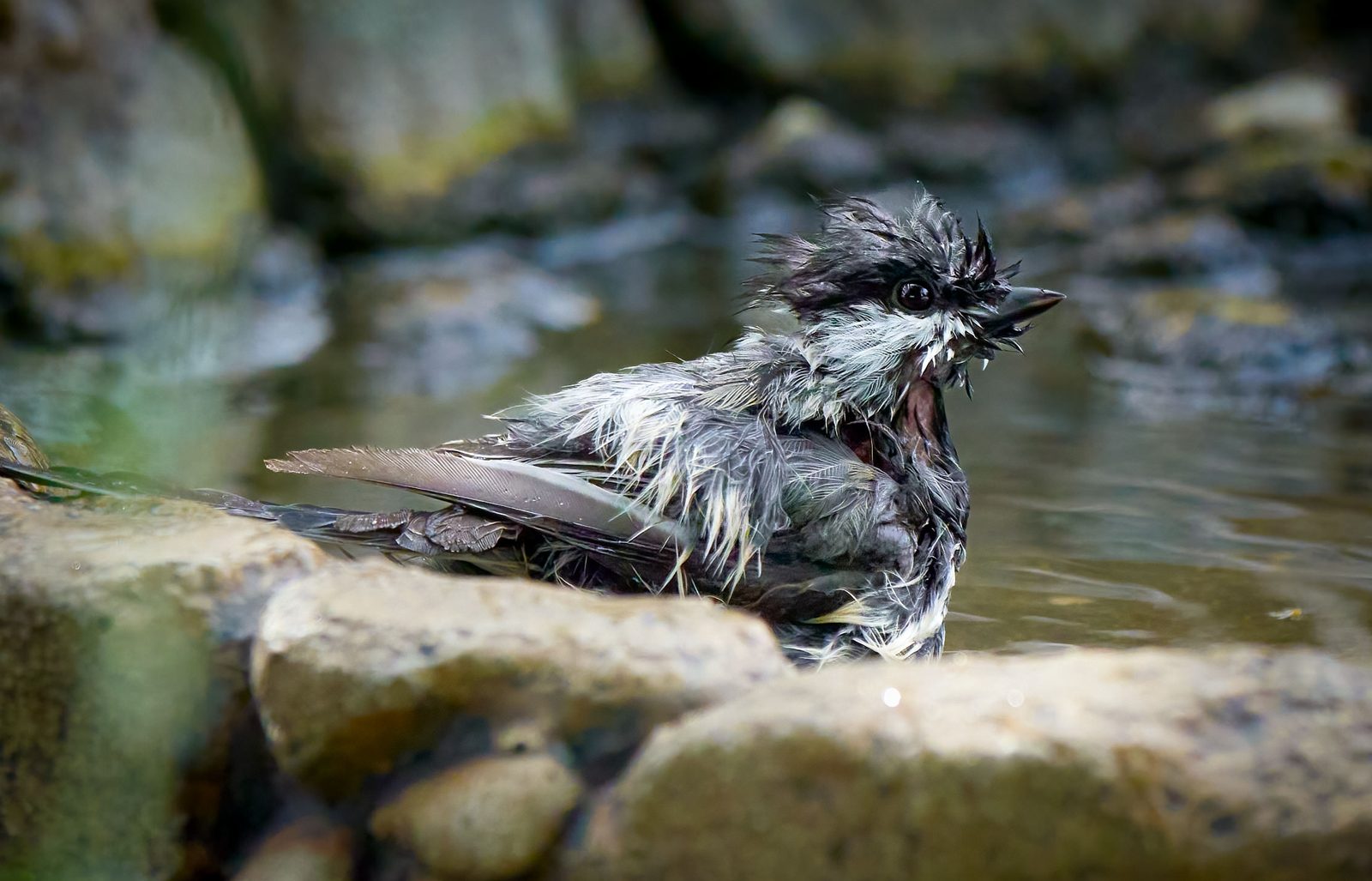
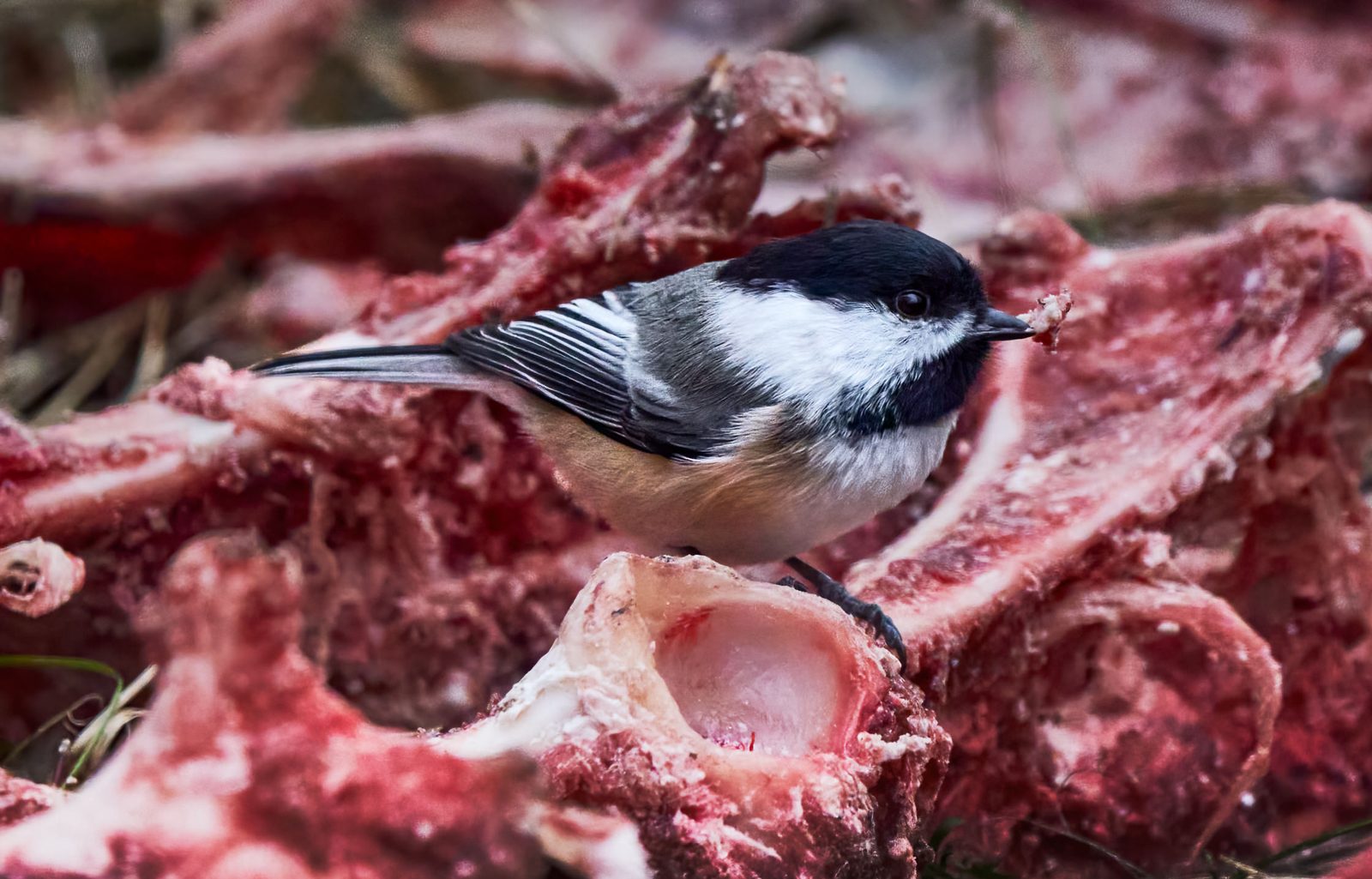
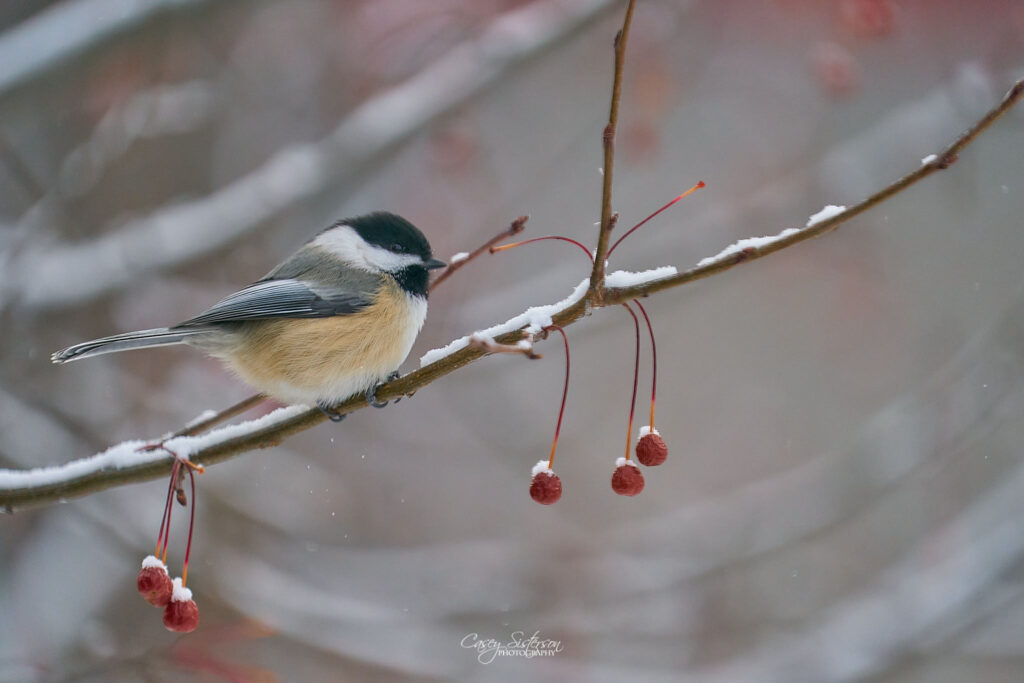
Black-capped chickadee Manitoba sightings
Where and when you can find the black-capped chickadee in Manitoba depends on the season and the habitat. You can see more species in the Manitoba birds section.
Back to Manitoba bird photography, or see the portfolio.