
Double-crested cormorant
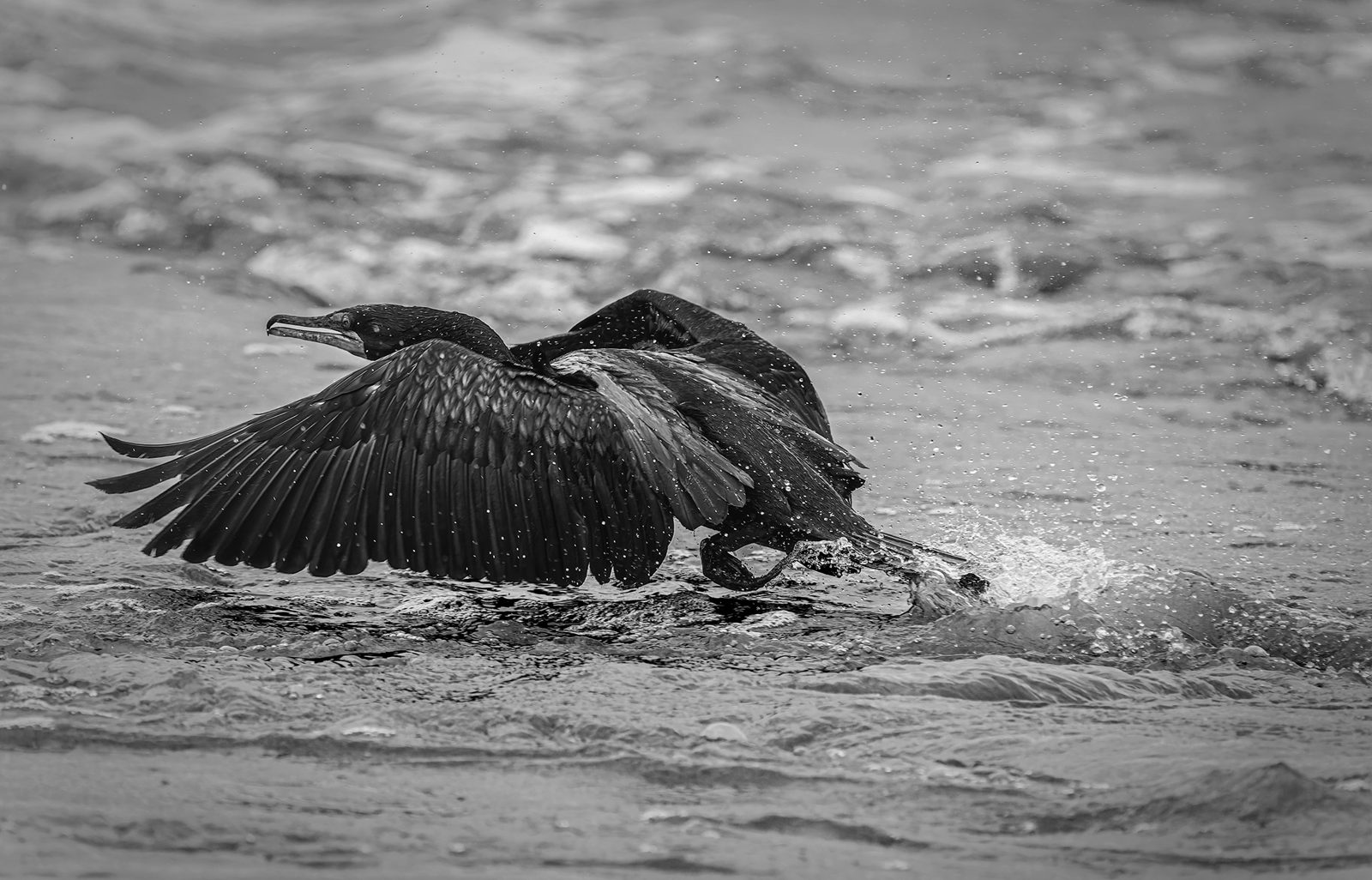
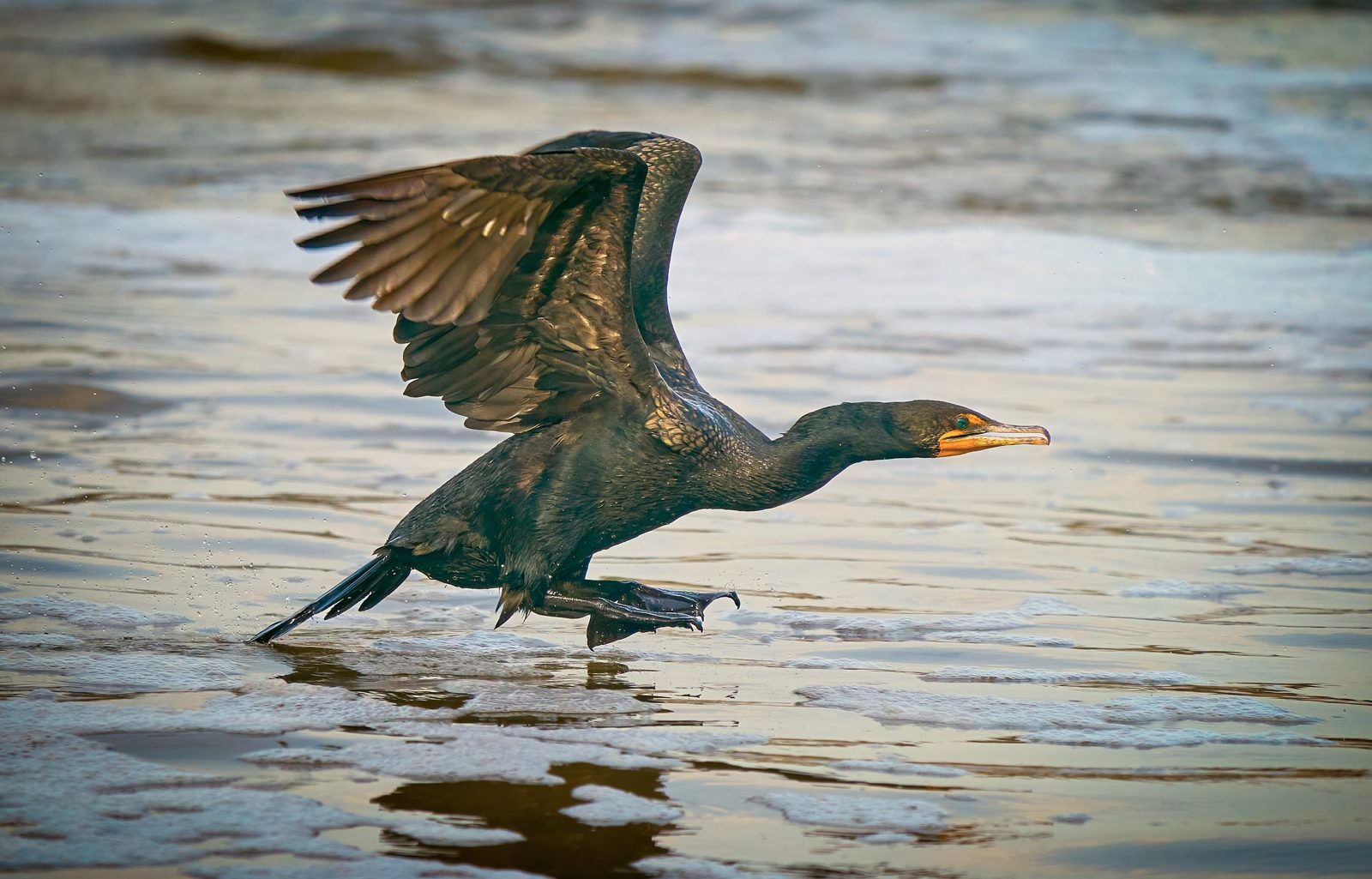
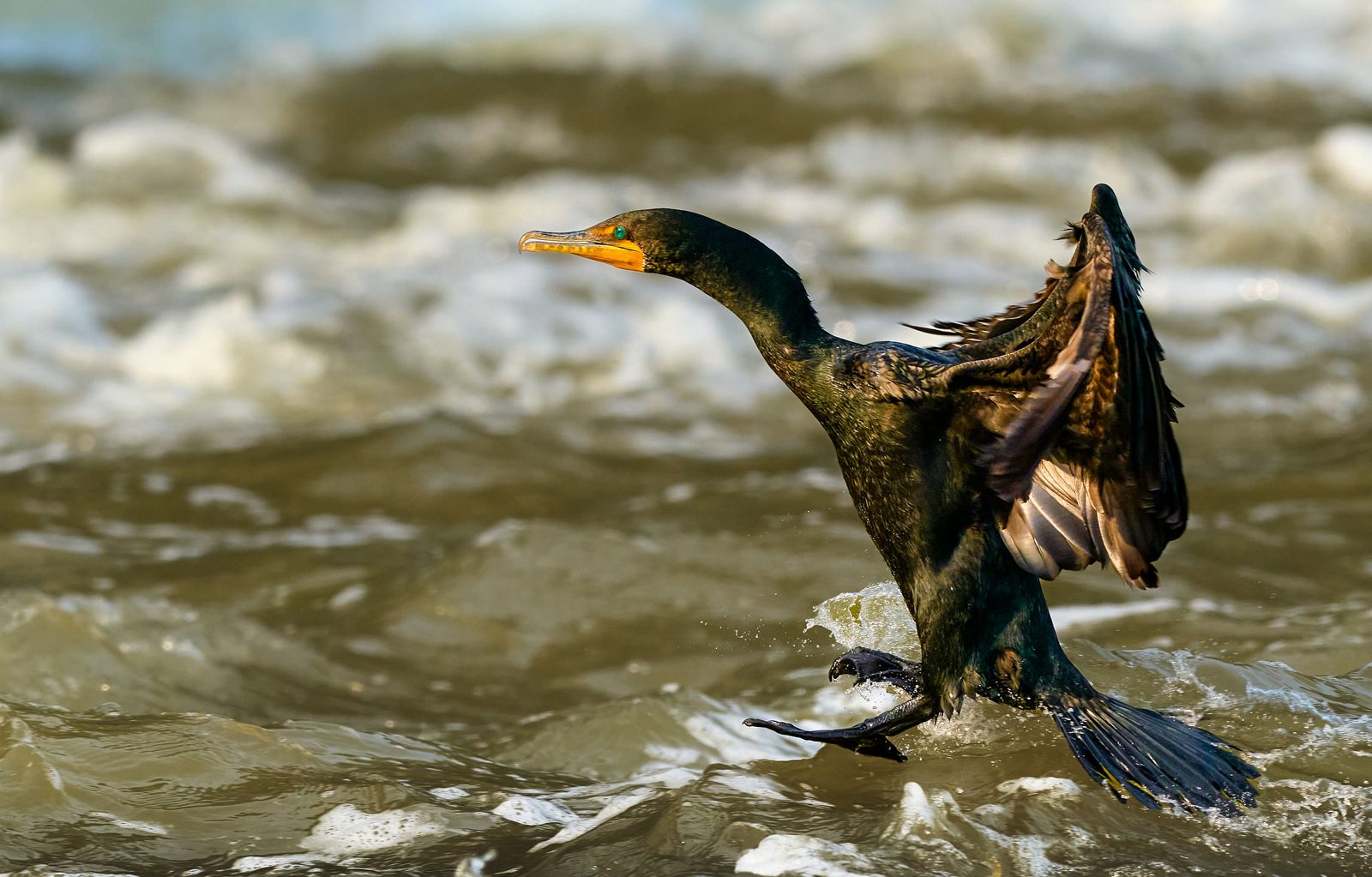
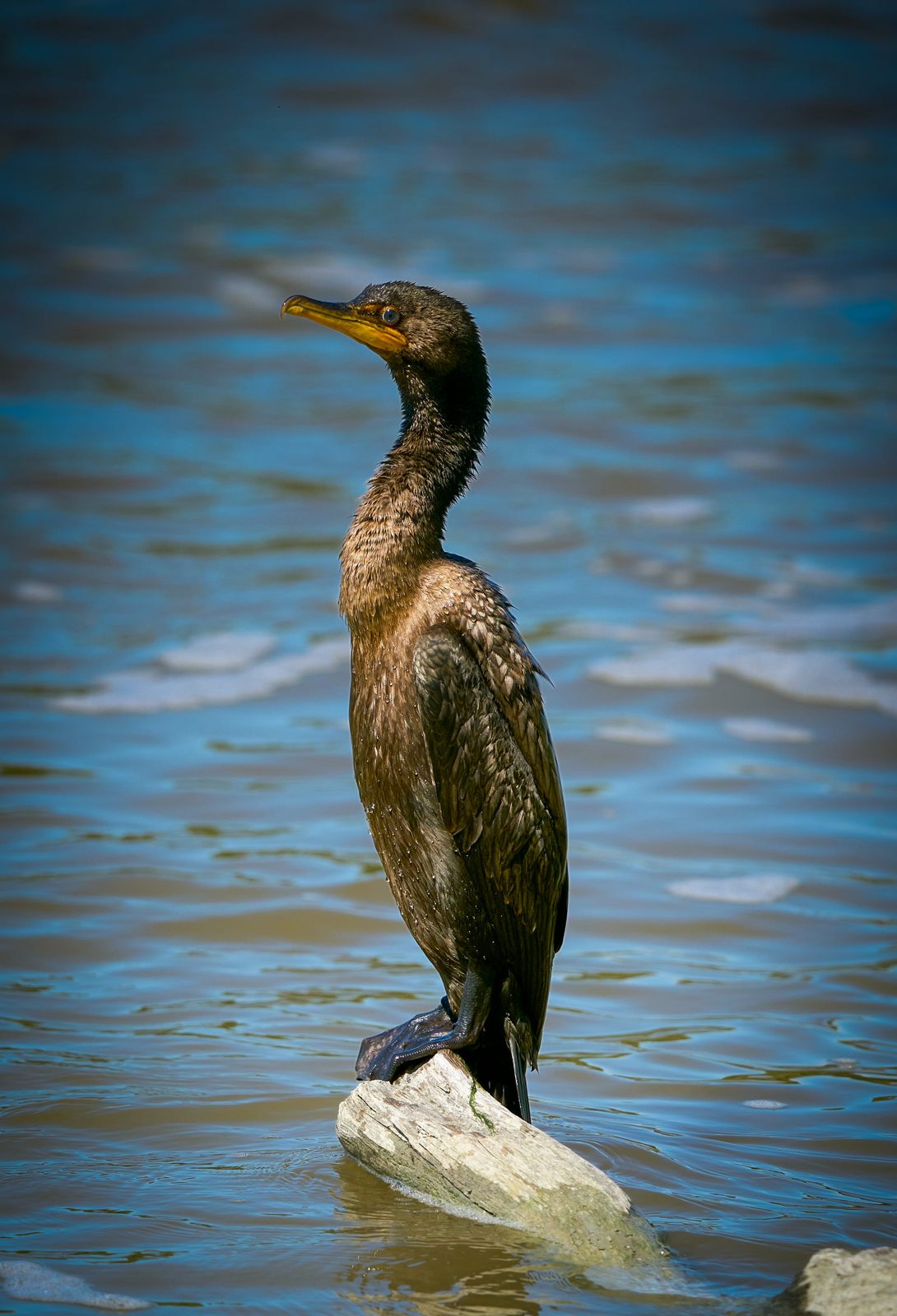
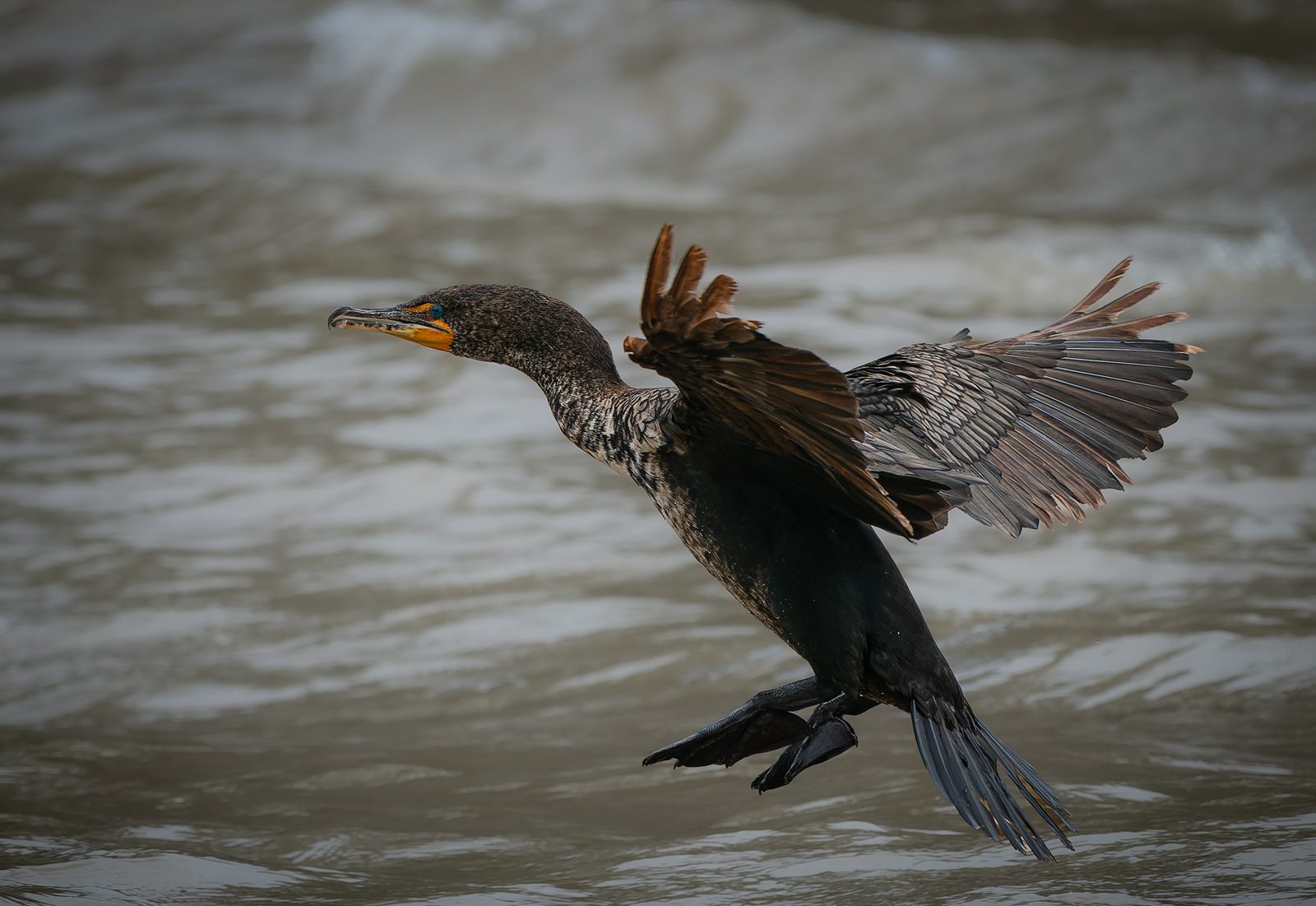
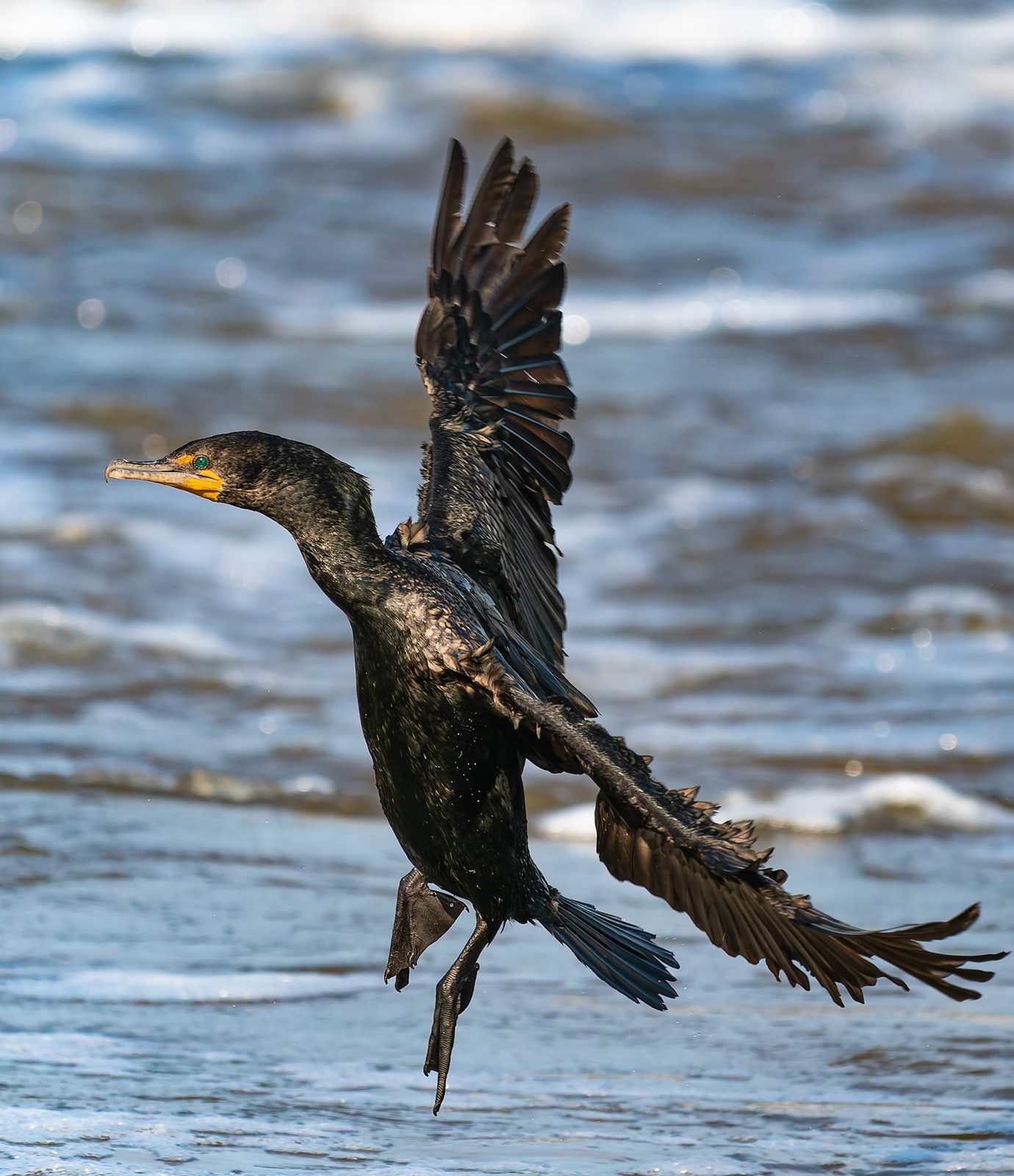
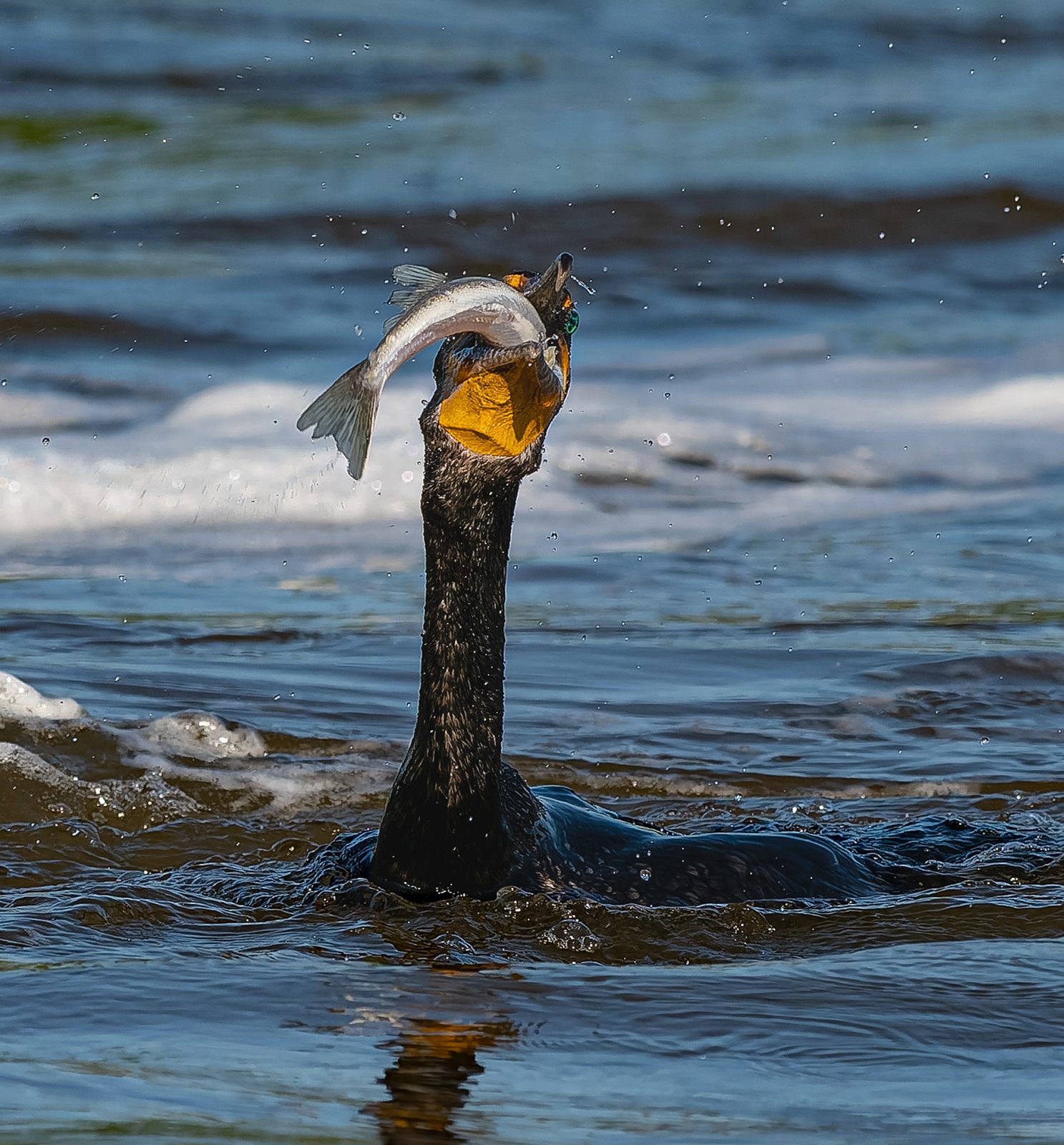
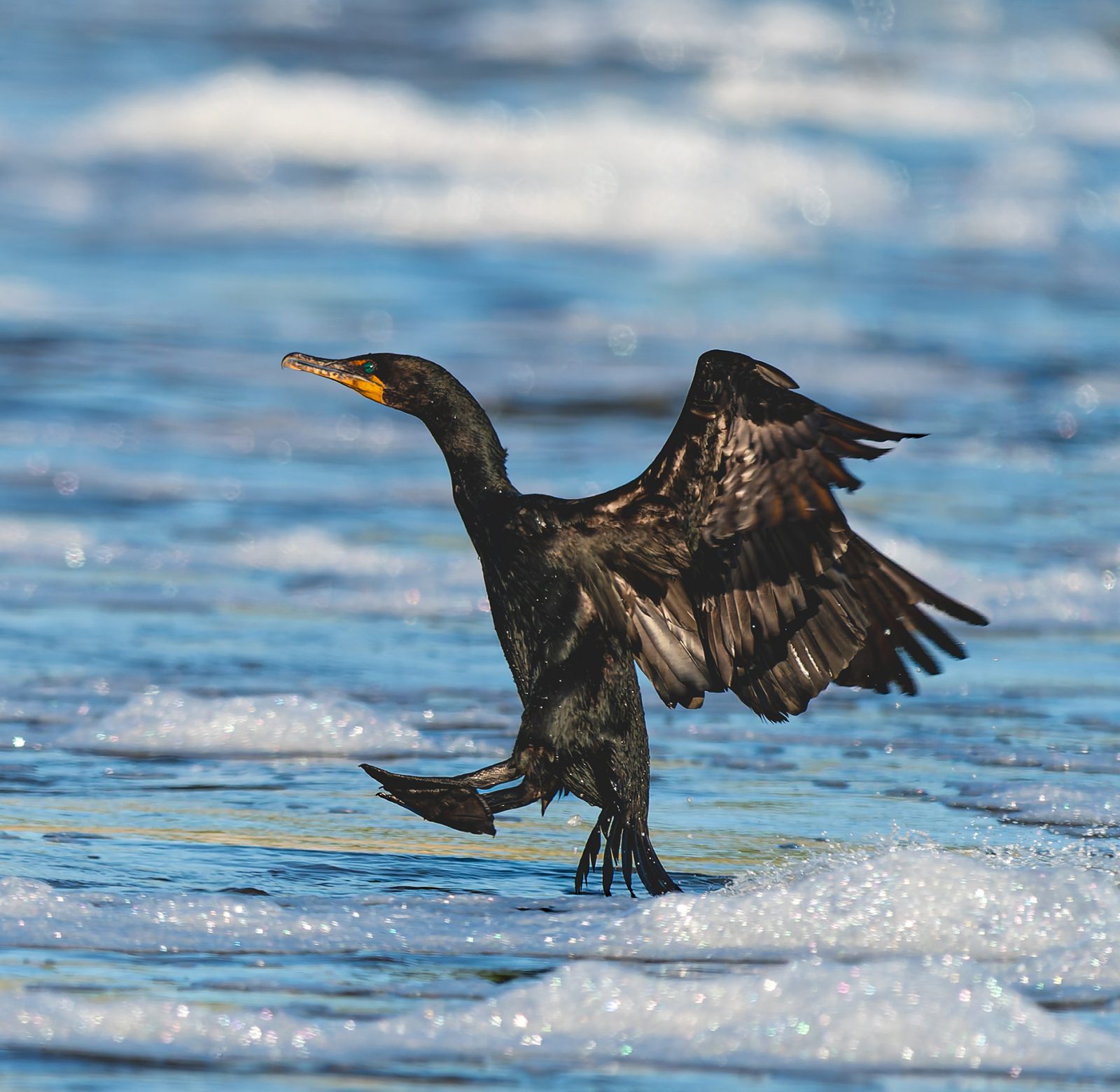
A cormorant at rest has a pose all its own, perched on a rock or a dead snag with its wings held out to dry. Unlike ducks, cormorants do not have fully waterproof feathers, which helps them dive but means they have to dry out after fishing. Up close, the glossy black plumage has a bronze sheen, and the bare skin of the face is a vivid orange.
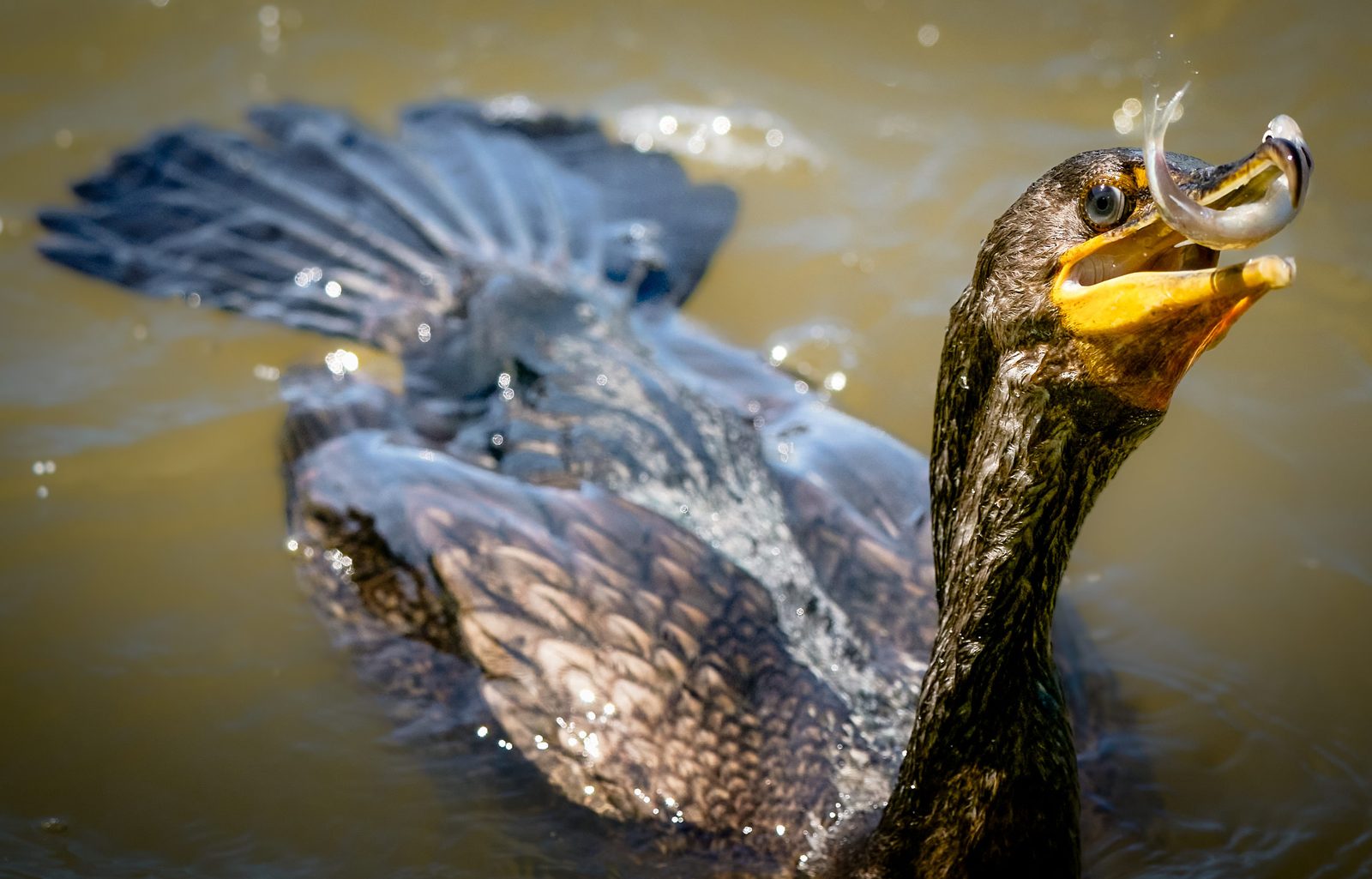
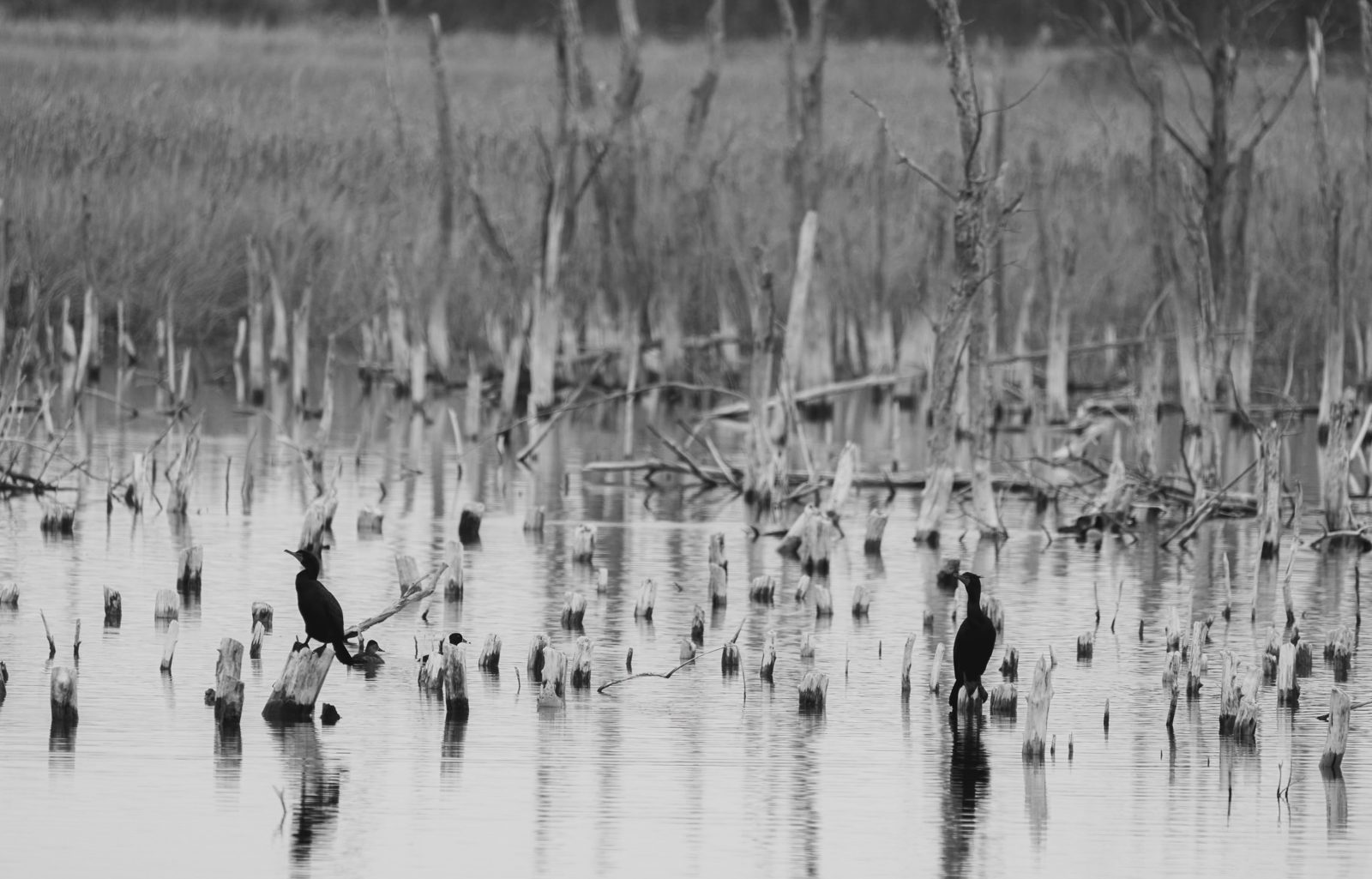
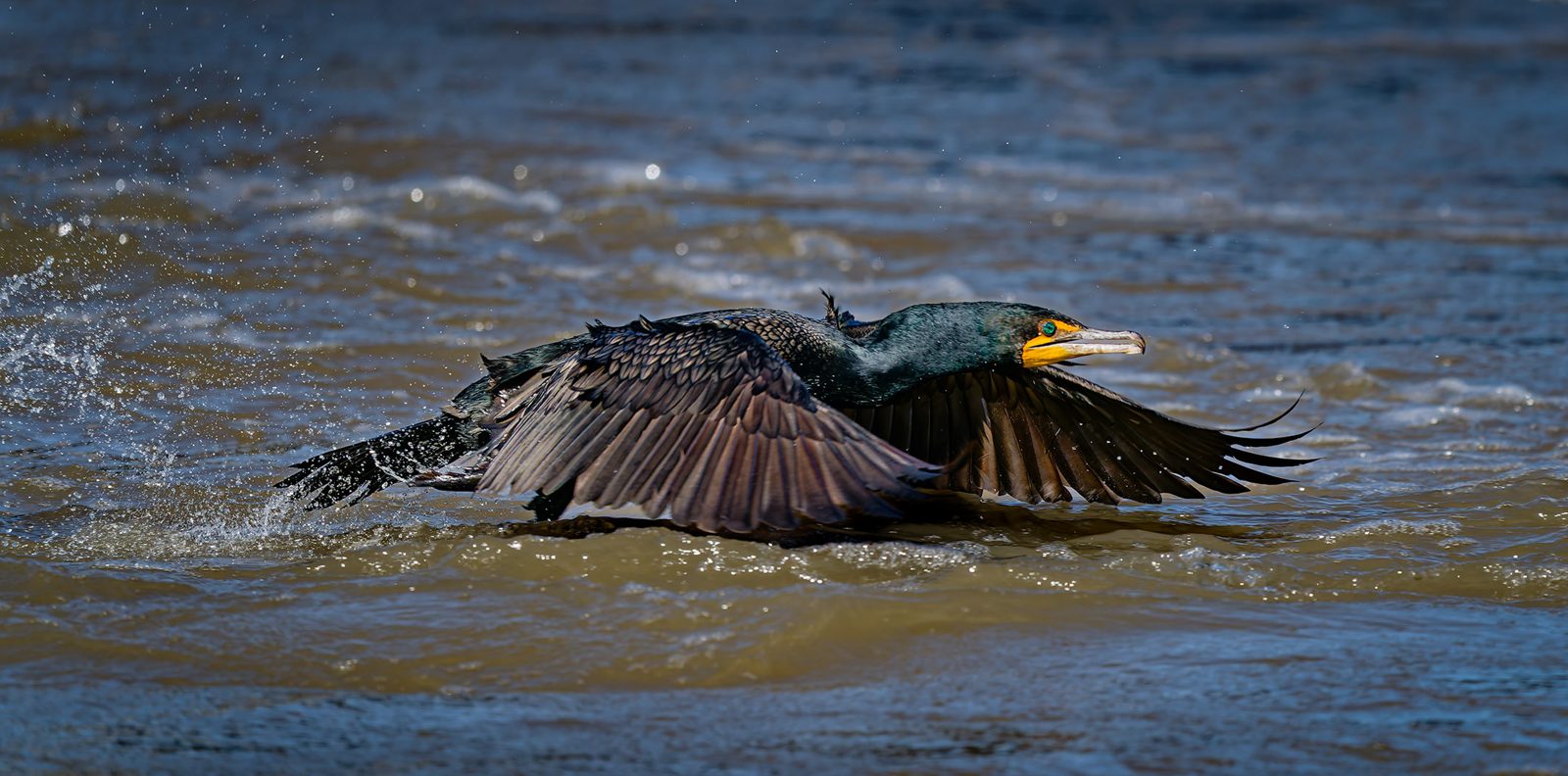
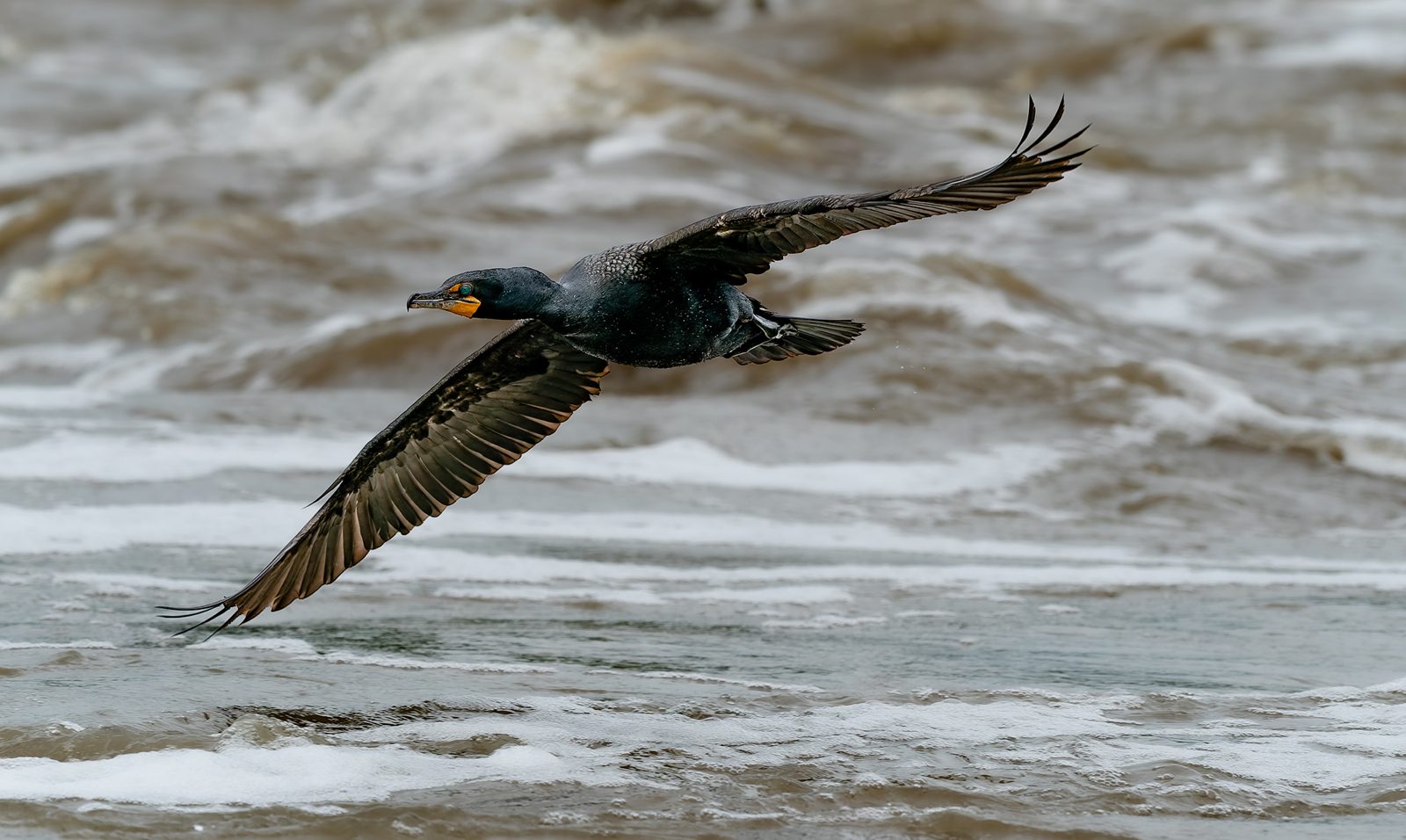
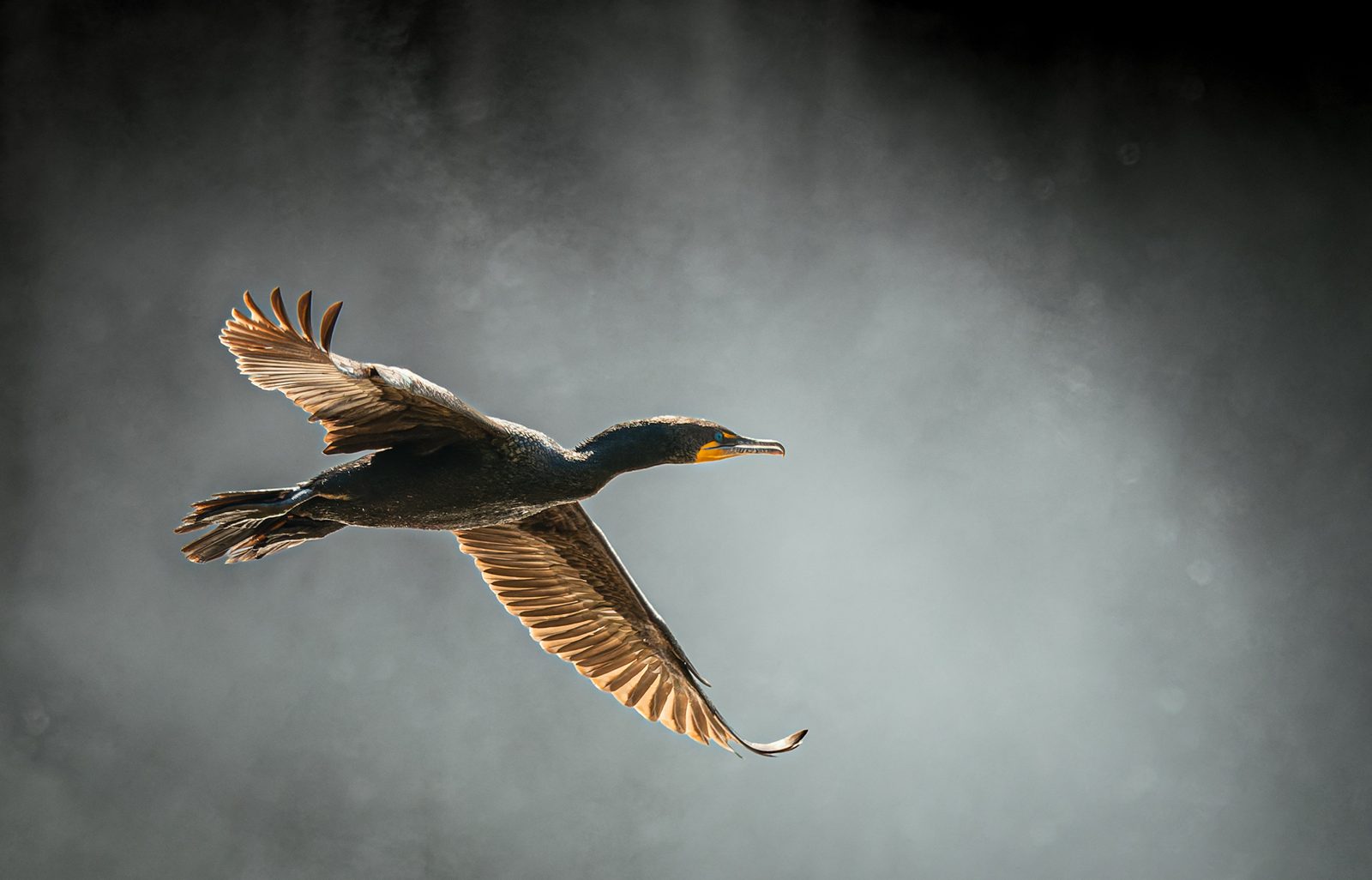
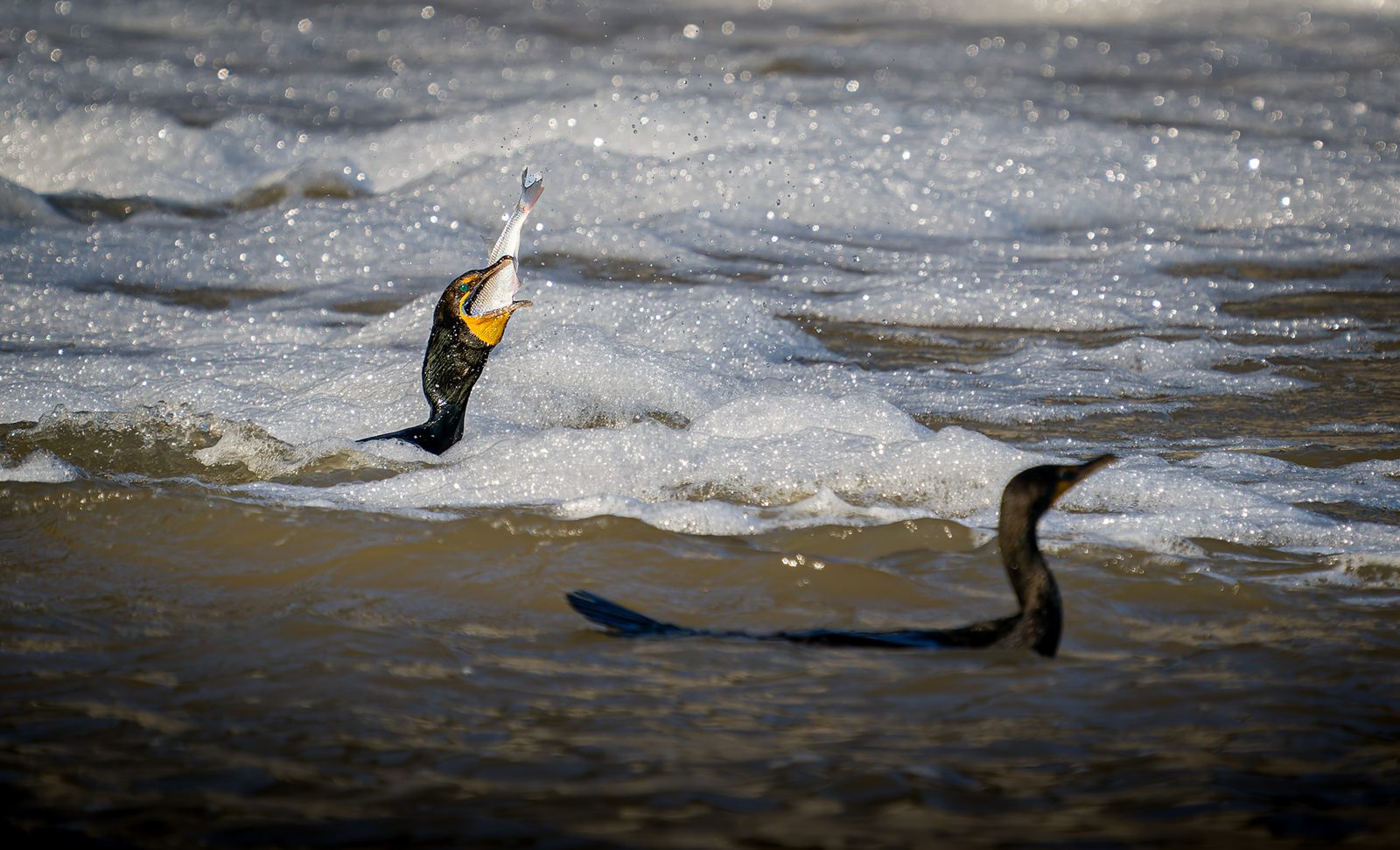
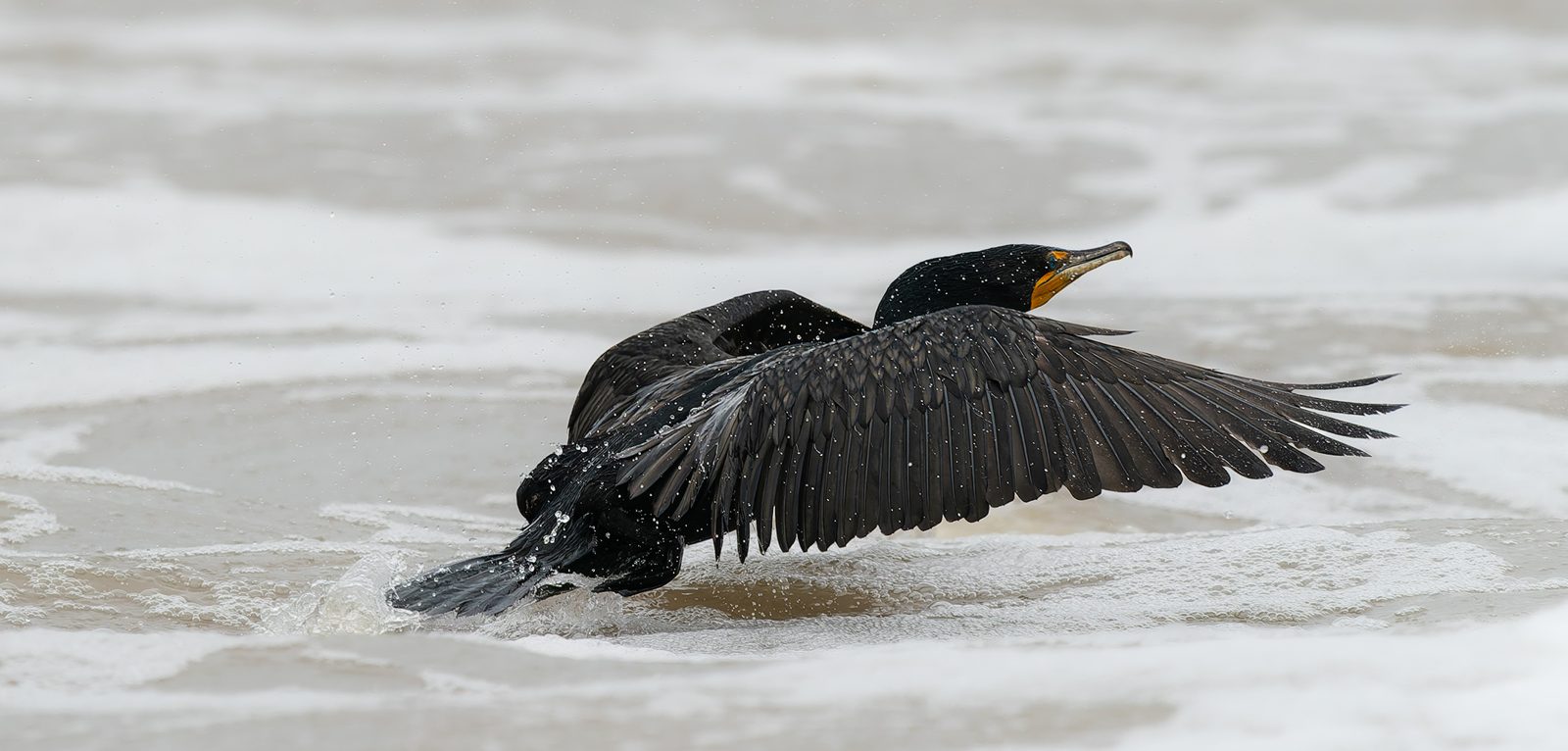
They are skilled underwater hunters, chasing fish with strong swimming strokes and a hooked bill. Cormorants nest in colonies, in trees or on the ground on islands, and they return to Manitoba lakes in April. They are strong fliers, travelling in V-shaped lines. In late fall they leave for the southern United States and the coasts.
Here are some of my favourite frames of this bird.
Photos
Back to Manitoba bird photography, or see the portfolio.