
Red-winged blackbird
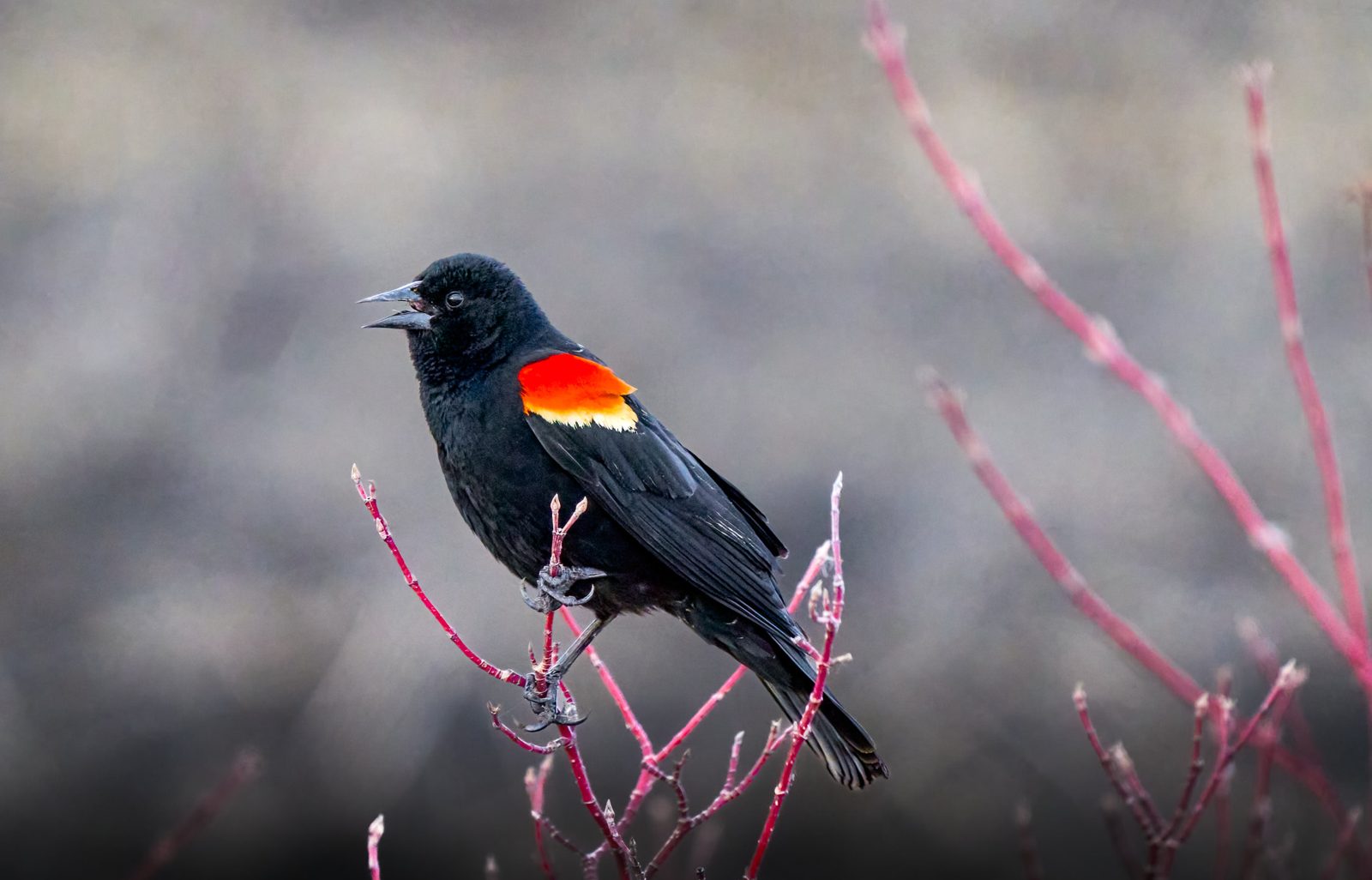
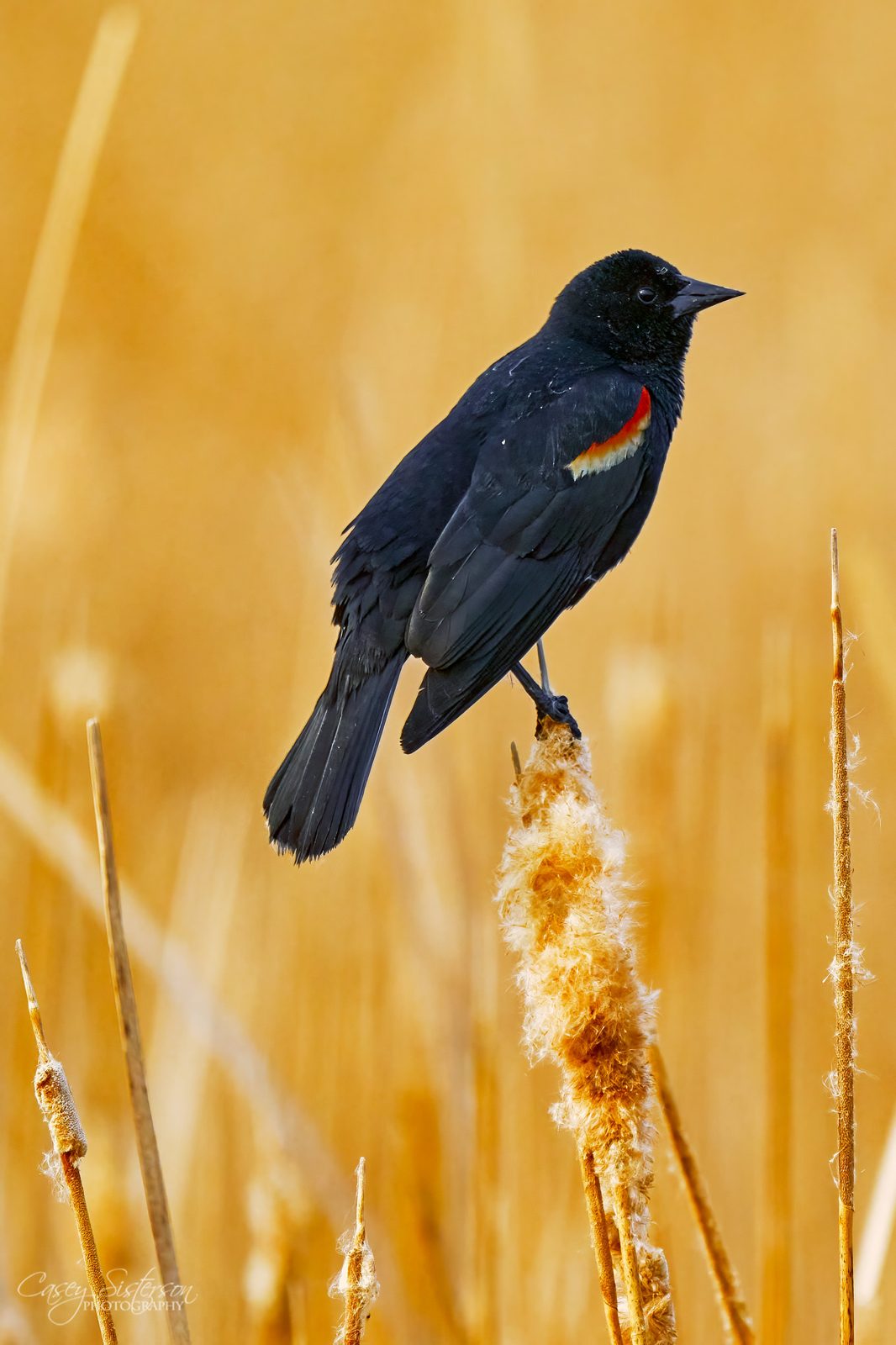
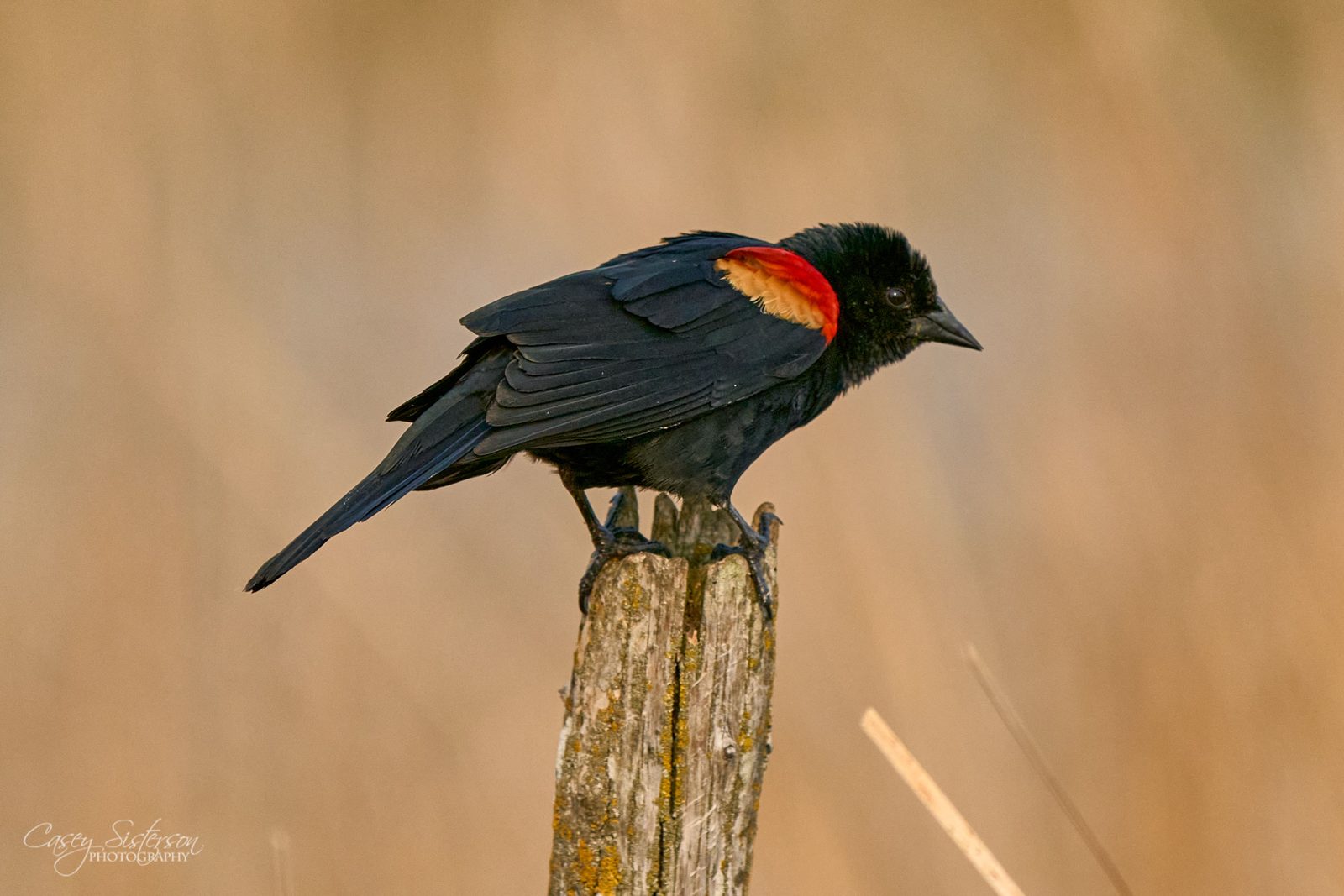
The red-winged blackbird is one of the first true signs of spring on the prairies. Perched on a cattail or a bare twig, the male flashes a bright red-and-yellow shoulder patch and sings loudly across the marsh. Among the first migrants back to Manitoba wetlands, the male perches on cattails and fence posts to flash bright red and yellow shoulder patches. His loud, gurgling conk-la-ree can be heard from late March or early April.
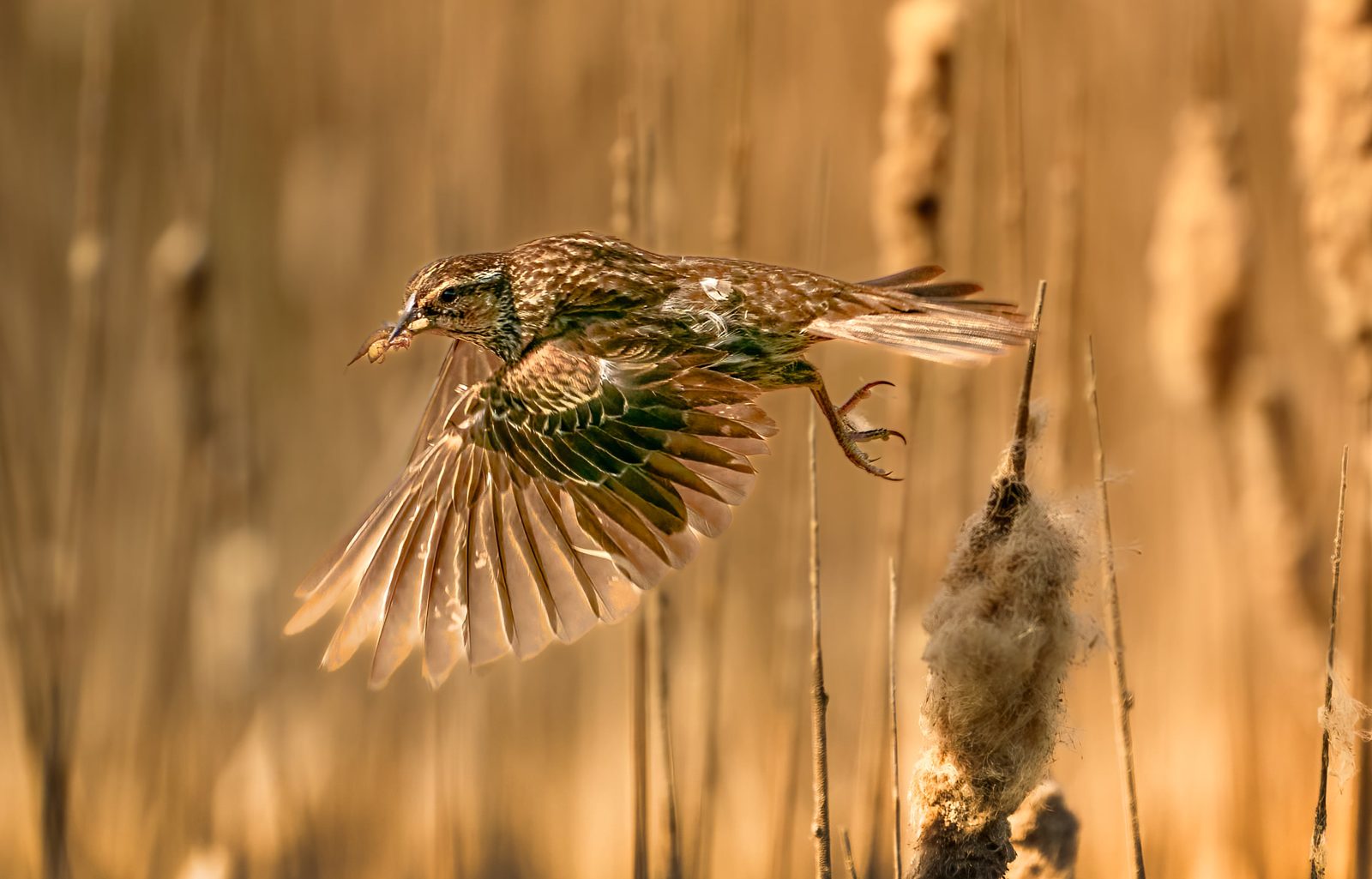
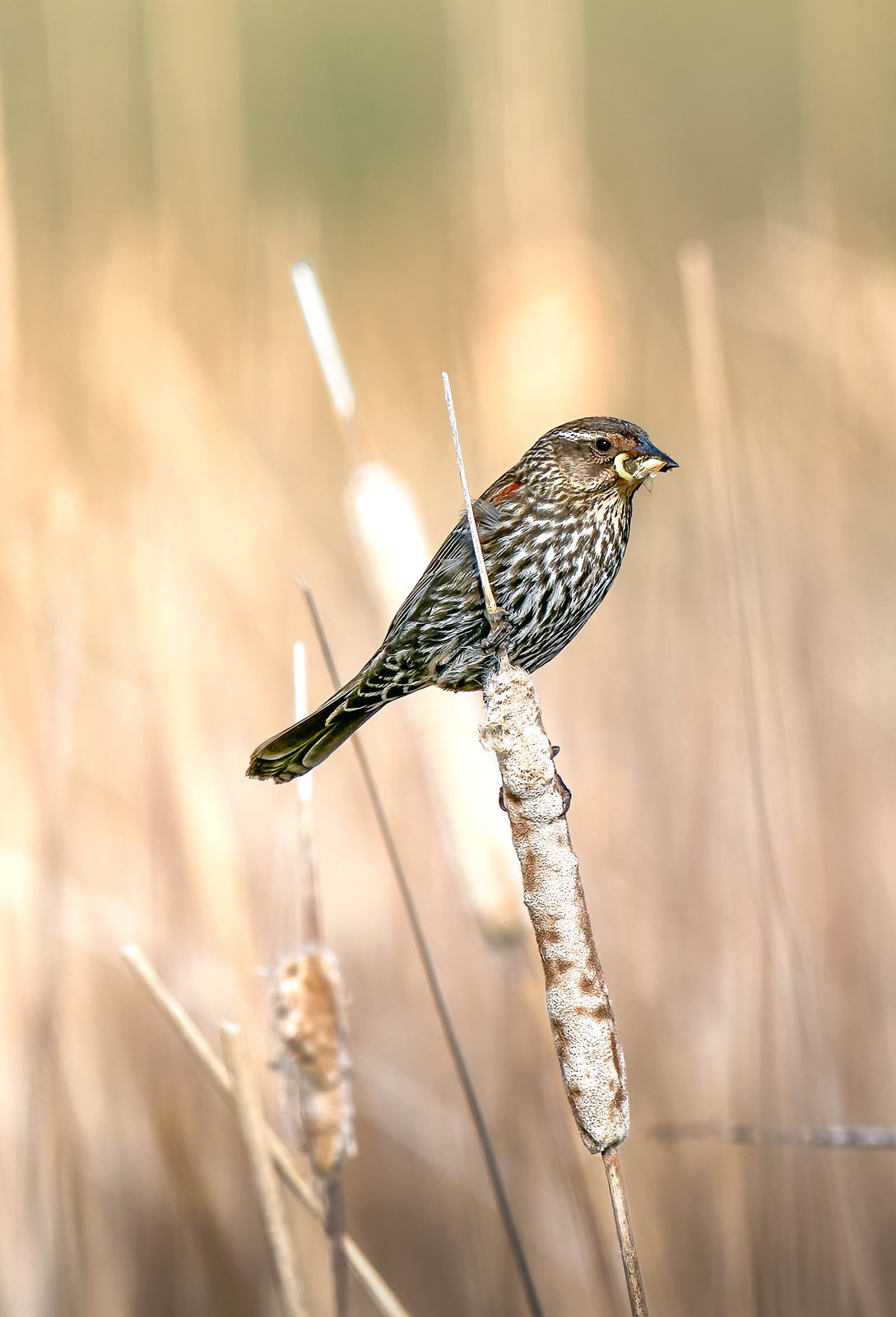
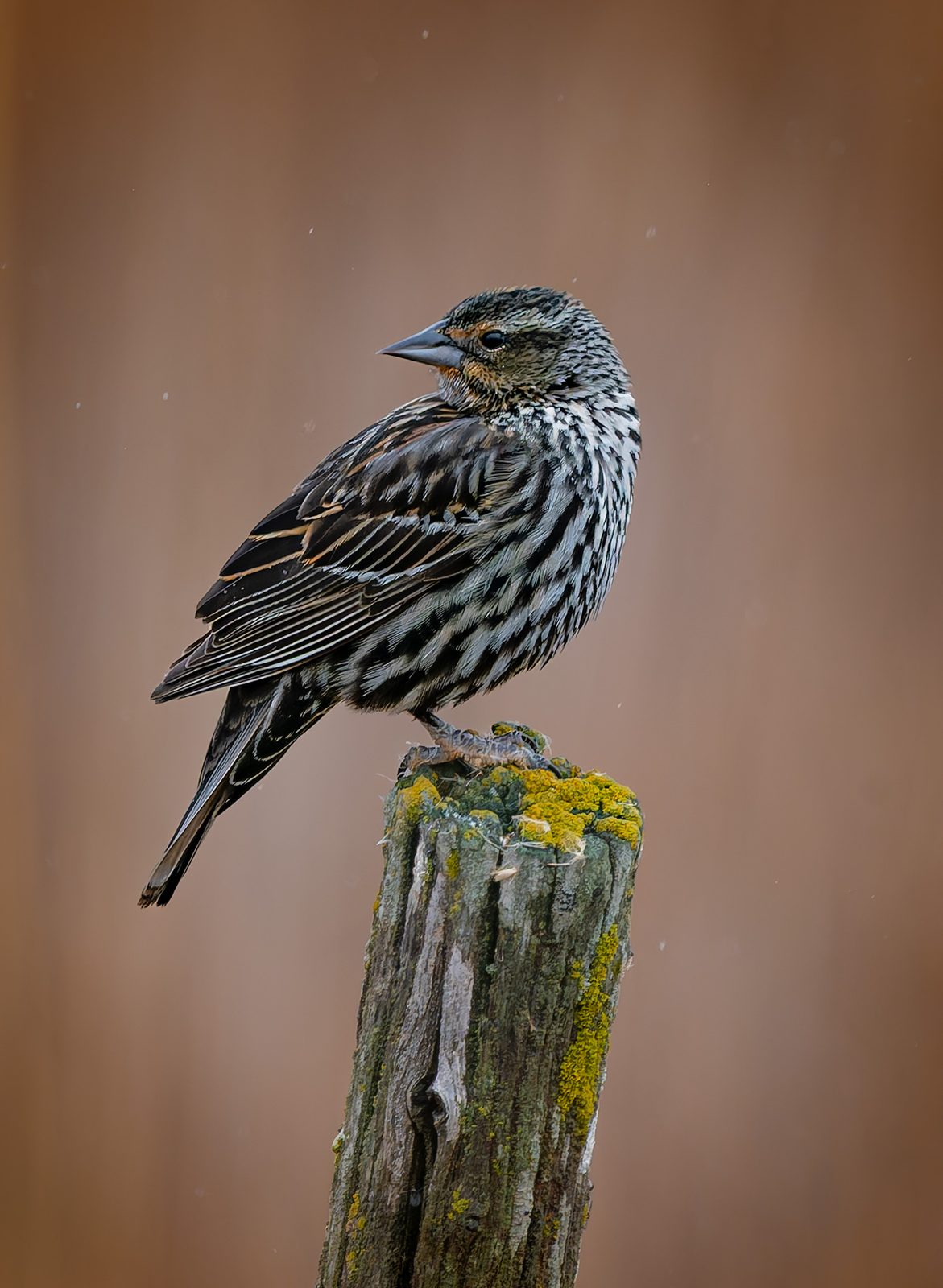
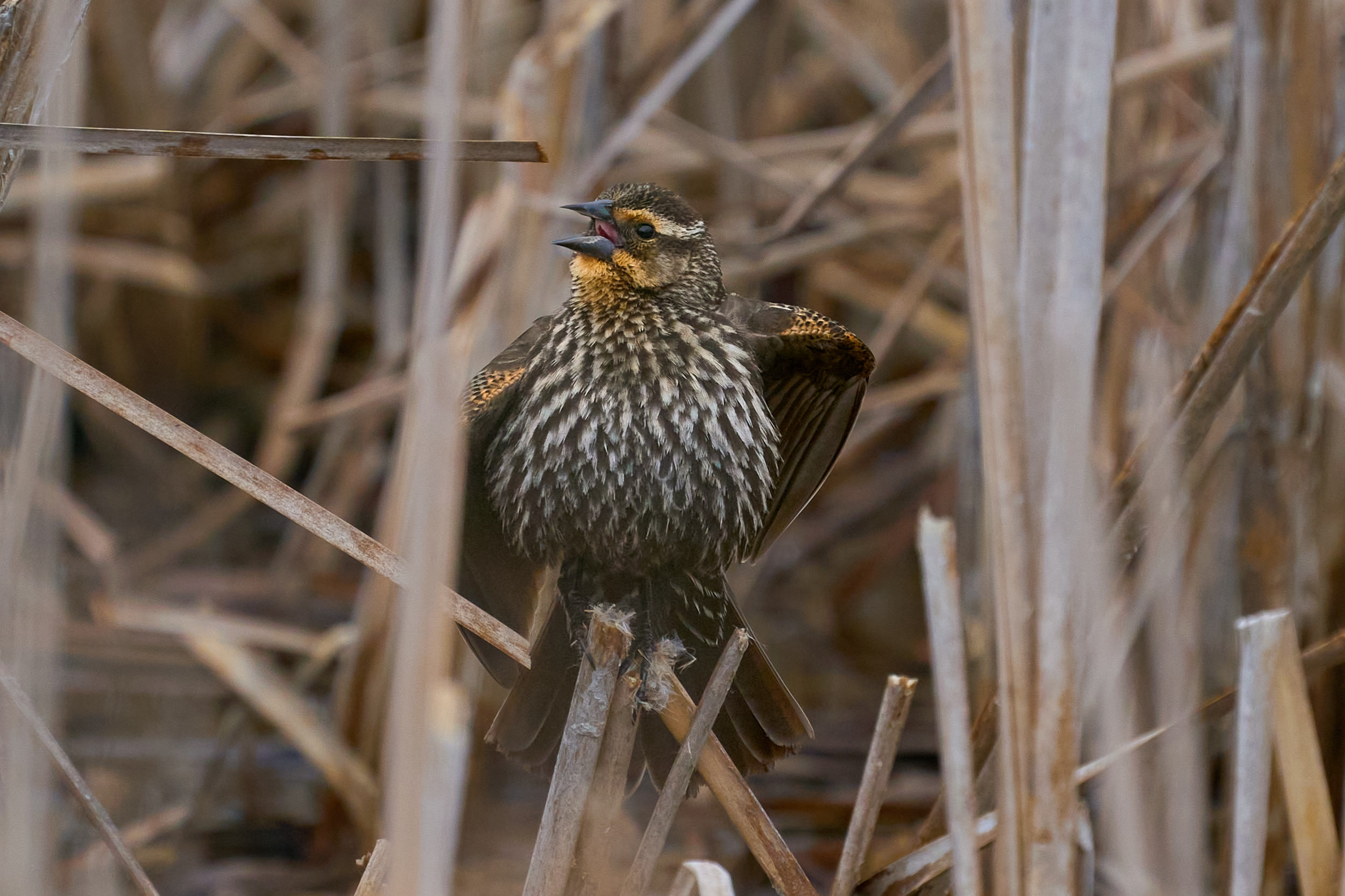
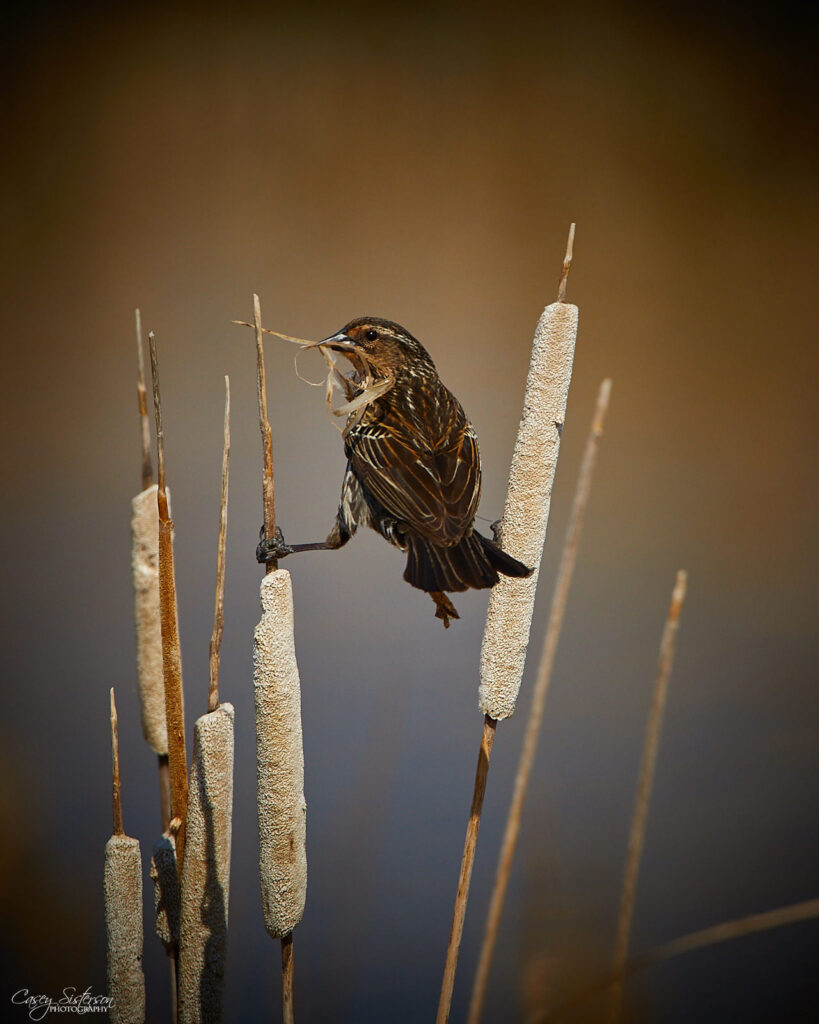
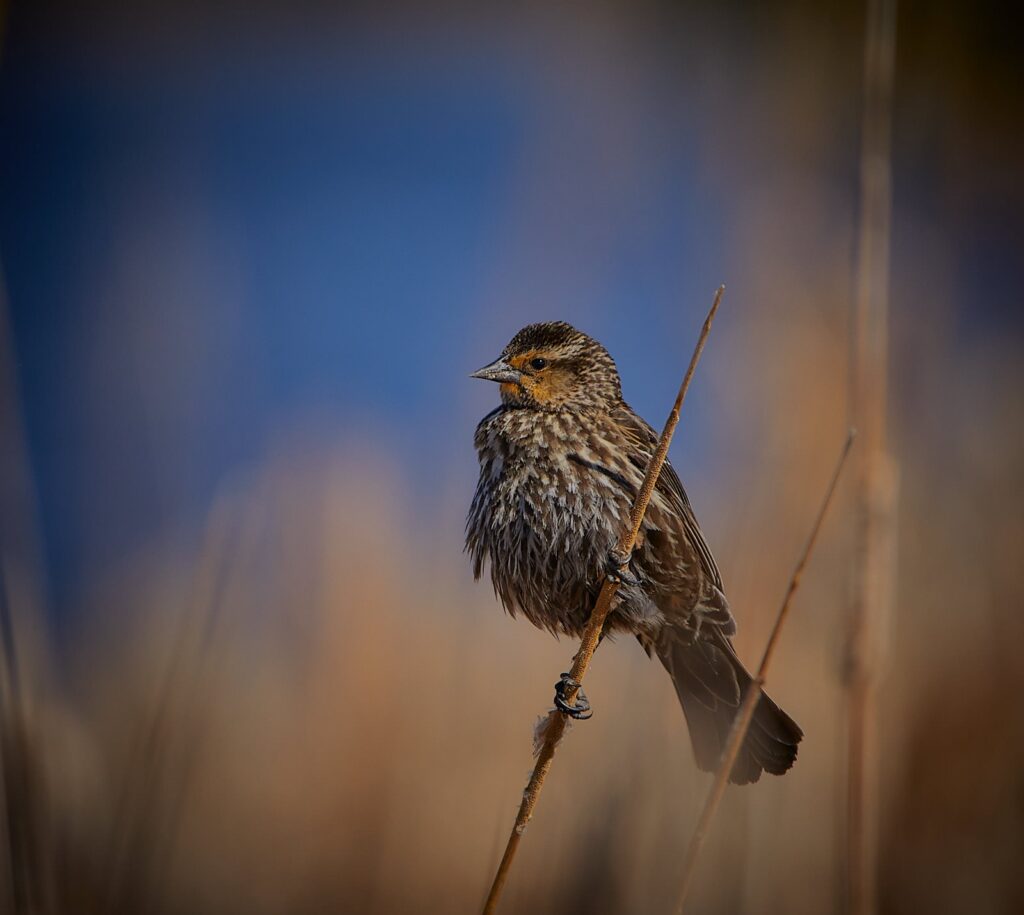
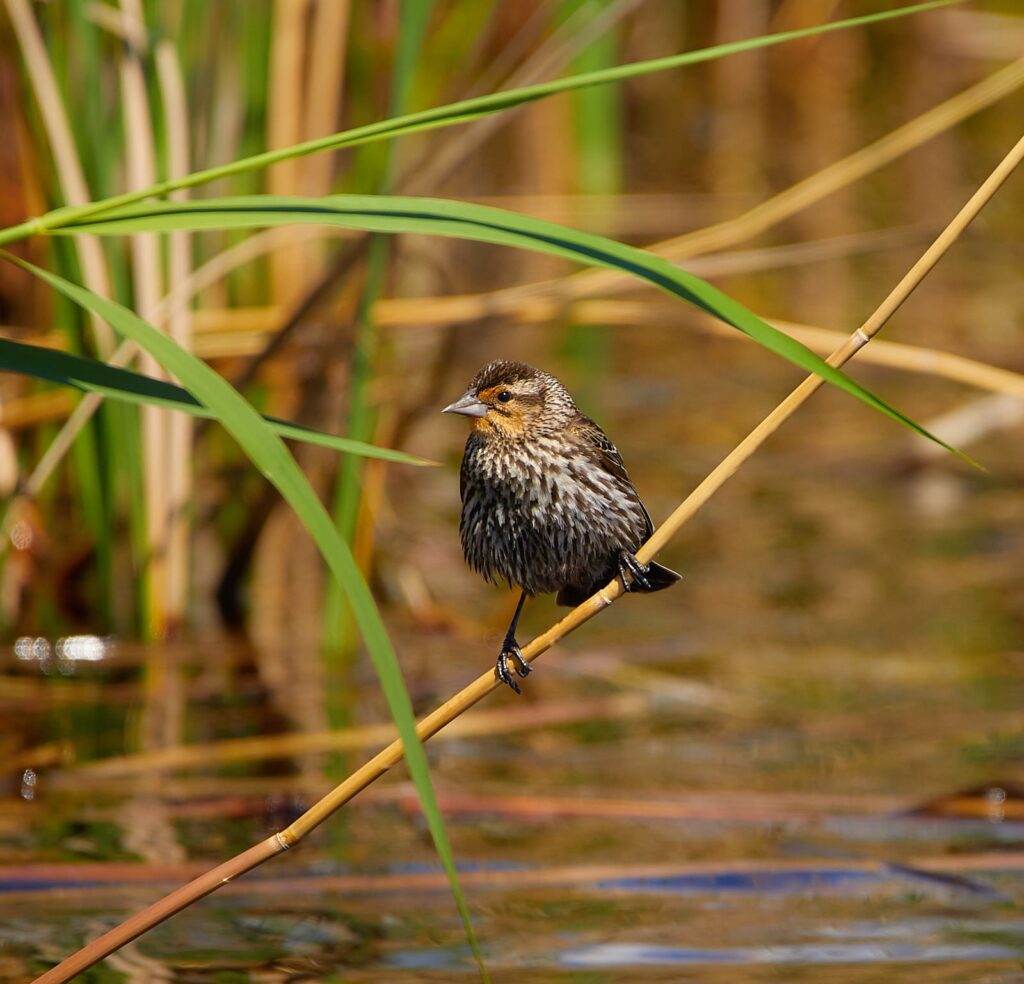
Males arrive early, claim a patch of wetland, and defend it with song, displays, and plenty of noise. Females are streaky brown and much quieter, and they build their nests low in the cattails. The red patch is hidden when the bird is relaxed and flares when he is calling or challenging a rival. Females are streaky brown and look more like a large sparrow, and a single male may defend a territory shared by several nests.
Curious about the red-winged blackbird and its habitat? Learn more on its page at All About Birds.
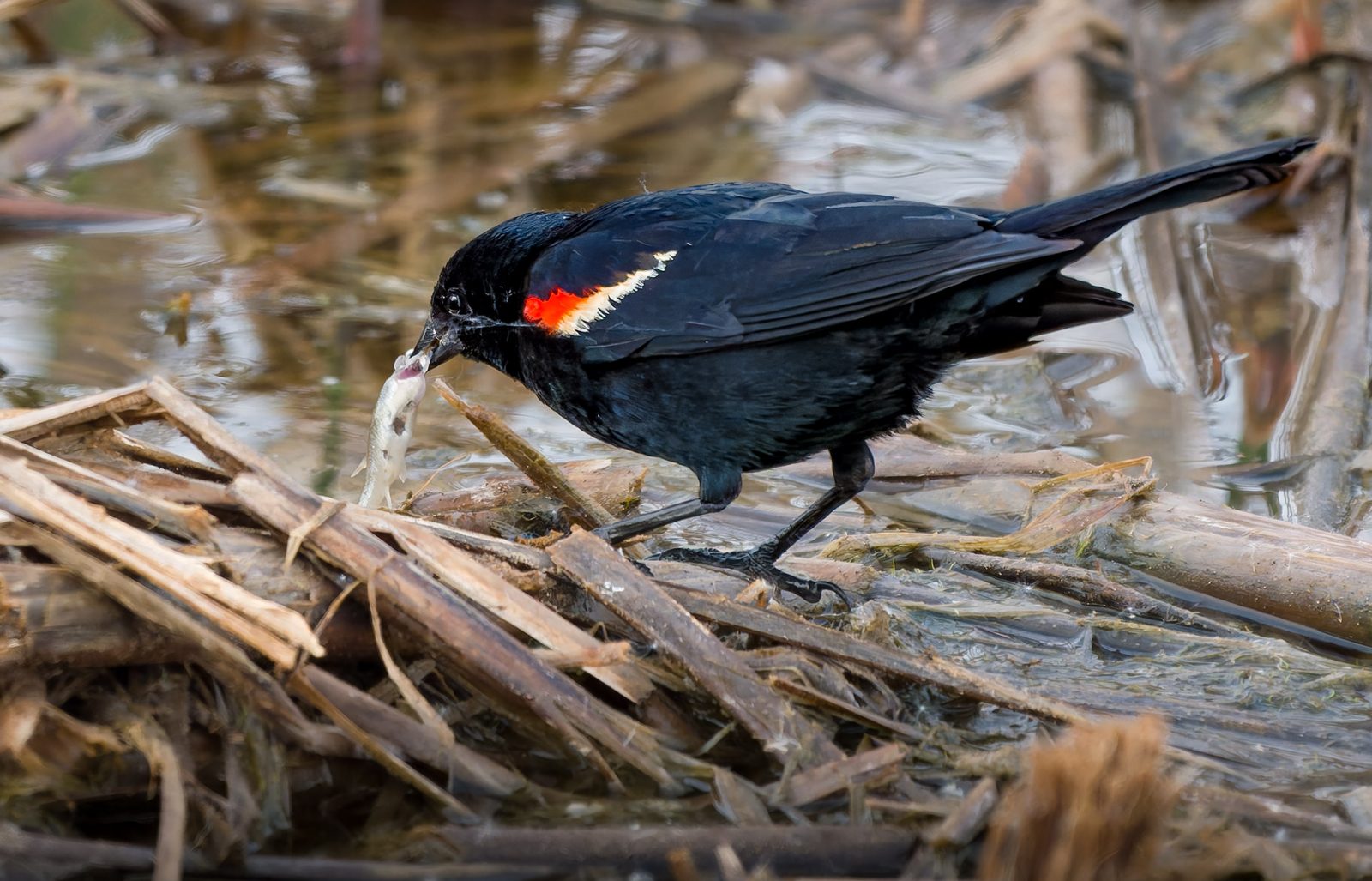
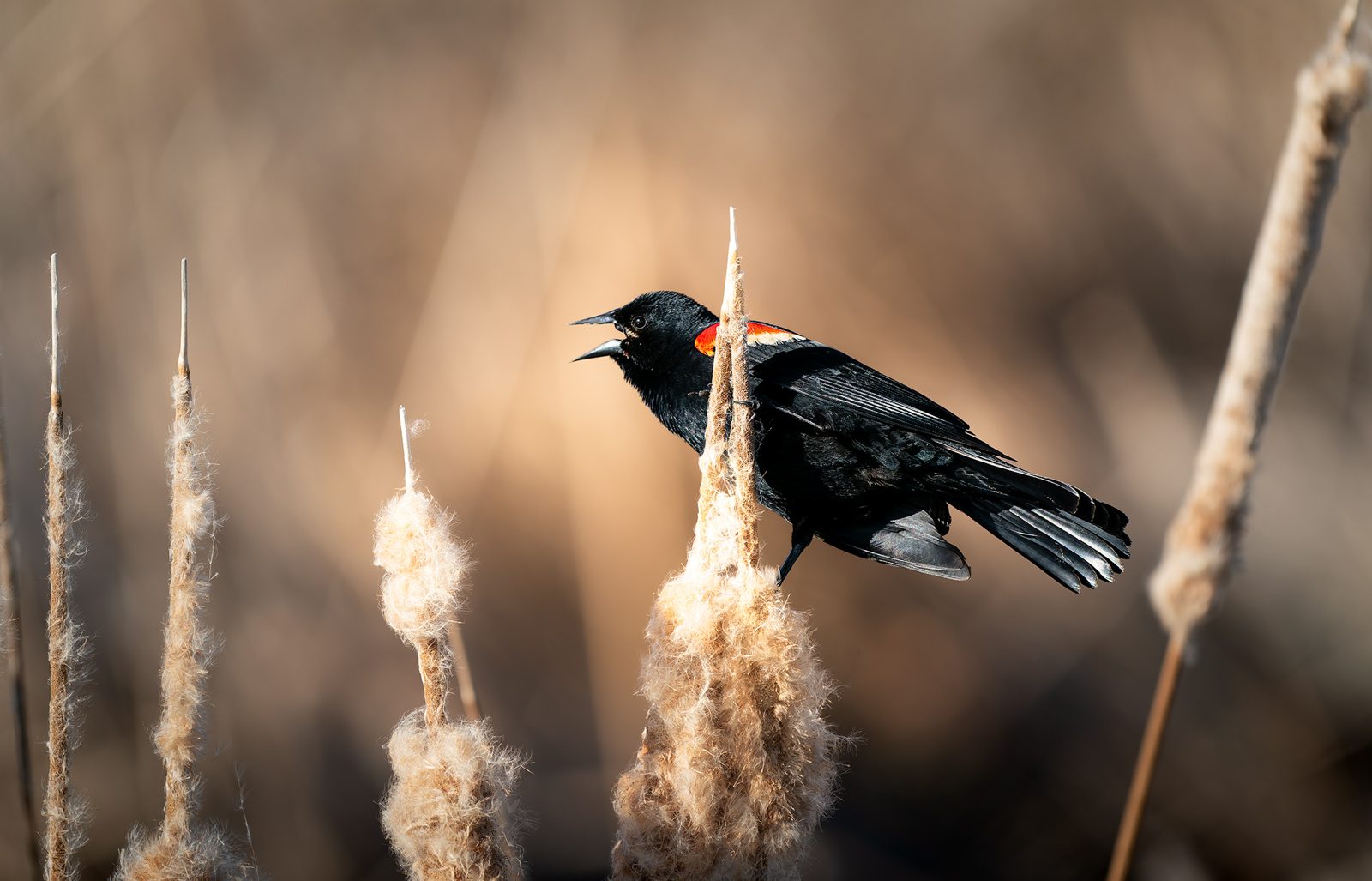
Here are some of my favourite frames of the male red-winged blackbird, on twigs, cattails, and the edge of the marsh.
Field notes in photographs
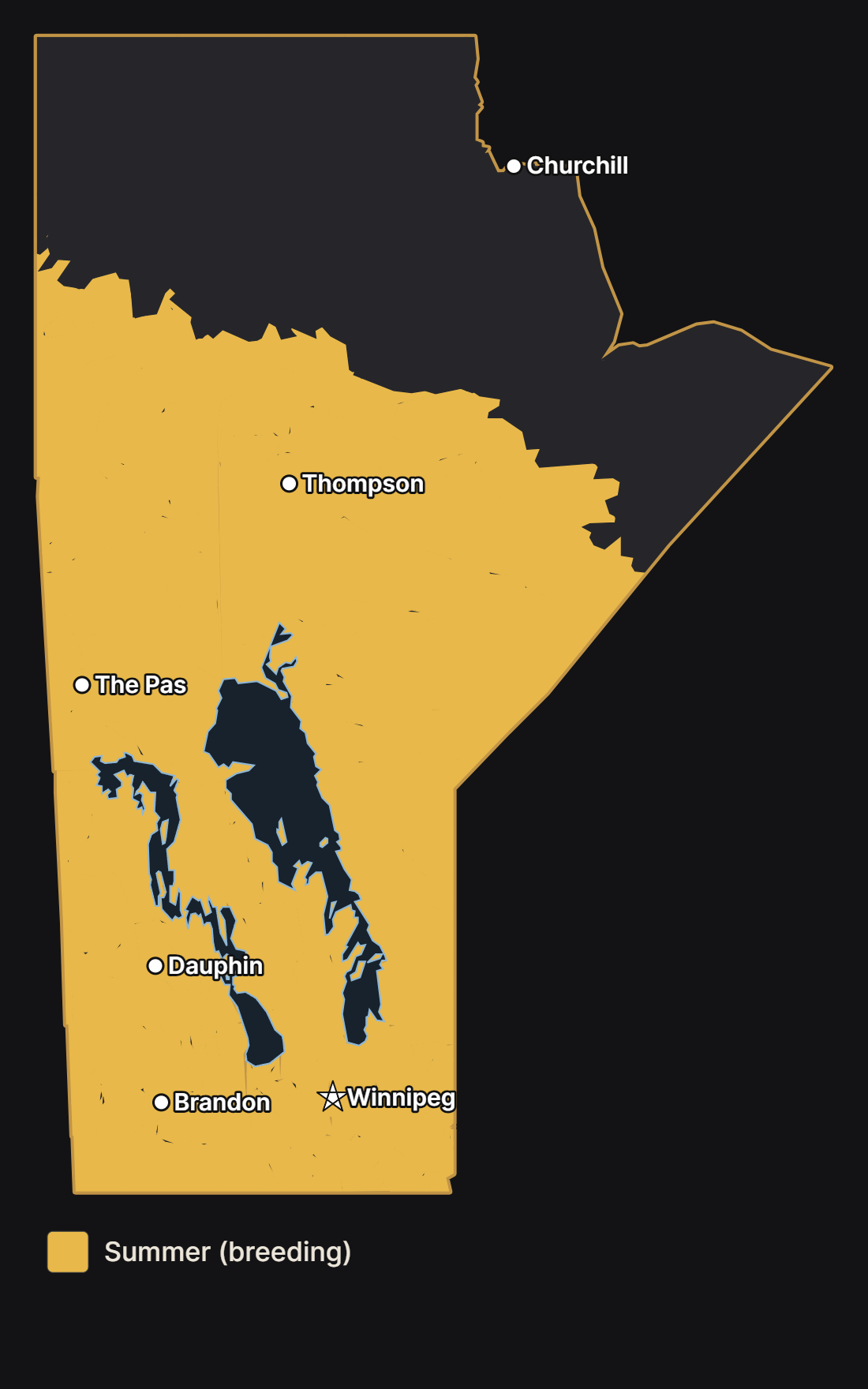
Red-winged blackbird Manitoba sightings
Where and when you can find the red-winged blackbird in Manitoba depends on the season and the habitat. You can see more species in the Manitoba birds section.
Back to Manitoba bird photography, or see the portfolio.